
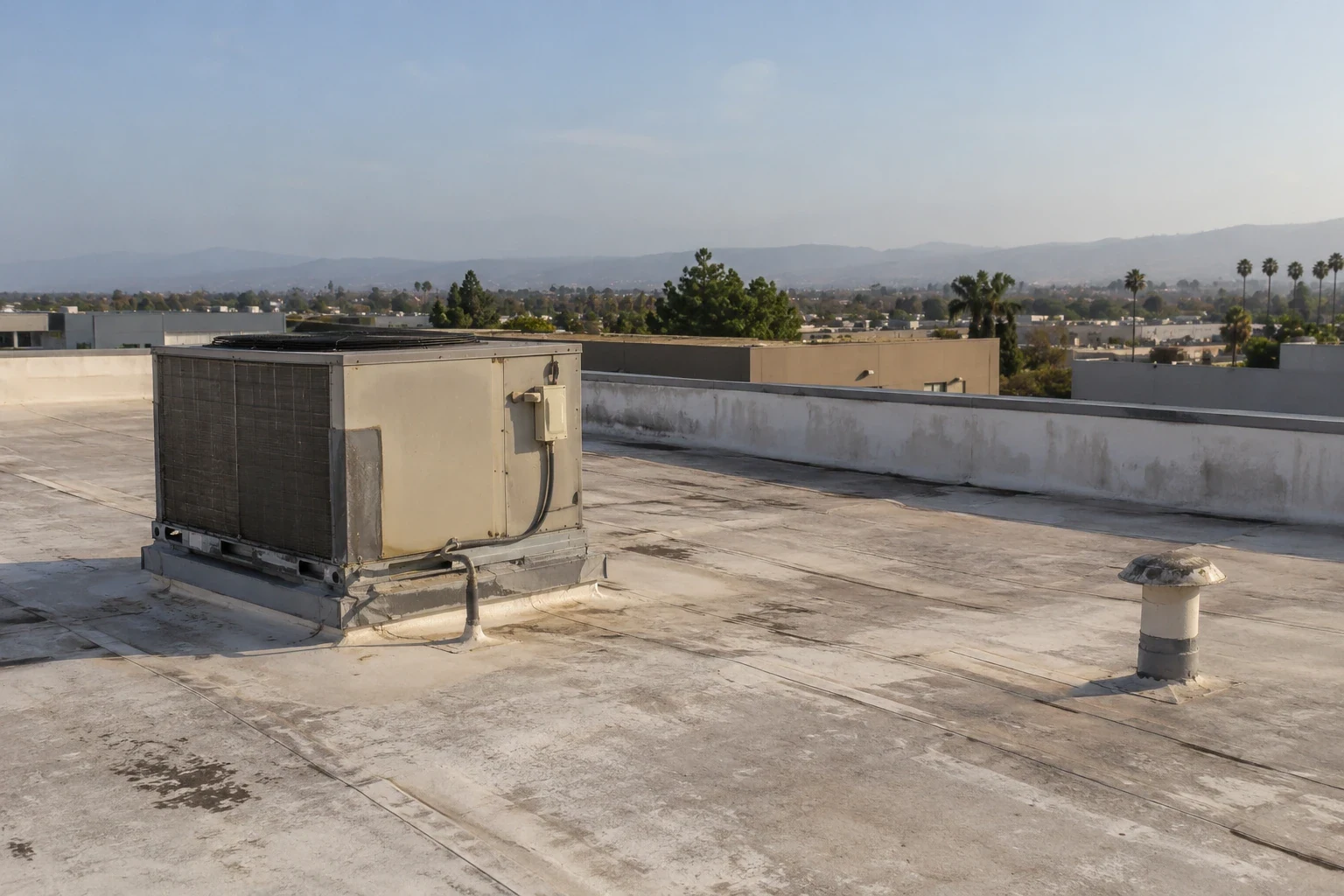
Roofing Capabilities · Garden Grove, CA
Multi-Site Commercial Roof Programs in Garden Grove, CA
Multi-Site Commercial Roof Programs
Coordinate Garden Grove roof work across properties with shared records, site-specific scopes, repair priorities, approvals, and scheduled follow-up.
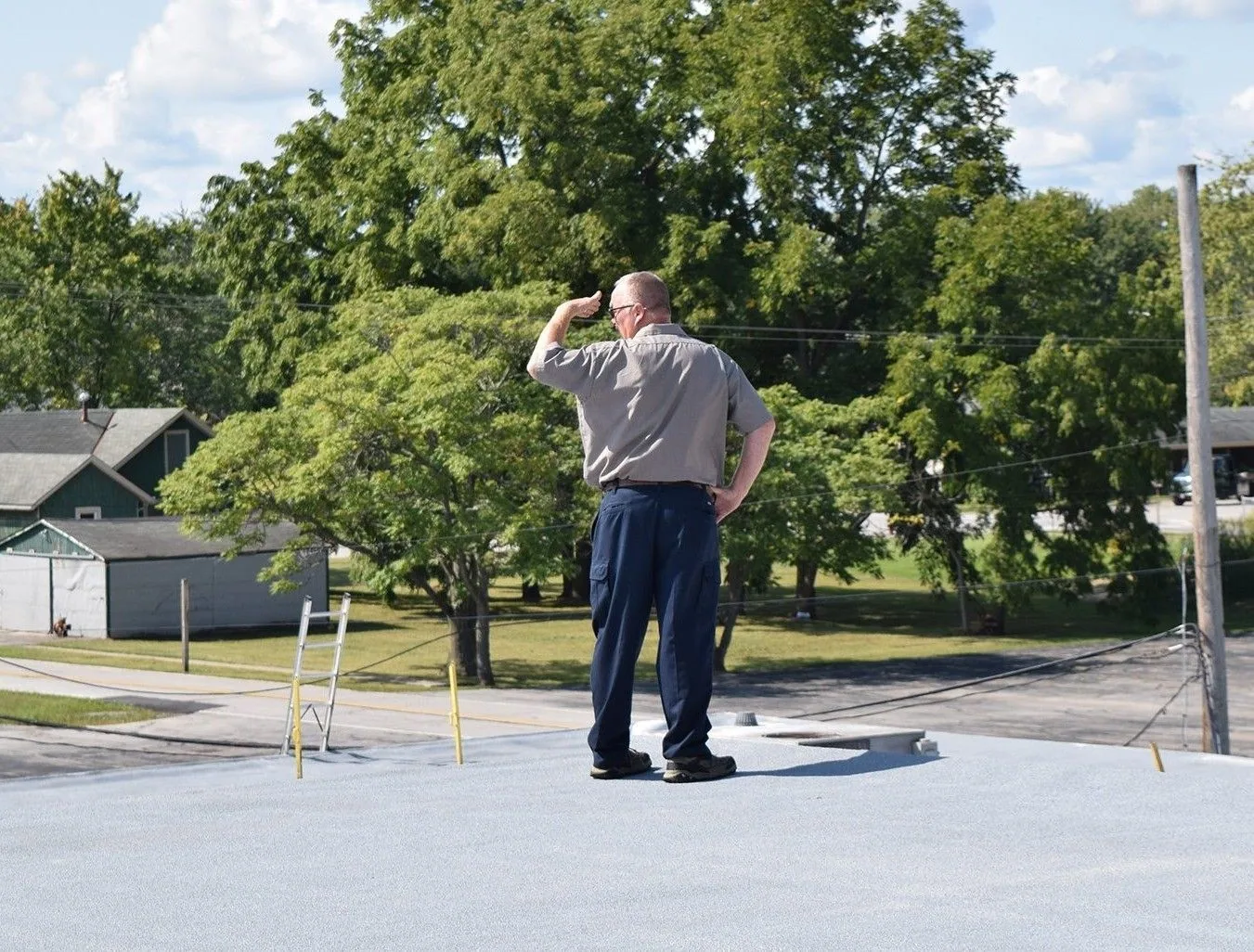
An open lap at one building and a blocked drain at another can enter the same work queue, but the roof zones, condition records, and repair boundaries stay separate. We begin by mapping each property and matching the current plans and service history to its inspection date. The shared process can standardize inspection fields, photo labels, approval status, and closeout records. The roof system, access, tenant use, and visible condition still belong to each site. We begin by mapping the buildings and current records, then identify which locations need a fresh inspection before work is compared or prioritized.
Some properties may have current reports and known repair scopes; others may rely on old plans or incomplete maintenance files. A program should make that difference visible. Record the inspection date, report origin, roof zone, condition, access limit, recommendation, and next decision for each building. If the data is incomplete, mark what remains unconfirmed and assign the next review instead of carrying one property’s assumptions into the rest of the portfolio.
Commercial corridors and industrial properties both contribute to Garden Grove’s building mix. Whether a site is in the Garden Grove Industrial District or along the Harbor Boulevard Corridor, the program can coordinate reporting while keeping its inspection and scope tied to that property.
Build a Comparable Record for Each Property
Start with a site list, roof plan, known system, installation and repair history, warranties, leak reports, equipment changes, access requirements, and owner contacts. Divide each building into roof zones that an inspector and facility manager can identify. For every visit, record date, purpose, areas reached, observed condition, photo reference, uncertainty, and follow-up. If a section is blocked, unsafe, or concealed, document the limitation instead of leaving it out of the record.
A shared scoring method can help teams sort repairs, but it should have stated criteria and rely on current inspection notes. Active water entry, open roof details, repeated repairs, site operations, and unresolved testing may influence priority. A high score should not imply a confirmed failure date or a measured condition when a property was not inspected. Keep photographs and inspection notes with the individual property, and identify each decision that needs owner approval.
A roof condition report can support the site-level baseline. When information is out of date or a new leak is reported, a commercial roof inspection can refresh that property’s record.
Separate Group Standards From Site Scope
A portfolio can use common requirements for reporting, safety, access coordination, and closeout while allowing each roof scope to reflect its actual assembly. Before authorizing work, identify building, roof zone, material, repair boundary, access, protection, vendor interfaces, exclusions, and the person who can approve a change. If concealed conditions may alter the scope, state how they will be documented and reviewed at that location.
Use a work list that separates temporary protection, permanent repairs, planned replacement, inspections, and deferred items. A single work order can cover a coordinated schedule, but keep quantities, photos, costs, and completion status traceable by property. If a test opening at one site changes its recommendation, do not apply that finding to a second building without inspection. This makes a common program easier to manage and the actual work easier to verify.
For asset records, roof asset management can track property histories. A roof capital plan can organize the timing of documented scopes across budget cycles.
Compare Repair and Replacement With Site-Level Assumptions
Repair, coating, recover, and replacement options depend on the roof’s condition, not the program framework. A repair can address an isolated defect where a compatible tie-in is available. A coating requires an acceptable substrate and preparation. A recover changes height and drainage transitions. Replacement may expose concealed layers but requires removal and protection planning. The program should record what each alternative would include at each property and which assumption could change the price.
Where several roofs appear similar, group inspections or procurement only after confirming that the buildings share relevant system details and access conditions. A manufacturer or installer requirement may differ by roof type. If one site needs a test cut, another has rooftop vendor conflicts, and a third remains uninspected, show those distinctions in the recommendation. Portfolio savings or timing should be tied to a defined scope and actual access plan rather than assumed uniformity.
Garden Grove’s building-code framework uses state standards with local amendments. Confirm permit and plan-review needs with city officials for each project before scheduling crews. A roof warranty record can be reviewed when planned work affects an installed system.
Coordinate Owners, Property Managers, and Field Teams
For each property, list the person who grants access, the person who reviews the scope, any tenant contact, and the person authorized to approve changes. Confirm keys, escorts, roof safety procedures, loading routes, staging, equipment shutdowns, and occupied areas before scheduling. A shared calendar can group nearby visits, but the field team still needs a site-specific contact and route. If another vendor must complete work before the roofer, show the dependency in the sequence.
During active projects, provide site-level updates: roof zones completed, protection remaining, vendor work pending, access changes, approval requests, and next date. At closeout, mark each property complete only after its own photos, material record, scope changes, and open conditions are reviewed. A group summary can show status across the program, but it should link back to the record for each building.
The property-management process can support tenant and access coordination. For a corporate portfolio, the investment review can connect site findings with ownership decisions.
Keep the Program Current as Properties Change
After each visit or project, update the building’s inspection date, work scope, material, photos, approval, warranty documents, exclusions, and next action. Preserve earlier records so staff can see how a condition changed. When a tenant installs equipment, a building changes use, a new leak appears, or ownership transfers, review whether the plan and access information remain current. Do not carry a stale repair estimate into the next budget cycle without checking its scope and date.
Program reviews can identify repeated maintenance patterns, missing records, or locations that need a new survey. A portfolio trend can guide the next inspection list; the site walk still establishes the condition at each roof. If a site has active water entry, handle that work through its own approved repair scope and update its record when complete. The shared schedule should preserve that site-specific action rather than hide it in an annual summary.
Garden Grove’s service areas span varied property types, and each roof record should remain tied to its building and inspection.
Commercial Roofing Questions
What belongs in a multi-site roof program?
Include a site inventory, roof-zone maps, current inspection records, work status, approval contacts, access requirements, warranty files, open questions, and next actions. Each property should retain its own inspection notes.
Can one inspection standard be used across all properties?
A common process can standardize data collection, but the inspection scope and repair recommendation should reflect each building’s roof system, access, and condition.
How should priorities be set across a portfolio?
Use stated criteria such as active water entry, documented defects, operating impact, unresolved testing, and owner timing. Do not score an uninspected building as if its condition were confirmed.
Can several roofs be repaired under one project?
one coordinated project or schedule may be possible after sites are inspected. Keep each property’s quantities, access assumptions, repair boundary, approvals, and completion records separate.
How often should a program be updated?
Update after inspections, repairs, equipment changes, leak reports, new building records, and changes in ownership or site access. Recheck estimates and priorities before using them in a later budget cycle.
Coordinate a multi-site roof program
Share the property list, roof plans, inspection dates, active repairs, access contacts, and budget timing. We can identify current evidence, open decisions, and sites that need a new roof review.
Or call 555-555-5555 · [email protected]