
Roof Damage Repair · Garden Grove, CA
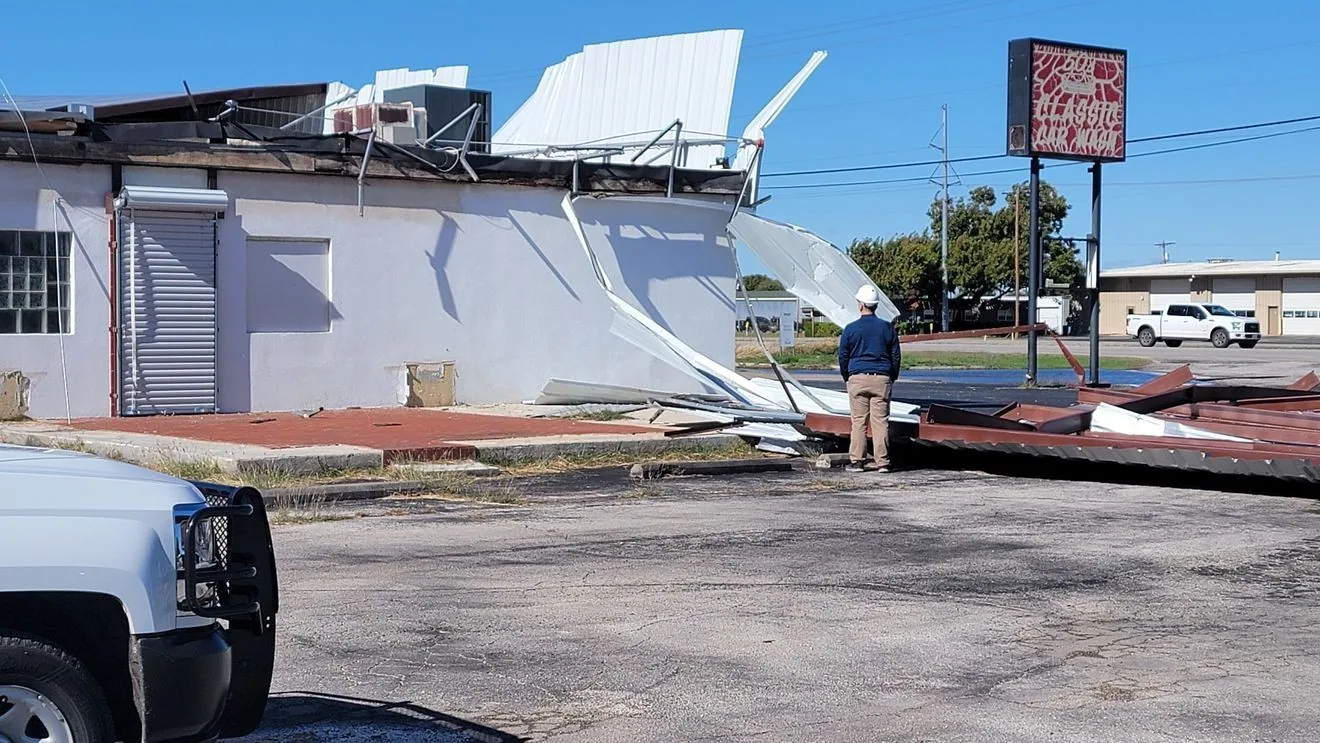
Wind Damage Roof Repair in Garden Grove, CA
Wind Damage Roof Repair
Document wind-related roof conditions in Garden Grove with a roof-zone inspection, temporary protection plan, and repair scope tied to visible evidence.
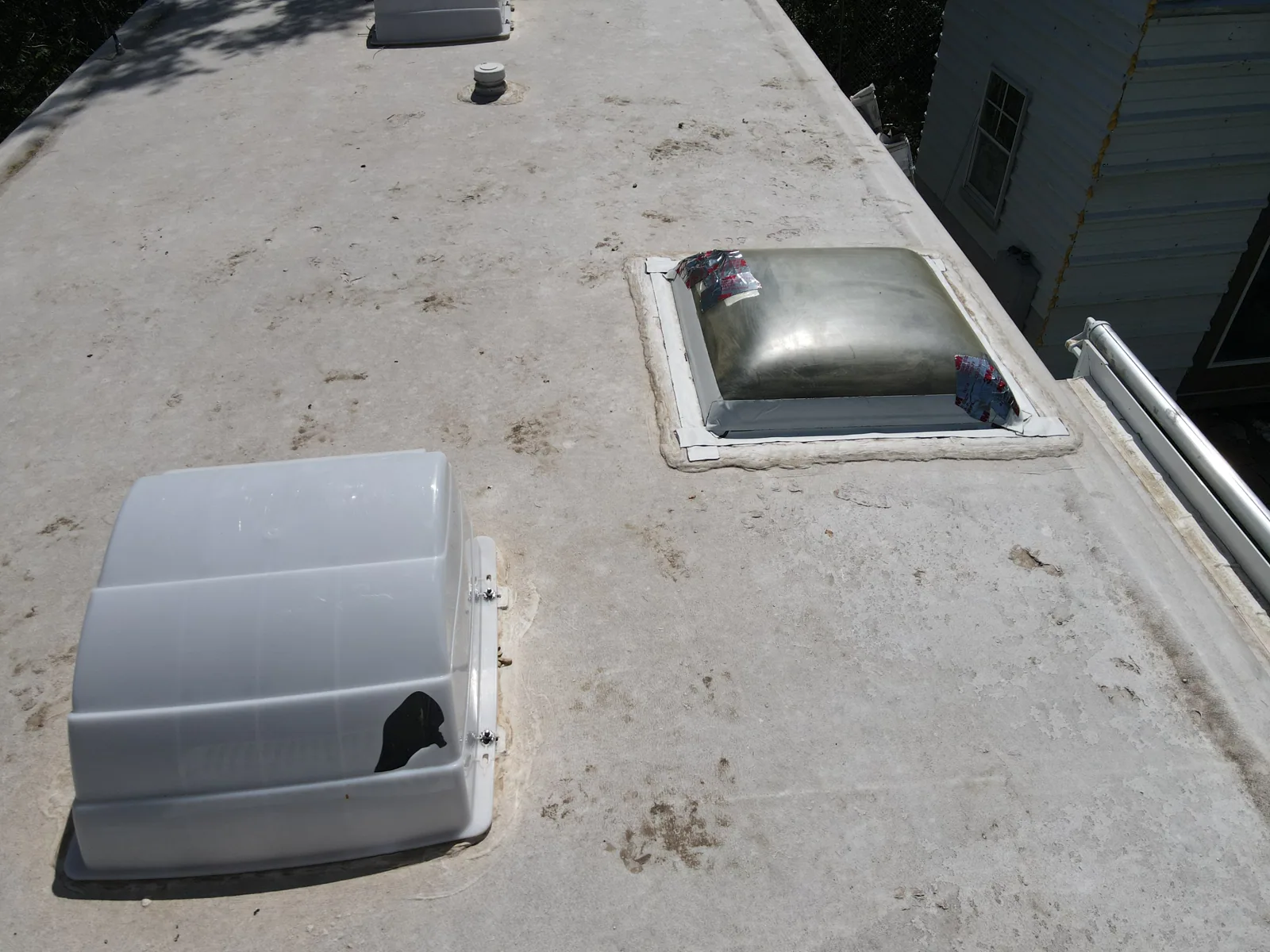
A wind report often reaches the facility before anyone can safely inspect the roof. A lifted edge, displaced coping cap, loose flashing, or debris strike may leave the building exposed, but the visible damage does not show how far the failure extends beneath the surface. We first confirm access and immediate protection, then inspect the affected roof zone and the details that transfer wind load at the perimeter, corners, penetrations, and transitions.
The repair record should distinguish what is displaced, what remains attached, what material was already deteriorated, and which areas could not be checked. That detail matters before a patch is selected. A repair can stop at stable material only when the roof can accept a secure tie-in. If the substrate, deck, or insulation is concealed, the scope should state what testing or opening would resolve the question rather than treating an unseen layer as sound.
Garden Grove’s local hazard plan includes severe weather among risks to city property and infrastructure. Commercial buildings near the Garden Grove Industrial District may have broad roof spans and exposed edge details, but inspection findings at the specific building determine the repair.
Inspect the Edge and Follow the Damage Inward
Before the roof walk, note the reported time, affected rooms, weather, visible material on the ground, and any temporary measures already taken. From a safe access point, check perimeter metal, parapet caps, terminations, fasteners, seams, curbs, drains, skylights, and transitions near the affected area. Photograph each condition with enough context to locate it on the roof plan. Do not pull at material that may still be attached or cross an unsafe section to reach a more dramatic-looking defect.
Wind-related movement can concentrate at a corner, edge, or loose termination, while the field membrane may remain undisturbed. Inspect adjacent sections for lifted laps, broken fasteners, opened seams, punctures, and evidence of water entry. Record whether the condition is fresh, previously patched, or uncertain. The interior report can guide the route, but water may travel laterally before it appears below; confirm the roof detail before assigning the entry point.
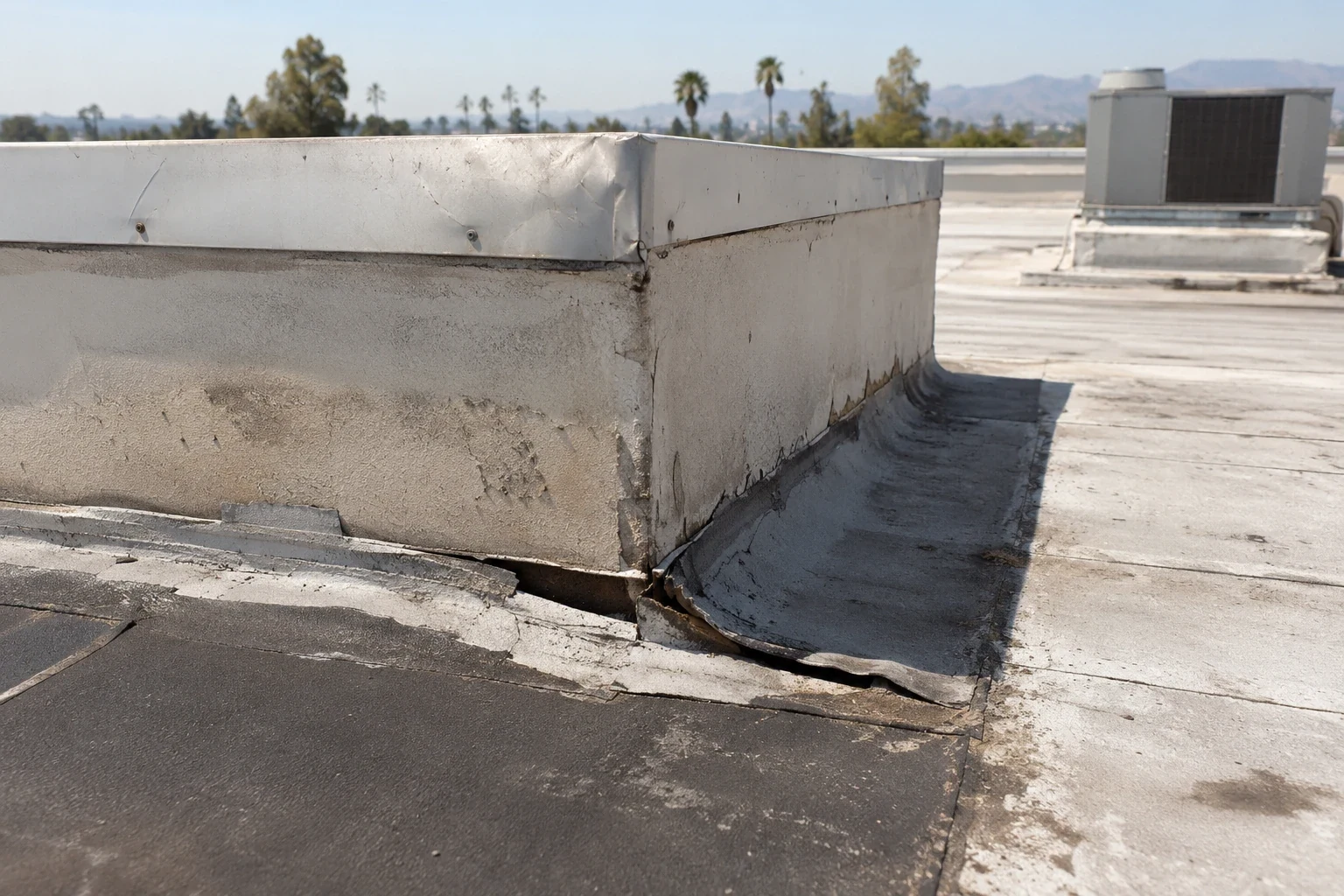
A commercial roof inspection can document the wider assembly. When the visible issue is at a wall or edge transition, flashing failure repair and seam failure repair address those details after the roof walk confirms their condition.
Protect the Opening Before Setting Permanent Work
If water is entering, arrange temporary protection through the authorized property contact and document the material, location, and limits. Keep the temporary response separate from the permanent repair scope. Before removing roofing, confirm whether an owner, insurer, engineer, or another qualified reviewer needs to see the exposed condition. The property team controls that sequence; the contractor should protect the building without discarding evidence needed for a later review.
Once the area is accessible, trace the displaced or damaged material until the crew reaches a stable tie-in. The proposal should identify what will be removed, which layers are included, the repair method, perimeter or penetration details, and what remains contingent on concealed conditions. If deck damage, wet insulation, or a larger separation appears, pause at the agreed boundary, photograph the finding, and request direction before extending the work.
For an active opening, emergency roof repair can provide immediate protection within the approved scope. If the damage extends across the roof, storm-damage roof repair can structure a broader inspection and repair plan.
Match the Repair to the Existing Roof System
Repair materials should match the membrane or panel and the detail being corrected. A patch at a metal edge does not substitute for reattaching a loose cap; surface sealant cannot restore a fastener pattern that has failed. At a membrane seam, the crew checks compatibility, bond surface, moisture, and the length of separation before making a tie-in. If edge metal or flashing has bent or pulled away, identify what must be reset or replaced and how the termination will be secured.
Broader damage may justify evaluating a roof section or assembly rather than repeating isolated patches. A recover or replacement changes the scope, staging, protection, and tie-in work; neither should be selected only from the appearance of one lifted area. If a coating or restoration is being considered, inspect the full surface and drainage first, and verify that the system is suitable for the substrate. List assumptions about hidden insulation and deck condition so the owner understands what could change the price.
Any material selection must follow the roof’s confirmed construction and the manufacturer’s applicable instructions.
Coordinate Crews, Tenants, and Rooftop Equipment
Confirm roof access, keys or escorts, staging, lift placement, debris removal, and any route that must stay open below the damaged section. If work sits over a tenant, inventory, or occupied room, the property manager sets interior protection and notices. Identify HVAC, exhaust, solar, sign, or communication vendors before a curb, support, or line is disturbed. The roofing crew handles its approved flashing work; the qualified equipment trade controls its own system.
For multi-section repairs, agree on the order of work and the maximum roof area to leave open during a shift. End each shift with the approved dry-in, and notify the site contact if weather changes that plan. Photos should distinguish the original condition, temporary protection, and completed repair. If a change affects scope or schedule, route it to the authorized representative before proceeding rather than relying on an informal field assumption.
Properties operating through severe-weather periods can compare their roof history with ponding-water repair and drain and scupper service when the inspection also identifies drainage concerns.
Record What Was Repaired and What Still Needs Review
Closeout should identify the building, roof zone, damaged detail, repair limit, materials, photographs before and after, approved changes, and any remaining condition. Include temporary protection that was removed or left in place and state whether another inspection is required. Keep the report with the roof plan and maintenance file so a future call can be compared with the repaired location. Do not describe a larger assembly as restored when only one edge or seam was corrected.
After the immediate repair, the owner can schedule a broader review of edges, seams, penetrations, drainage, and prior patches. A nearby NOAA station’s climate normals provide regional precipitation context, but they do not predict roof loads or the conditions at a particular building. Use current inspection findings and the manufacturer’s system requirements when deciding on follow-up work.
The repair record can also note how the site contact wants future storm reports routed. New observations should include the date, affected room, weather, and recent equipment work so the next inspection can compare evidence instead of assuming the same cause. A membrane puncture repair may be relevant only when a puncture is actually observed.
Commercial Roofing Questions
What should I do after wind lifts part of a commercial roof?
Keep people away from unsafe areas, notify the property contact, and arrange authorized temporary protection if water is entering. Have a qualified roofer inspect the edge and adjacent roof details before selecting permanent work.
Can you repair only the part that lifted?
That depends on whether surrounding material and substrate can accept a secure tie-in. The crew should inspect beyond the visible edge and state what remains concealed before limiting the repair.
Does a roof leak after a wind event prove wind caused it?
No. The inspection can document current roof conditions and timing, but cause may depend on prior deterioration, concealed layers, or other evidence. Coverage and causation decisions belong with the appropriate reviewers.
How do you keep a building dry during repair?
The owner approves a temporary protection method and work window. The crew defines the opening size, end-of-shift dry-in, and response if weather changes the sequence.
What should the closeout report show?
Include the roof zone, original condition, repair boundary, materials, before-and-after photos, approved changes, and any follow-up work still required.
Request a wind-damage roof inspection
Share the affected area, report date, roof plans, access rules, and any temporary protection already in place. We can inspect the roof details and document a repair scope for owner review.
Or call 555-555-5555 · [email protected]