Roofing Manufacturers · Garden Grove, CA
Johns Manville Commercial Roofing Systems in Garden Grove, CA
Johns Manville Commercial Roofing Systems
Review Johns Manville roofing in Garden Grove, CA. We verify the installed assembly and scope compatible repairs or replacement work.
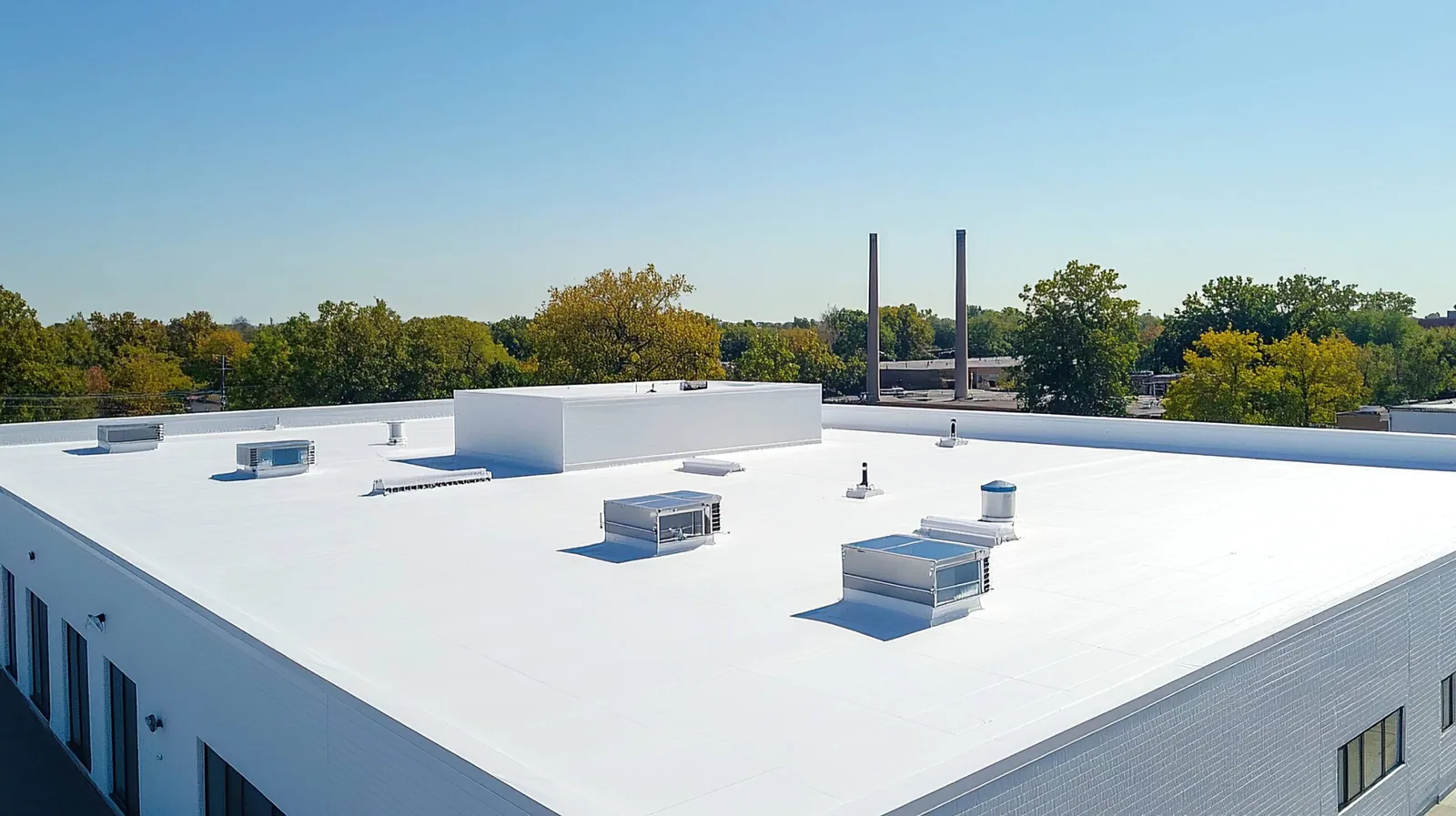
A Johns Manville reference in a submittal or warranty folder can point to several system types. The repair method depends on the membrane or multi-ply assembly that is actually on the roof, along with its attachment, flashings, and receiving surface. We trace those details in the field, compare them with the available records, and set the next work boundary around confirmed material rather than a product name alone.
Johns Manville publishes commercial resources for TPO, PVC, EPDM, SBS, APP, built-up roofing, and liquid-applied systems. That range matters when a building has additions from different reroof cycles. One section may accept a different repair material than the next, and a prior patch can obscure the underlying assembly. Before recommending work, identify the system, the lap or layer that failed, and any concealed condition that could change the scope.
Garden Grove’s commercial and industrial buildings vary in roof type and use. The Western Avenue Industrial Area is a broad service area; roof-level findings at each property should guide material selection and phasing.
Use the System Record to Guide the Roof Walk
Gather the roof plan, Johns Manville submittals, installation or repair history, warranty documents, and records of later mechanical work. Confirm whether the documents cover the roof section being inspected. On site, note the visible membrane or multi-ply surface, seam or lap direction, insulation and cover-board clues, edge metal, drains, curbs, and prior patches. If the sheet or layers are hidden beneath coatings or equipment, record that limit instead of assigning a system from a neighboring area.
When water is reported indoors, compare the room location and timing with the roof plan, then inspect nearby seams, penetrations, drains, and wall transitions. Water may travel through a deck or insulation layer, so the ceiling mark does not confirm the roof entry point. Photograph the actual detail, label its roof zone, and state whether any moisture, attachment, or substrate question needs testing. Keep the inspection findings separate from an estimate until the work boundary is clear.
A commercial roof inspection can document the current assembly. A roof condition report can organize photos, limitations, and recommended next steps by roof section.
Repair the Layer or Seam That Has Failed
Single-ply and multi-ply assemblies do not share one repair method. For a thermoplastic sheet, confirm the membrane and suitable weld or flashing detail. For EPDM, check the surface and compatible cleaning, primer, and repair materials. For SBS or APP modified bitumen, determine how the cap sheet and underlying plies meet the failed area. For built-up roofing, identify the layers exposed and the attachment or surfacing before cutting into the roof. Follow the approved system requirements for the material in place.
Remove only enough material to reach a stable tie-in, then record what appears beneath the surface. If insulation is wet, a cover board is loose, or the deck differs from the plans, pause and obtain owner direction before extending the repair. Sealant should not be used to disguise a split lap or detached layer. The proposal should state system, material, preparation, attachment, flashing, roof zone, access, protection, and exclusions so the owner can review what is included.
When a leak is at a defined opening, commercial roof repair can address that condition. If the affected section needs replacement, commercial roof replacement planning should account for removal, substrate checks, and dry-in.
Compare System Choices With the Substrate and Use
The material choice follows the roof and building, not a generic preference. A TPO or PVC membrane may use heat-welded laps; EPDM relies on a different seam and flashing approach; modified bitumen and BUR depend on layered construction. Liquid-applied products also require their own substrate and detail checks. If a replacement is considered, evaluate the deck, insulation, cover board, slope, drainage, curbs, perimeter, and access before selecting an assembly. Product comparisons may also include Soprema roofing systems when the specified assembly and substrate call for a different membrane family.
A recover may be possible only when existing layers and moisture condition support it, and added height works at edges and equipment. Coating does not repair an unknown leak path or wet substrate. Tear-off provides access to hidden layers but increases removal and protection needs. Each option should identify the work boundary, preparation, material, tie-ins, equipment interfaces, unresolved tests, and assumptions. A budget estimate based on incomplete access should be labeled accordingly.
Garden Grove’s industrial properties and commercial corridors can involve different operating needs. A EPDM system review or TPO system review should follow confirmed membrane identification. For other manufacturers, compare Carlisle SynTec systems and GAF commercial roofing using their own product records.
Coordinate Material Delivery and Trade Interfaces
Before mobilization, confirm roof access, staging, lift placement, deliveries, protection below, and any tenant or equipment restrictions. Identify whether a mechanical or electrical vendor controls a curb or service line in the repair area. If another trade must finish its work before the roof is closed, place that handoff in the sequence and keep the flashing detail visible until the responsible parties accept it.
During phased work, agree how much roof can be opened, what material must be onsite, and the closeout condition at the end of each shift. If field material differs from the JM plan or a hidden layer changes the recommendation, document the difference and request approval before proceeding. Photos before removal, after preparation, and at completion help the facility compare what was found with what was installed. Do not treat an intermediate dry-in as the completed repair.
A phased reroof plan can help coordinate work above operating space. Keep inspection history in a roof asset record so later maintenance staff can identify the system and repair zone.
Retain the Johns Manville Product and Repair Record
At closeout, identify the property, roof section, product family when confirmed, preparation, installed materials, lap or flashing details, photographs, approved changes, and any unresolved condition. Retain product data and warranty papers supplied for the installation. If the site includes more than one JM system, note which roof zones each record applies to. A later crew can then check compatibility before adding a patch or coating.
Follow-up inspection can review seams, flashing, edge details, drains, rooftop supports, and penetrations added by other trades. Record the date, access limits, photos, and next action. If a leak returns, inspect the reported section and compare it with the prior repair rather than assuming the original product or failure has changed. The report should explain what the current visit confirms and what remains untested.
The Garden Grove service area covers properties with different roof assemblies. Keep the system identification and repair history tied to the building and roof plan where they were confirmed.
Commercial Roofing Questions
What commercial roof systems does Johns Manville make?
Its commercial resources list TPO, PVC, EPDM, SBS, APP, built-up, and liquid-applied systems. Confirm which product and assembly were installed on the specific roof before selecting repair materials.
Can one Johns Manville repair detail work on every roof section?
No. Identify the membrane or multi-ply assembly, attachment, receiving surface, and failed detail at each section. Different systems use different seam and repair methods.
What should be checked before repairing a JM roof?
Review the project records, inspect seams and transitions, confirm material compatibility, and note moisture or substrate questions. Define the repair boundary before removing material.
Can coating be applied over a Johns Manville roof?
That depends on the specific roof material, condition, substrate, and coating requirements. Confirm compatibility and resolve open leaks or moisture before including coating in a scope.
What should be saved after JM system repairs?
Keep the product information, roof-zone photos, repair materials, preparation, approved changes, exclusions, and relevant warranty documents with the roof plan.
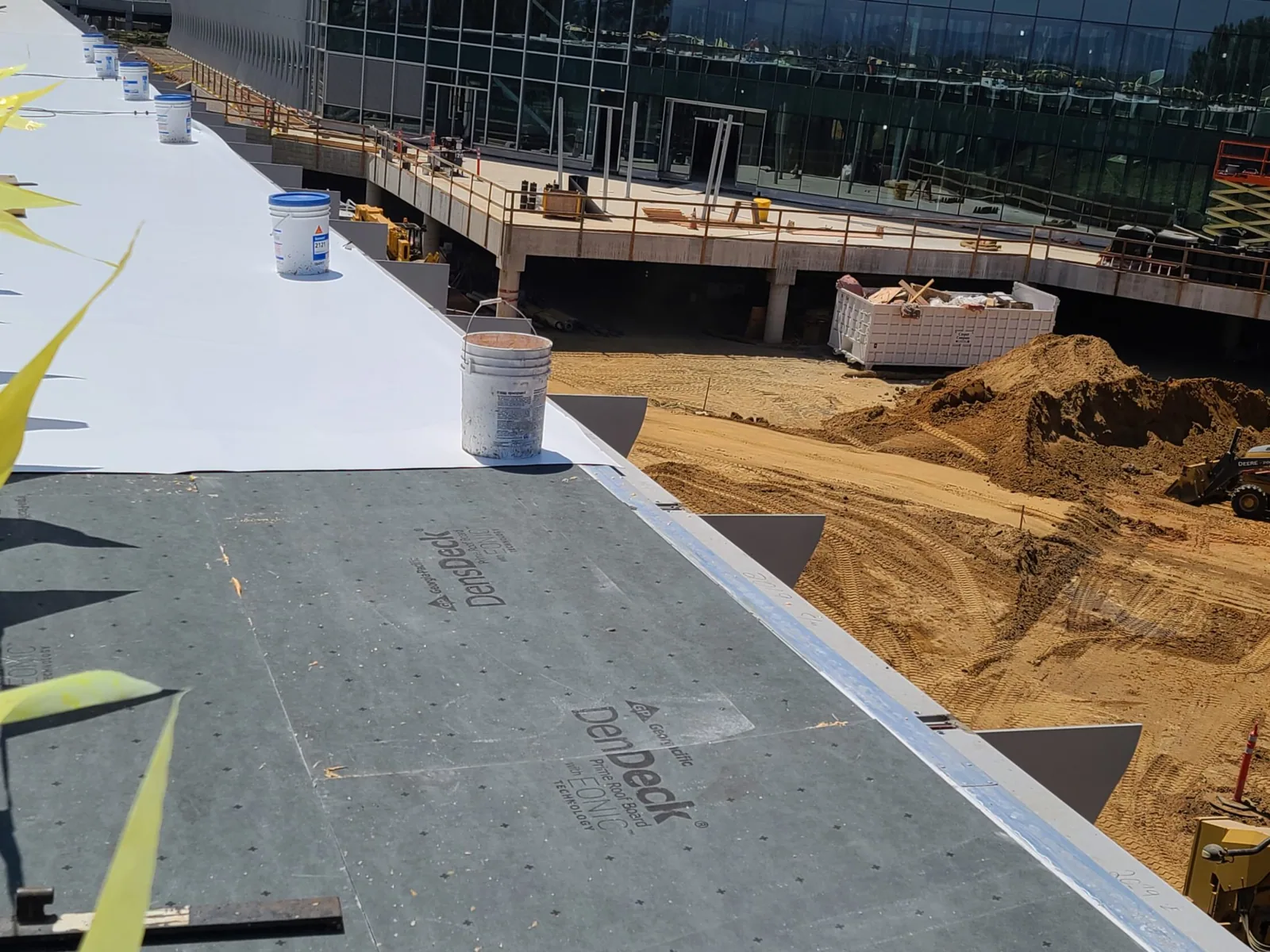
Inspect a Johns Manville roof
Share the roof plan, JM product records, repair history, leak location, access rules, and any equipment changes. We can identify the installed assembly and define a compatible repair or replacement scope.
Or call 555-555-5555 · [email protected]