Industries We Serve · Garden Grove, CA
Commercial Roofing for Real Estate Investors and REITs in Garden Grove, CA
Real Estate Investors and REITs
Review roof condition, repair scope, and replacement timing across Garden Grove investment properties with building-level evidence for capital decisions.
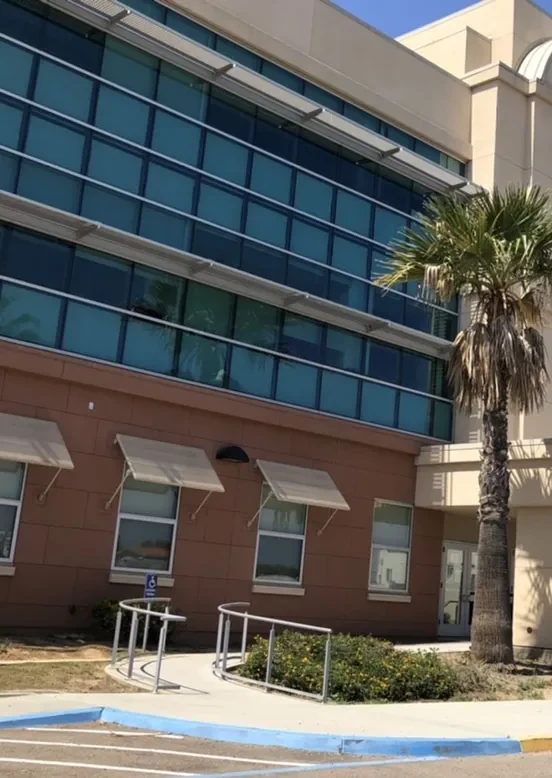
A roof walk on an acquired property starts with the edge, drain path, and visible transitions, not the seller’s summary or a portfolio spreadsheet. The field condition determines whether a repair is local and where a sound tie-in can be made. Investors and REIT teams need that distinction before they set a reserve, compare sites, or carry a condition into underwriting.
We record what can be seen, identify what remains concealed, and connect each observation to a roof zone and a decision. A site-level report can support an acquisition review, ownership update, or annual capital plan without presenting an estimate as a confirmed defect.
Garden Grove’s commercial, office, industrial, and mixed-use areas create different roof demands across a portfolio. The Garden Grove Industrial District and Harbor Boulevard Corridor offer local context, while the actual assembly, occupancy, and maintenance history at each asset guide the scope.
Separate Field Evidence From Asset Assumptions
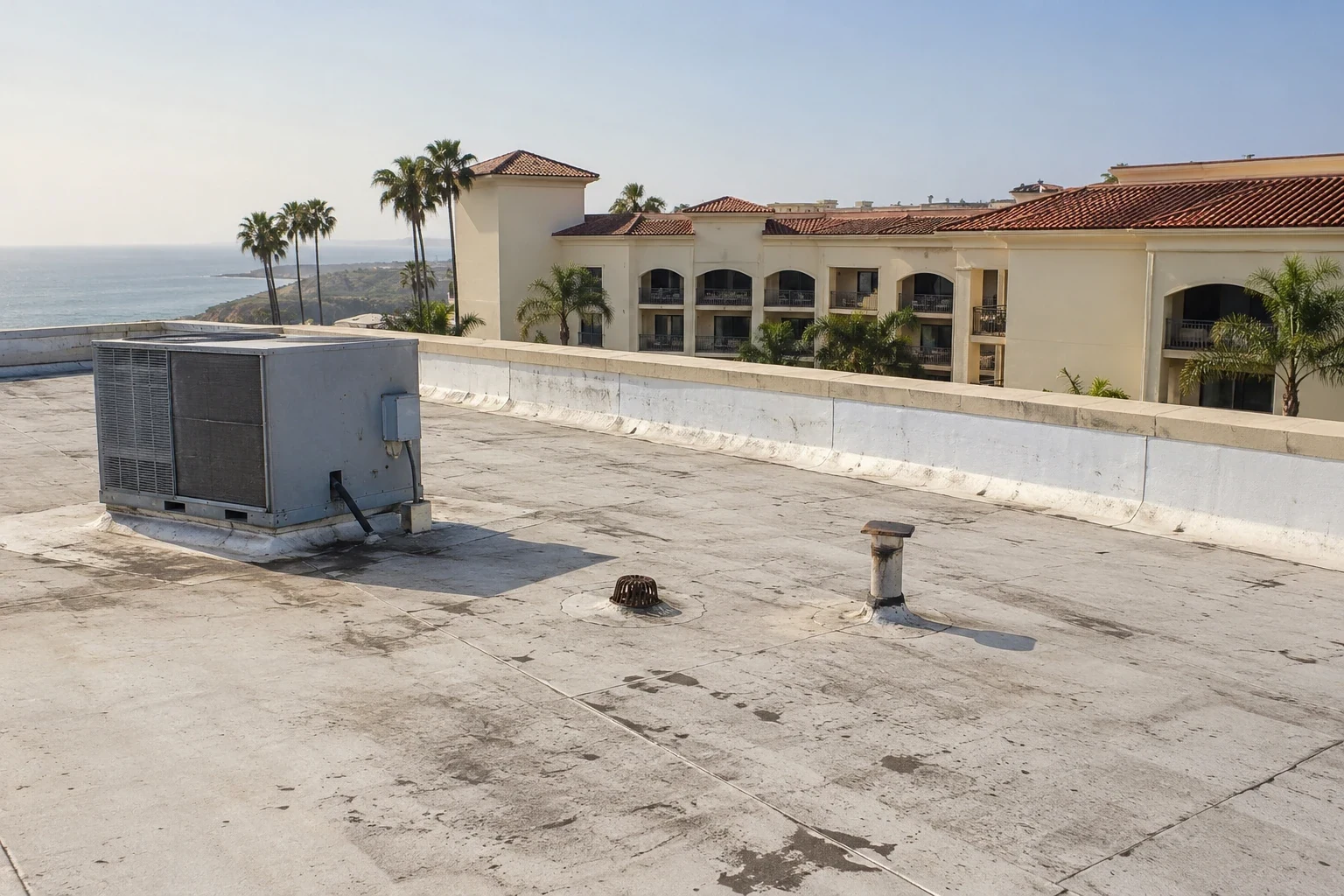
For each property, begin with the roof plan, construction or repair history, available warranty information, known tenant work, and reported leak areas. On the roof, trace the report toward plausible entry points and inspect the adjacent seams, penetrations, walls, edges, and drains. Water can move laterally before it shows inside, so the stained ceiling is a reference point rather than proof of the opening. Photographs should show both the detail and its location within the roof zone.
Record the material and apparent condition of the field, insulation clues, substrate, flashing, and perimeter. Note blocked access, unsafe surfaces, equipment that could not be approached, and any area that needs a test cut or specialist review. A report should distinguish observed damage from an inference and keep both separate from recommendations. That discipline helps an investment committee compare evidence without mistaking an unknown assembly layer for a confirmed failure.
A due-diligence roof survey can organize pre-acquisition observations, while a roof condition report can carry confirmed findings into the asset file. For active service concerns, the commercial roof inspection sets a more focused field scope.
Set a Defensible Repair Boundary
A repair scope begins at the failed detail and extends only far enough to reach stable, compatible material. If a termination has lifted, the crew checks whether the membrane and substrate beside it can accept a new tie-in. If insulation is wet or the deck condition is uncertain, a small surface patch may hide a larger issue; the report should state what testing is needed before the owner chooses a broader correction. The resulting boundary should be visible in photographs and clear in the proposal.
For a portfolio, the useful comparison is not simply repair cost against replacement cost. Record the roof area addressed, remaining defects, access assumptions, occupied-space constraints, and what the price excludes. A local repair can preserve a serviceable assembly, while widespread seam failure, recurring moisture, or deteriorated edges may justify a wider evaluation. Each option needs stated assumptions so the asset team can compare similar scopes without treating different roofs as interchangeable.
When damage is active, the owner can authorize temporary protection while a permanent repair is developed. Coating belongs in the comparison only after substrate, drainage, compatibility, and preparation are reviewed.
Compare Capital Options by Assembly and Timing
Repair, recover, restoration, and replacement each change the roof in a different way. Before comparing them, document the existing membrane or panel, insulation, deck information where available, attachment clues, drainage, perimeter, equipment curbs, and prior work. A recover adds layers and height; that can affect edge metal, penetrations, drainage, and transitions. A coating relies on suitable surface preparation and a compatible, stable substrate. Replacement offers access to concealed layers but also brings removal, protection, staging, and disposal decisions.
Cost planning should show what each alternative includes, what it assumes about hidden conditions, and which items require a separate allowance or field decision. If a concealed condition would materially change the scope, identify the test opening or design review before the team compares final numbers. Separate immediate water-control work from capital work, and state what each phase resolves or leaves open.
Garden Grove’s code framework includes the 2025 California building standards with local changes in Title 18; confirm project-specific permit requirements with city officials. A roof capital plan can carry the chosen timing and assumptions into a multi-year review.
Coordinate Tenant Operations and Investment Reporting
Capital work has to fit the property’s operating calendar. Confirm roof access, escorts, tenant notices, loading routes, lift locations, material storage, and any space below the active work zone. Retail paths, loading doors, and office noise limits may each shape the sequence. The owner or manager approves those arrangements, and the contractor records the boundary the field crew is expected to follow.
For multi-phase work, agree on the active roof zone, expected duration, temporary protection, and the person who can answer a field question. Before a curb, line, or support is disturbed, identify the qualified trade responsible for the connected equipment. Keep roof work and equipment work sequenced so a flashing detail is not closed before the vendor completes its task. If a field change affects cost or timing, document it and route it to the authorized representative before proceeding.
Investment reporting can summarize status across assets, but each line should point back to its building-level evidence. Use the same fields for roof area, observation date, condition, urgency, proposed work, and unresolved question. The property-management workflow helps carry those decisions into tenant coordination, while a general contractor can coordinate roof phasing within a larger capital project.
Preserve a Useful Record After the Work
At closeout, collect photographs of the completed tie-in, repaired area, transitions, drains, and any work that remained beyond the approved work limits. Record materials, approved scope changes, inspection observations, and follow-up items against the relevant roof zone. Store the record with plans, warranties, invoices, and prior service history so a future asset review can distinguish completed work from an open recommendation. A concise record is more useful than a general note that the roof was repaired.
Maintenance visits can track new penetrations, sealant changes, drainage restrictions, loose edge details, or repeated reports from the same area. The interval should reflect the assembly, exposure, use, and owner’s maintenance program; no calendar schedule can predict every leak or eliminate the need for a response to new evidence. When an issue returns, compare its date and interior location with the previous repair map before extending the scope.
For a Garden Grove portfolio, keep local observations connected to the building and roof zone where they were made. The multi-site roof program can align reporting fields across assets, while preserving each property’s actual findings and approved work history.
Commercial Roofing Questions
What should an investor request during roof due diligence?
Request roof plans, maintenance and repair records, warranty documents, leak history, and access for a field survey. The survey should separate visible conditions from concealed areas that need testing.
Can one report compare several properties?
A common format helps compare condition and scope, provided observations remain specific to each roof zone and assembly. Do not carry a finding from one property into another without site evidence.
How do you estimate remaining roof life?
A visual inspection can describe current condition and apparent deficiencies, but concealed materials and prior installation details may limit a service-life estimate. Testing or manufacturer review may be needed before relying on a planning assumption.
When is replacement preferable to repair?
The decision depends on the extent of deterioration, moisture in the assembly, repair history, and whether a durable tie-in is possible. Compare a defined repair scope with a replacement scope that states its removal and concealed-condition assumptions.
How can roof spending be phased across a portfolio?
Rank work by documented exposure, active water entry, condition, operating constraints, and the consequence of delay. Keep immediate protection separate from planned capital work and update the schedule when new field evidence changes a priority.
Review a Garden Grove roof asset
Share the roof file, property access requirements, reported concerns, and the decision date. We can document field conditions by roof zone and prepare a scope with clear assumptions for ownership review.
Or call 555-555-5555 · [email protected]