Roofing Manufacturers · Garden Grove, CA
Carlisle SynTec Commercial Roofing Systems in Garden Grove, CA
Carlisle SynTec Commercial Roofing Systems
Inspect Carlisle SynTec commercial roofing in Garden Grove for membrane type, attachment, seam condition, repair compatibility, and project scope.
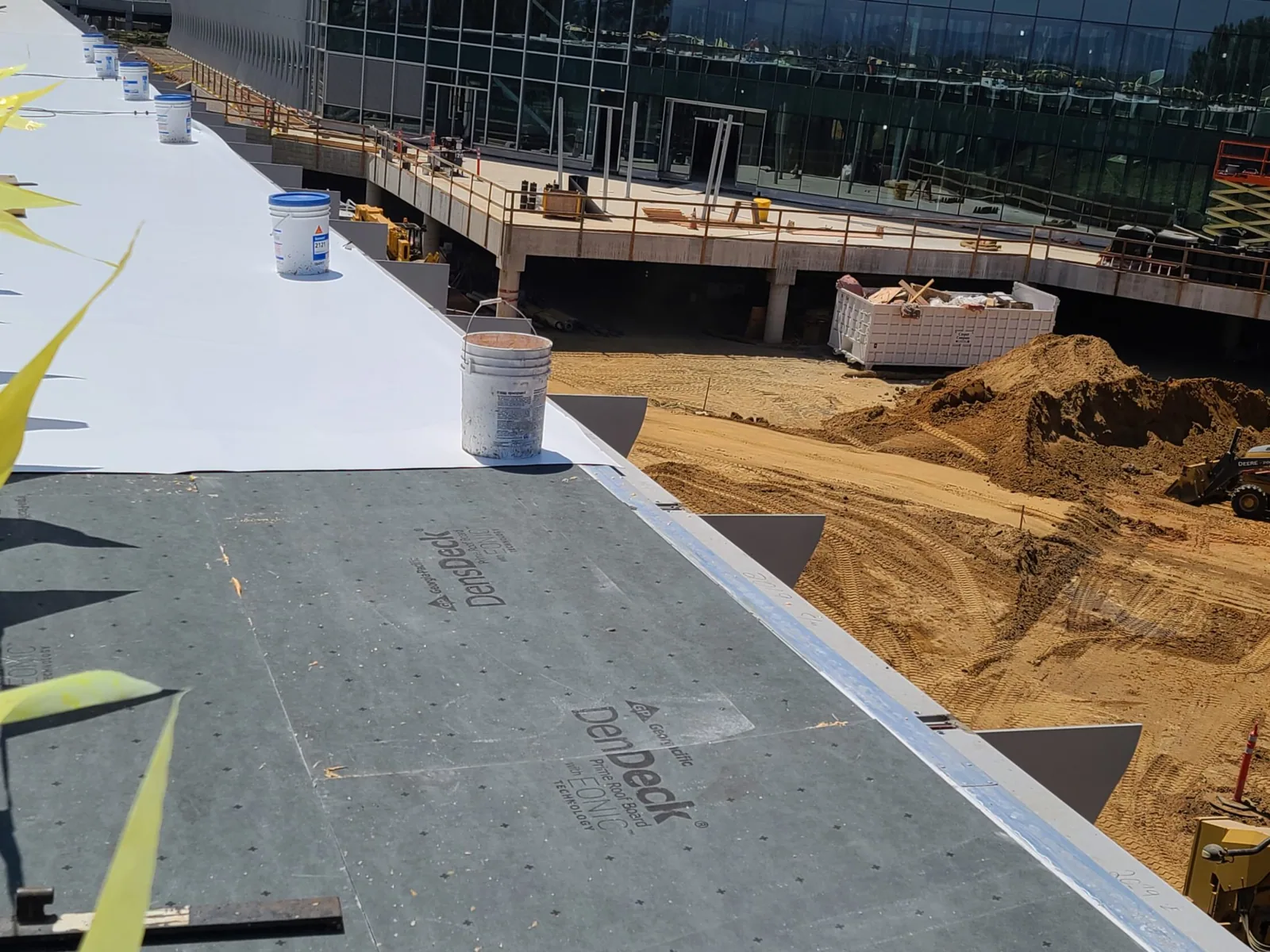
A Carlisle SynTec name on a roof record can refer to more than one type of membrane or assembly. The product family and attachment method affect how a seam, penetration, or edge is inspected and repaired. We identify what is installed from project records and field details, then compare that information with the condition of the receiving surface. A material name by itself does not show whether the roof has wet insulation, a failed transition, or a later patch from another system.
Carlisle describes commercial single-ply membranes that include EPDM, TPO, PVC, and fleece-backed options, along with insulation and system components. On an existing Garden Grove building, the relevant choice depends on deck, slope, operations, drainage, equipment, and work history. The repair or replacement scope should identify the installed assembly and how the next material will connect to it, especially where old and new roof sections meet.
Garden Grove has commercial and industrial properties with varied roof layouts. The Western Avenue Industrial Area provides local service context; the installed Carlisle system and field condition define the job.
Read the Membrane and Attachment Details
Gather the roof plan, Carlisle product submittals, installation records, prior repair reports, available warranty papers, and any notes about later equipment work. On the roof, identify the visible membrane, sheet direction, seam type, attachment clues, insulation or cover board where exposed, edge terminations, and drainage. Check whether the product label corresponds to the area being inspected; a project file may describe only one building section or a past reroof.
For an active leak, record the interior report and follow the likely path across seams, walls, drains, and equipment curbs. Water may travel beneath the membrane before it appears inside, so locate the roof defect before specifying a patch. Photograph the seam and a wider area, mark the location on a plan, and note any portion blocked by a unit or unsafe access. If a test opening is needed to verify moisture or attachment, state what decision depends on that result.
A commercial roof inspection can identify field conditions. The EPDM roof system and TPO roof system pages describe different seam and material considerations when the installed membrane is confirmed.
Keep the Repair Compatible With the Carlisle Assembly
EPDM, TPO, and PVC have different joining methods and compatible accessories. Do not select a patch only because it is available onsite. Confirm the actual membrane, surface condition, adhesive or weld requirements, reinforcement, and repair detail before disturbing the seam. A fleece-backed sheet can present a different receiving surface from a bare membrane. Where an older coating, adhesive, or repair tape covers the original material, verify what lies beneath before layering new work over it.
For a localized repair, prepare material far enough beyond the visible split or puncture to reach a stable area. Check whether the substrate is dry and whether the seam remains bonded past the opening. If the assembly exposes wet insulation or a damaged deck, stop at the approved boundary, protect the roof, and document what changed before adding quantities. The estimate should identify material, prep, lap dimensions or attachment, access, protection, and exclusions tied to the Carlisle system.
If a storm has exposed the roof, emergency roof protection can address immediate exposure under owner direction. A coating may be considered only after confirming its compatibility with the existing roof and correcting open details.
Compare Carlisle System Options by Building Use
When a roof reaches replacement planning, compare assembly options against the deck, moisture condition, equipment density, fire and wind requirements, drainage, and project schedule. Carlisle’s commercial portfolio spans multiple membrane types, but a branded product is not a recommendation by itself. A building with frequent rooftop access may need attention to walkway routes and protection. A roof with many equipment transitions needs coordinated flashing details. A recover also changes edge height and drainage, while replacement includes removal and temporary dry-in.
Set the proposal around a measured work area and confirmed conditions. If the roof contains more than one Carlisle system or a mix of manufacturer materials, mark the transitions and price compatible tie-ins separately. Keep any concealed moisture or deck repair as a stated contingency until an approved opening confirms its extent. The owner should be able to compare each option by what it resolves, what assumptions remain, and how the work can be sequenced.
For a different product portfolio, GAF commercial systems and Johns Manville systems also require installation-specific material review. A roof warranty file can retain the product and repair history when the owner has applicable documents.
Plan the Carlisle Repair Around Roof Access
Before work begins, confirm building access, escorts, staging, protection below, occupied areas, and the person who can approve a change. Identify any equipment vendor whose work affects a curb, line, or support. The roofing crew should not close a flashing detail before the responsible trade finishes and the owner confirms the interface. Mark the active roof area and the end-of-shift dry-in so materials are not left exposed beyond the approved limit.
For multiple sections, identify which can be repaired independently and which share a transition. Photos before removal, after preparation, and at completion let the owner compare the new work with the original Carlisle detail. If material differs from the plan or a concealed condition changes the method, stop and route the field question for approval. Keep completed work separate from any area that remains under review.
For work above active tenants, occupied-building reroofing can help set work phases. The Garden Grove service area includes properties with different operating conditions, so confirm access with each site contact.
Retain Carlisle Product and Repair Information
At closeout, record the building, roof zone, identified Carlisle product family when confirmed, material installed, surface preparation, seam or flashing detail, photos, scope changes, exclusions, and remaining concerns. Add documents supplied for the installation and note any product identification that remains uncertain. This helps future maintenance staff avoid treating a repair patch as the original membrane or applying a new accessory without checking compatibility.
Later inspections can check seams, edges, drains, penetrations, prior patches, and new vendor work. Include a date, roof-zone reference, and photos of any condition that needs follow-up. When a leak returns, compare it with the previous repair record, then inspect the area rather than assuming the same seam has reopened. Each recommendation should be grounded in what the current visit confirms.
Garden Grove’s service area spans several commercial corridors, but the product file belongs to the roof where it was installed. Keep the Carlisle documents, plans, and repair history together with that property’s inspection records.
Commercial Roofing Questions
Which Carlisle SynTec membrane is on my roof?
Check the installation records and compare them with field evidence, including the membrane surface, seams, attachment, and any product labels. A prior file may describe only one roof section.
Can a Carlisle EPDM patch be applied to Carlisle TPO?
Do not assume that materials are interchangeable. Identify the installed system and select a repair method compatible with the membrane and system requirements.
Can Carlisle fleece-backed membrane be installed over an existing roof?
That depends on the existing assembly, substrate, moisture, attachment, height, and approved system design. Inspect the roof and verify the specific application before pricing a recover.
What should be documented during a Carlisle roof repair?
Record the roof section, identified membrane, preparation, materials, seam or flashing method, photos, approved changes, and any concealed condition that remains unresolved.
Does a Carlisle product label establish warranty coverage?
The label can help identify the material, but the warranty issuer applies the document to the roof and condition. Keep the actual warranty and project records for review.
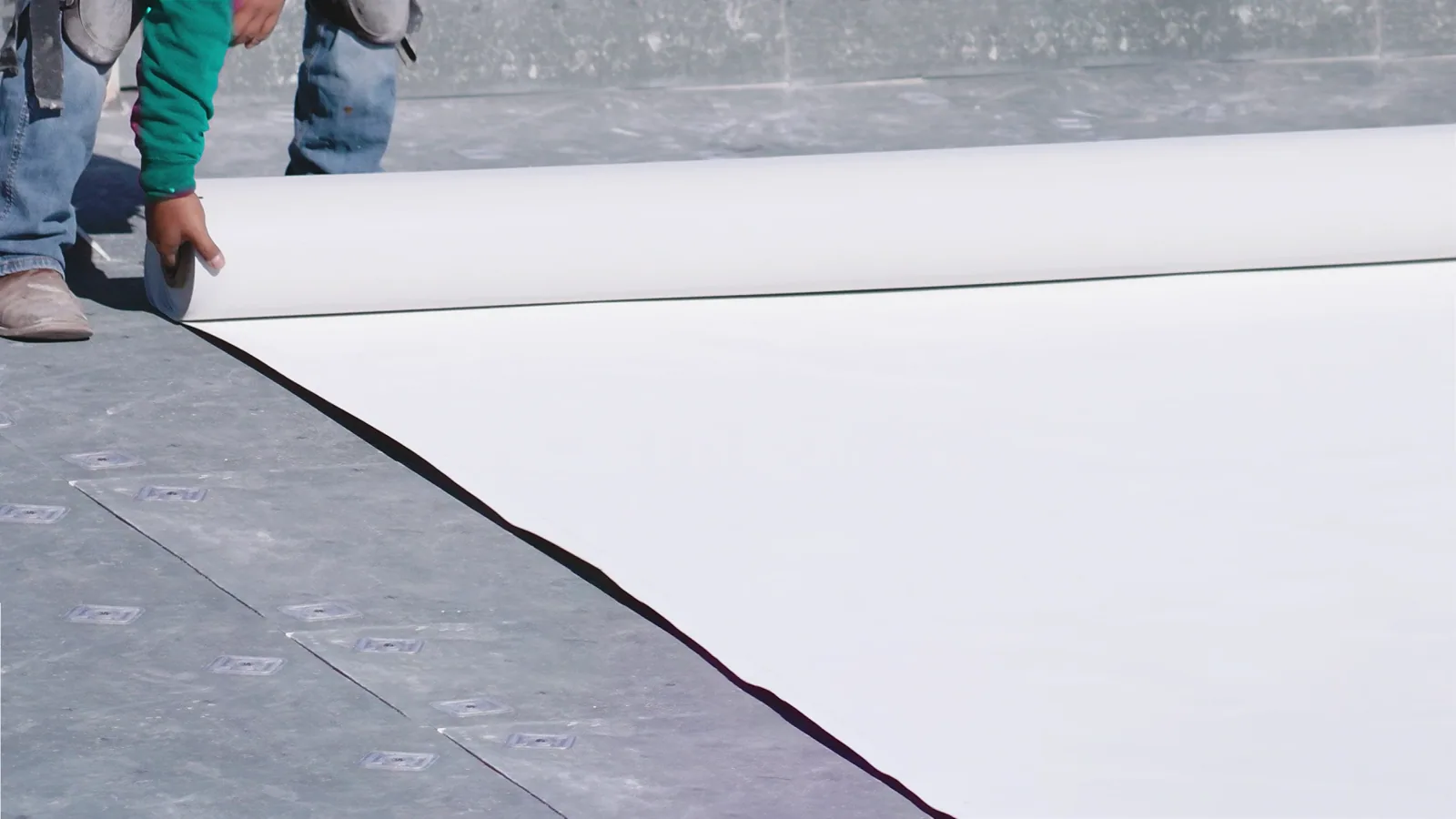
Review a Carlisle SynTec roof
Share the roof plan, Carlisle submittals, prior repairs, leak report, and access details. We can identify the installed assembly and prepare a repair or replacement scope for owner review.
Or call 555-555-5555 · [email protected]