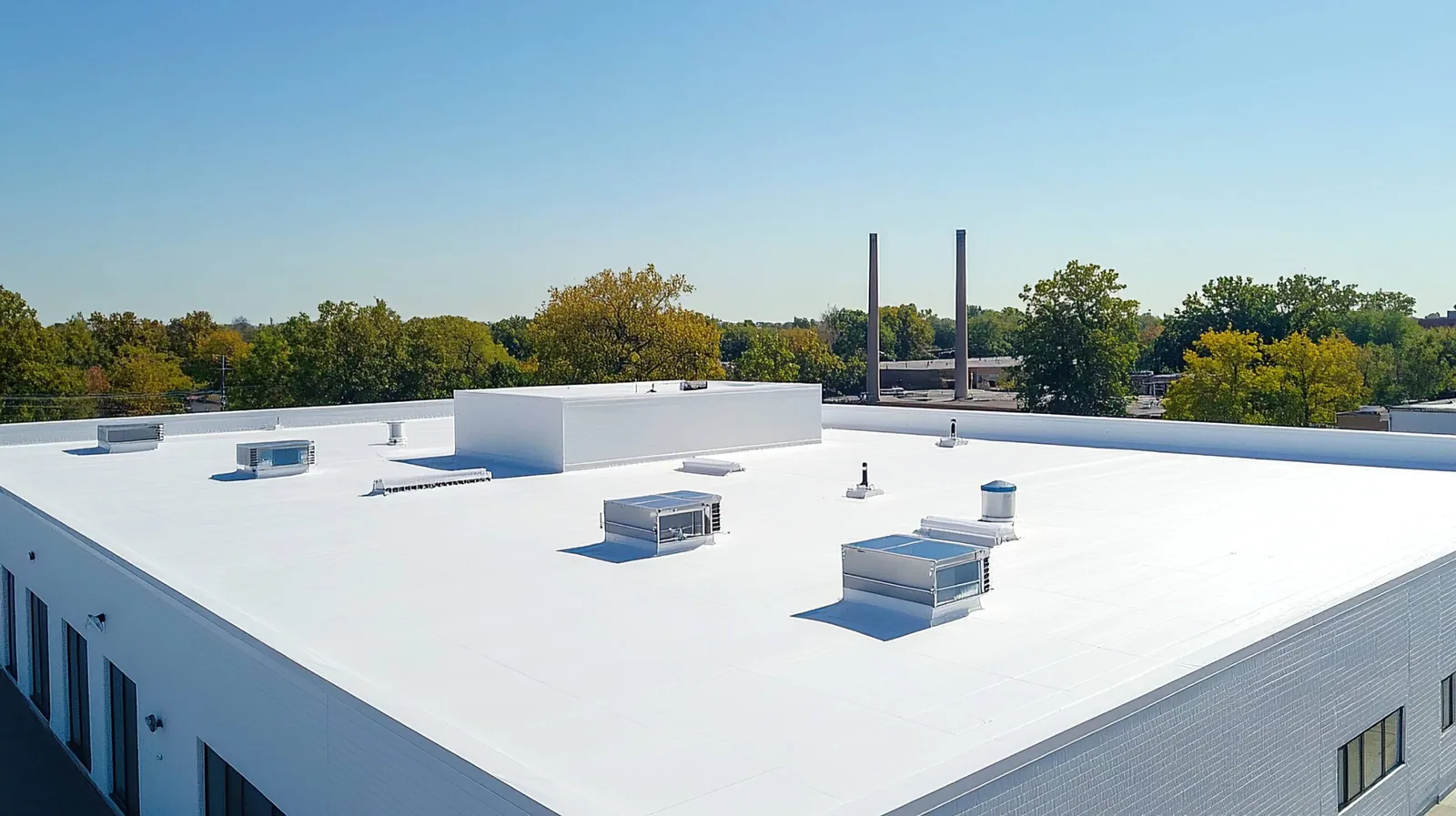
Roofing Manufacturers · Garden Grove, CA
GAF Commercial Roofing Systems in Garden Grove, CA
GAF Commercial Roofing Systems
Review GAF commercial roof systems in Garden Grove with attention to membrane selection, seam details, compatible accessories, inspection, and repair scope.
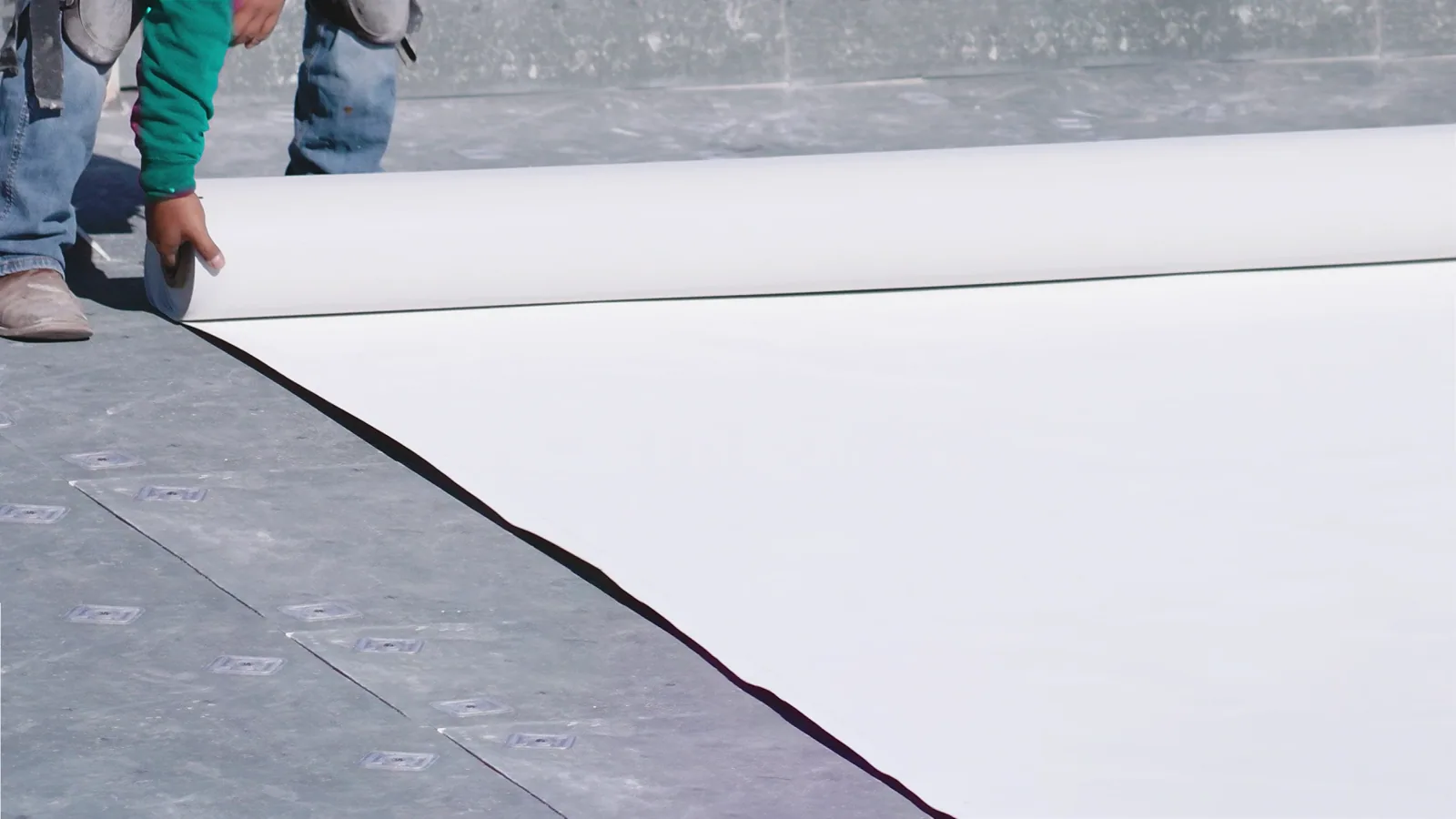
A GAF logo on a product label tells you who made a component, but the roof still has to be read as an assembly. The membrane, insulation, cover board, attachment, edge metal, penetrations, and drainage all meet at details that may have changed during later repairs. We begin with the installed system and current field condition, then set the repair or replacement boundary around what the roof can actually receive.
GAF’s commercial product library includes TPO and PVC single-ply roofing as well as other commercial roof materials. On a Garden Grove building, the right conversation is not just which label appears in a maintenance file. Confirm the membrane type, attachment method, substrate, and accessories at the roof before selecting repair materials. A prior patch or coating can hide the original surface, and the written scope should state when a test area or product review is needed.
Commercial properties in Garden Grove range from industrial buildings to retail and office spaces. The Garden Grove Industrial District is one broad service area, but the specific roof section, equipment, and access plan determine how a GAF system can be inspected or repaired.
Identify the Membrane Before Pricing a Repair
Start with the roof plan, product submittals, prior repair tickets, warranty documents, and any record of a reroof or equipment installation. Compare those records with the material visible on the roof. A commercial single-ply assembly may be mechanically attached, adhered, or attached through a different approved method. Identify sheet seams, perimeter details, curbs, drains, and transitions before assuming the same method applies throughout the building.
For a reported leak, record the interior location and date, then follow likely roof paths around seams, walls, penetrations, and drainage. A ceiling mark is a reference for the inspection, not a confirmed entry point. Photograph the seam and adjacent material, label the roof zone, and note any surface hidden under a patch or rooftop unit. If the assembly cannot be identified confidently, verify the system through an approved test or project record before specifying a GAF-compatible repair.
A commercial roof inspection can document the current assembly and observed defects. Keep photos, limits, and follow-up questions tied to the building.
Restore the Detail Without Mixing Incompatible Materials
A thermoplastic sheet and an asphaltic roof do not receive the same patch. If the roof is GAF EverGuard TPO, PVC, or PVC KEE, confirm which membrane is installed and follow the system requirements for preparation, seam welding, flashing, and accessories. TPO and PVC are both thermoplastics, but that does not make each membrane, adhesive, or flashing material interchangeable. Confirm compatibility before applying a repair layer over a prior product.
At an open lap, remove loose material only far enough to reach a stable and clean receiving area. At a penetration, check the boot or curb, the surrounding membrane, and whether equipment movement contributed to the opening. If insulation is wet or a deck issue is exposed, pause at the agreed boundary and document the additional condition before expanding the work. A surface patch should not be described as resolving concealed moisture or a failed support detail that was outside the inspection.
Where an opening needs immediate protection, emergency roof repair can address the exposed area under owner approval. A larger scope can compare roof coating restoration only after the existing material and substrate are evaluated.
Compare System Options Against the Roof Conditions
GAF lists commercial single-ply choices that include TPO and PVC membranes, with system components and attachment options described in its product materials. The selection for a particular building still depends on deck, slope, use, rooftop equipment, drainage, and project requirements. A reflective surface is not a substitute for adequate insulation or a properly detailed roof edge. A chemical or grease exposure question should be matched to the product’s documented limits before a membrane is chosen.
An added roof layer is a recover option only when the retained assembly has acceptable moisture, secure attachment, and enough height allowance. Replacement allows access to hidden layers but introduces removal, dry-in, disposal, staging, and equipment coordination. A coating can be appropriate only when the existing surface is compatible and prepared; it does not correct a leaking lap or wet board. The proposal should identify the product family where confirmed, the work area, transitions, material assumptions, and any component that remains subject to review.
If the roof is TPO, compare it with the TPO roofing system considerations. If PVC or PVC KEE is documented, the PVC roofing system details may be more relevant. For another manufacturer's roof, Carlisle SynTec systems and Johns Manville systems also warrant system-specific review.
Coordinate GAF Components With the Work Sequence
Before a GAF membrane or accessory is disturbed, confirm who controls roof access, who can authorize the repair, and whether a warranty issuer or designer needs to review the detail. Rooftop equipment vendors should complete any approved movement or shutdown before flashing is removed. Mark where the roofing scope begins and ends at curbs, drains, walls, and edge metal so another trade does not cover an unfinished transition.
For a phased project, set the amount of roof that can be opened and restored during each shift. Identify how the active area will be protected, what weather conditions alter the plan, and who receives a field change request if the substrate differs from the record. Photos before removal, after preparation, and at closeout help the owner see whether the approved GAF detail was completed and which conditions remain beyond the approved work limits.
When the building remains occupied, occupied-building reroofing can structure phases around tenants and operations. A roof warranty record can keep issuer correspondence with the repair history without assuming how the warranty applies.
Keep the Product and Repair History With the Roof Plan
Closeout should name the roof zone, GAF product or component when confirmed, preparation, repair material, seam or flashing detail, photos, approved changes, and open conditions. Retain product submittals and supplied warranty paperwork with the building’s roof plan. If the label on a later repair differs from the original system, record the location so future crews can test compatibility before adding material.
Inspection can check seams, terminations, drains, curb flashings, walkway routes, and new penetrations after work by other vendors. Record the date, the detail reviewed, and any area that could not be accessed. A maintenance visit does not prove every concealed layer is dry, and a repair at one location does not establish the condition of the whole roof. Respond to a new leak report with a current inspection of its roof zone.
The Harbor Boulevard Corridor is another broad Garden Grove service area. Whether work is there or in an industrial property, use the actual roof assembly and documented GAF components to plan the next step.
Commercial Roofing Questions
Does a GAF label confirm which commercial membrane is installed?
It can identify a product when the label or project record is legible and tied to that roof section. Confirm the installed membrane and attachment method in the field before selecting repair materials.
Can GAF TPO and PVC accessories be used interchangeably?
Do not assume they are interchangeable. Confirm the membrane, accessory, substrate, and system instructions before applying a product to the roof.
Can an existing GAF roof be coated?
Only when the installed material, surface condition, moisture, and coating compatibility support that option. Inspect the roof and state what preparation and transition work are included.
What should be checked before a GAF roof repair?
Review roof plans and repair history, identify the membrane and attachment, inspect adjacent seams and penetrations, and determine whether concealed conditions need testing.
What should the owner keep after GAF repair work?
Keep product identification, approved scope, roof-zone photos, materials, completed seam or flashing details, changes, and any issuer correspondence with the roof plan.
Review a GAF commercial roof
Share the roof plan, product records, prior repairs, leak location, and access requirements. We can inspect the installed system and prepare a repair or replacement scope tied to the confirmed assembly.
Or call 555-555-5555 · [email protected]