Commercial Roofing Services · Garden Grove, CA
Commercial Roof Coating Restoration in Garden Grove, CA
Commercial Roof Coating Restoration
Commercial roof coating restoration in Garden Grove, CA begins with adhesion, moisture, drainage, and detail checks before surface preparation.
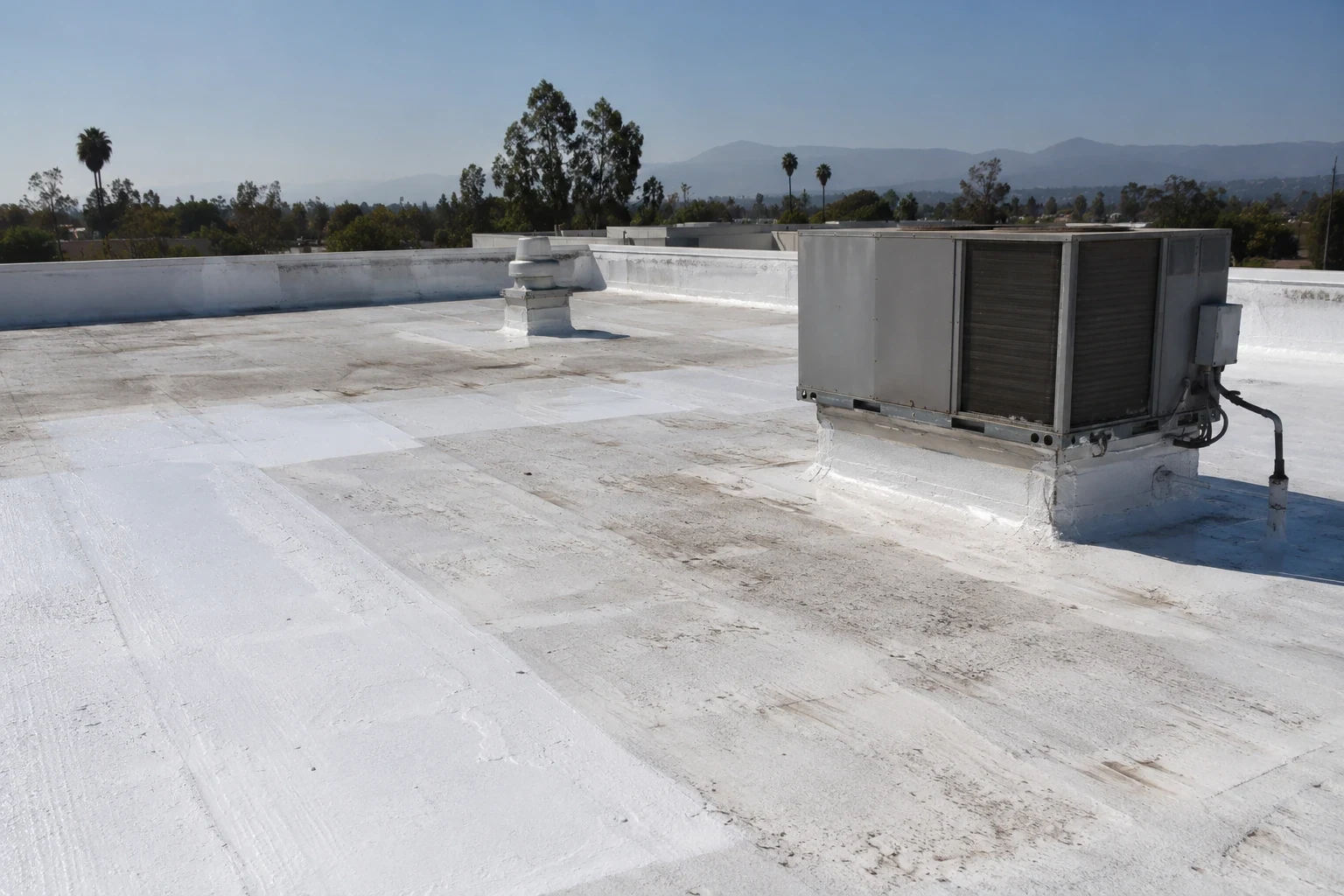
Loose adhesion at a seam or moisture below the field can change whether a coating belongs in the scope. Before recommending restoration in Garden Grove, CA, we inspect adhesion, seam movement, flashing, ponding, and moisture in the existing assembly. The survey determines whether preparation and a compatible coating can protect a serviceable roof or whether wet material and failed details need repair first. We identify the system already in place, the areas that can receive coating, and the details that require separate work. The scope then names preparation, reinforcement, application limits, and the conditions that would change the recommendation. The surface review also records the transitions where standing water, foot traffic, or prior patch work changes preparation needs.
Test the Existing Surface Before Specifying a Coating
We look for loose coating, blisters, cracks, open seams, contamination, and places where water remains after drainage should have occurred. A probe or adhesion test at representative locations can help determine whether the existing surface will accept the proposed material. Where moisture is suspected, we identify test cuts rather than sealing over a concealed problem. Roof transitions receive separate attention because the field coating may not bridge movement at a curb, drain, or parapet. The inspection record maps sound and failed areas, notes repair history, and describes the substrate available for preparation.
Garden Grove's commercial, office, and industrial areas include different rooftop equipment and access patterns. Along Garden Grove Boulevard, mixed commercial and office uses can put occupied tenant space beneath a coated roof. In the Knott Street and Western Avenue industrial district, maintenance traffic and equipment curbs may affect surface preparation. We confirm the building's work hours and recent roof penetrations with the property contact. A moisture survey can help prioritize openings where the assembly may be wet before restoration is priced.
We also check whether the old coating has chalked, softened, or separated at a test area. Those observations determine what cleaning and surface preparation can accomplish, and whether the proposed product can bond across the transition to exposed membrane.
Repair Defects Before Coating the Field
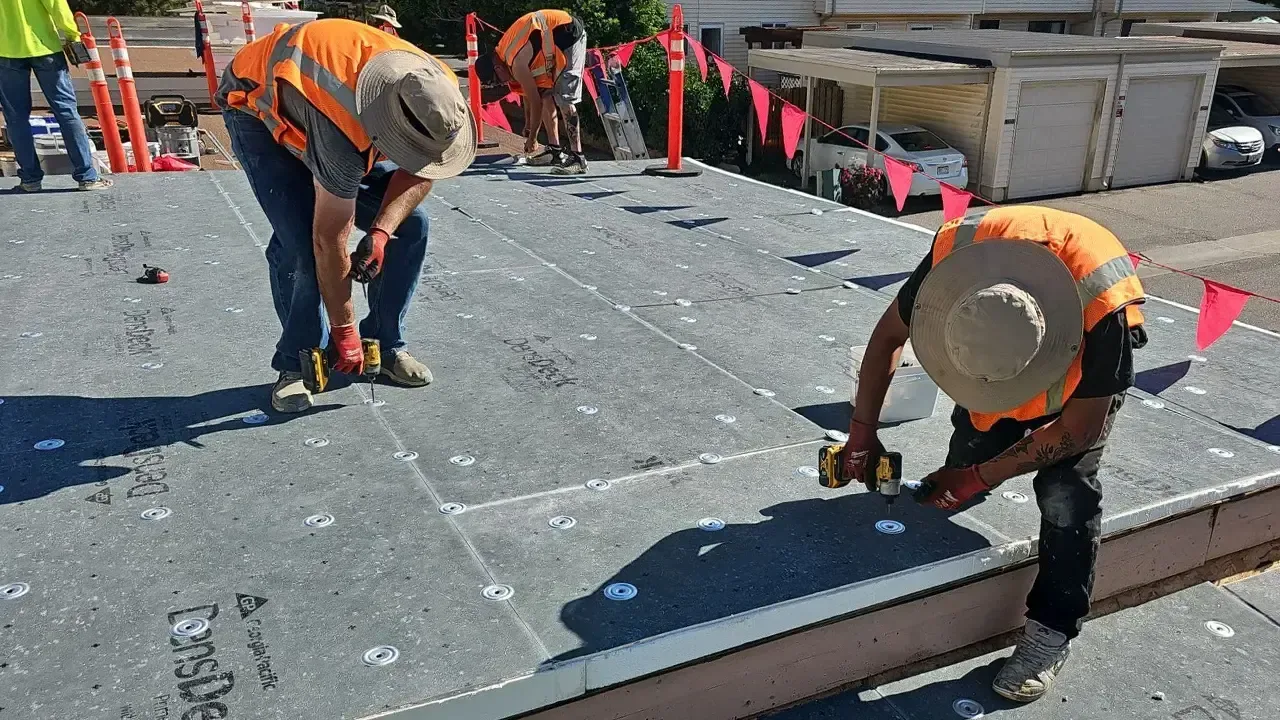
Coating can renew an eligible surface, but it is not a substitute for repairing loose flashing, wet insulation, or a failed seam. We remove unsound material, clean or abrade the substrate as required, and repair details that need a stable edge. Reinforcing fabric or liquid flashing may be appropriate at specific transitions when the selected system allows it. The proposal marks where coating ends and new detail work begins. It also states whether test cuts or adhesion samples are part of the work, and what happens if the existing surface fails those checks.
A roof with isolated damaged zones may need local membrane work before a coating can be considered. Our repair scope identifies that boundary. Where moisture extends through the board, we compare coating with recover work or replacement after the assembly is opened. A proposal should explain the preparation area, reinforcing details, and how drains and edges remain clear; the new topcoat cannot correct a drainage slope that holds water at the roof.
Select a System That Fits the Existing Roof
Silicone and acrylic coatings have different uses, application conditions, and water exposure limitations. We compare the manufacturer's written requirements with the roof's slope, drainage, existing membrane, and expected maintenance. The specification includes coating type, primer if needed, reinforcing fabric, target coverage, and transition details. It identifies the substrate condition required at application and does not promise performance beyond the chosen system's documented limits. If the surface is incompatible or too deteriorated, a different restoration or replacement path is needed.
The city adopts the 2025 California Building Code with local modifications in Title 18. Permit requirements depend on the scope and should be confirmed with the building official. A silicone coating and an acrylic coating should not be compared by color or cost alone. We inspect how each system handles the building's roof conditions and detail transitions. Drain bowls, scuppers, and metal edges remain separate details that need compatible preparation and cannot be blocked by coating buildup.
Prepare the Roof Without Contaminating the Work
Surface cleaning, repairs, priming, and coating need a sequence that keeps dust, debris, and wet materials away from completed areas. We confirm water access, power, staging, and protection for occupants and rooftop equipment. Application depends on suitable weather and a dry substrate. Before each zone proceeds, we check that the surface meets the product's preparation requirement and that drains or expansion joints remain functional. If the roof cannot be prepared within those limits, we stop and document what needs correction instead of coating a compromised surface.
Trask Avenue's planned auto-sales and repair cluster highlights how vehicle movement may affect staging at a nearby property; the actual site contact confirms circulation and loading restrictions. Garden Grove's commercial plan also includes named corridors such as Harbor Boulevard and Beach Boulevard. A phased roof plan can keep pedestrian routes and operating areas clear while work advances by zone. We set an end-of-day boundary where the surface remains protected and identify which areas cannot be used until the coating cures.
Application records should identify the weather and surface checks made before work proceeded. If the surface becomes damp or a zone fails preparation, we leave that area out until it meets the installation conditions.
Document Coverage and Care Requirements
Closeout records the prepared area, repairs completed, coating system, and any areas excluded from application. We check coverage at field transitions, penetrations, and edges and photograph the finished detail. The owner receives the manufacturer's care instructions and a map of areas that may need monitoring. We also state whether any adhesion sample or test opening changed the initial scope. This record helps a future inspection compare the same roof zone instead of assuming a coating has hidden or corrected every prior defect.
After restoration, debris, equipment changes, and foot traffic can damage a detail or block drainage. A maintenance schedule can check those items and record the coating condition. If a seam or flashing opens, a compatible repair assessment is needed before applying more coating. We keep the follow-up focused on the installed system, its specific maintenance requirements, and the surface conditions observed at the visit.
Commercial Roofing Questions
How do you decide whether a roof can be coated?
We check the existing system, adhesion, moisture, seams, flashings, drainage, and substrate condition. Representative tests can help confirm compatibility and surface preparation requirements. A coating is considered only where the roof can accept it; wet insulation, loose material, or failed details need correction or a different scope.
Can a roof coating stop active leaks?
A coating may protect a prepared, compatible roof surface, but it should not be used to cover unresolved water entry. We locate and repair failed seams, flashings, or drains first. If moisture is concealed, test openings may be necessary before choosing a restoration system.
How should we compare coating proposals?
Compare preparation, repairs included, adhesion testing, material system, reinforcing details, drains and edge treatment, application limits, and cure-time access restrictions. The scope should identify excluded areas and what happens if the substrate fails testing. A coverage number alone does not show whether the roof is ready.
What maintenance does a coated roof need?
The owner should keep drains clear, track new penetrations, and have seams, edges, and repaired details reviewed at planned intervals. Follow the selected system's care instructions and record any foot traffic or equipment work. A maintenance visit can identify damage before another coating layer is considered.
Measure the roof before choosing the repair path
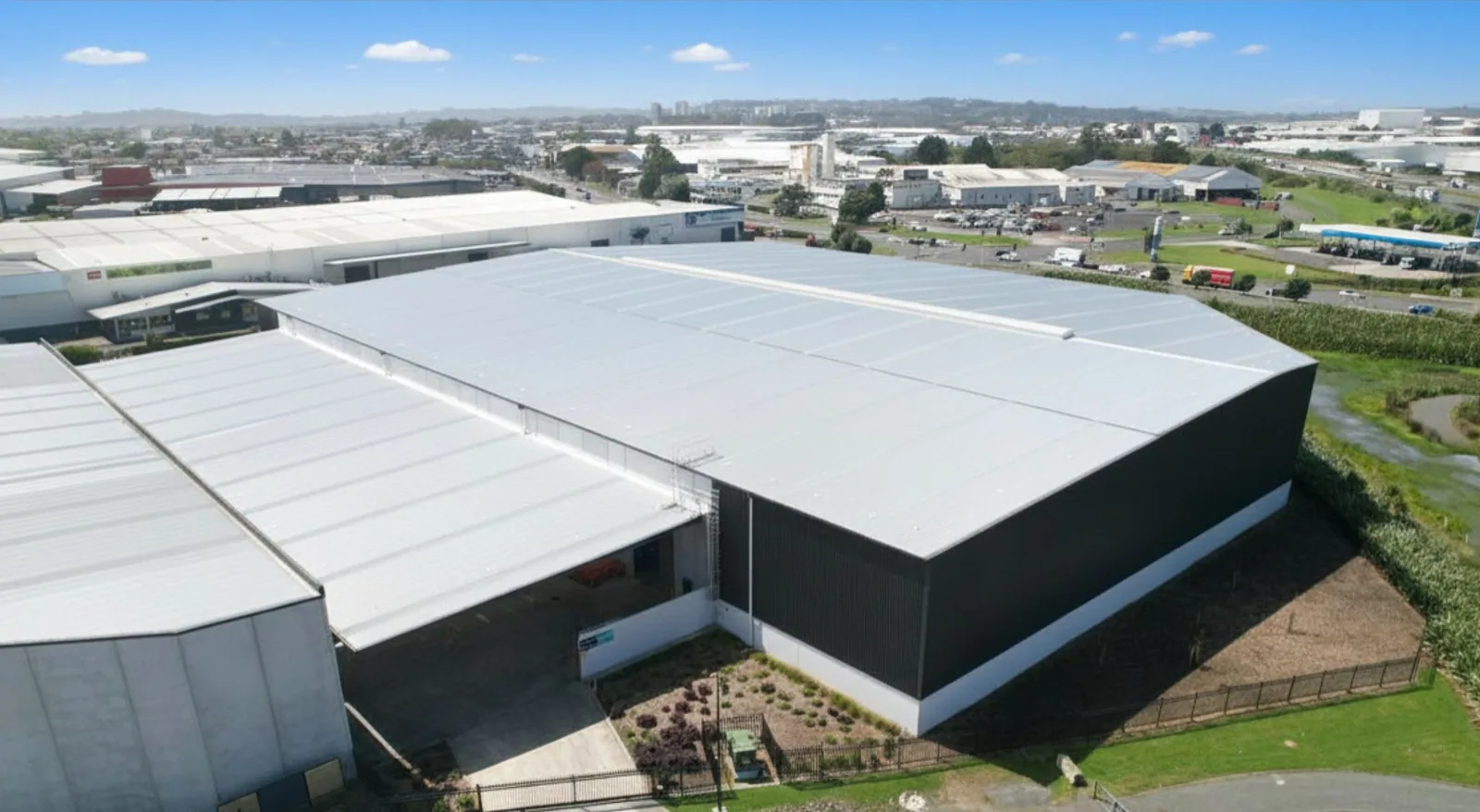
Arrange a roof walk with available plans, leak records, and access constraints. We will trace the assembly, mark the work boundary, and prepare a scope for your Garden Grove building.
Or call 555-555-5555 · [email protected]