
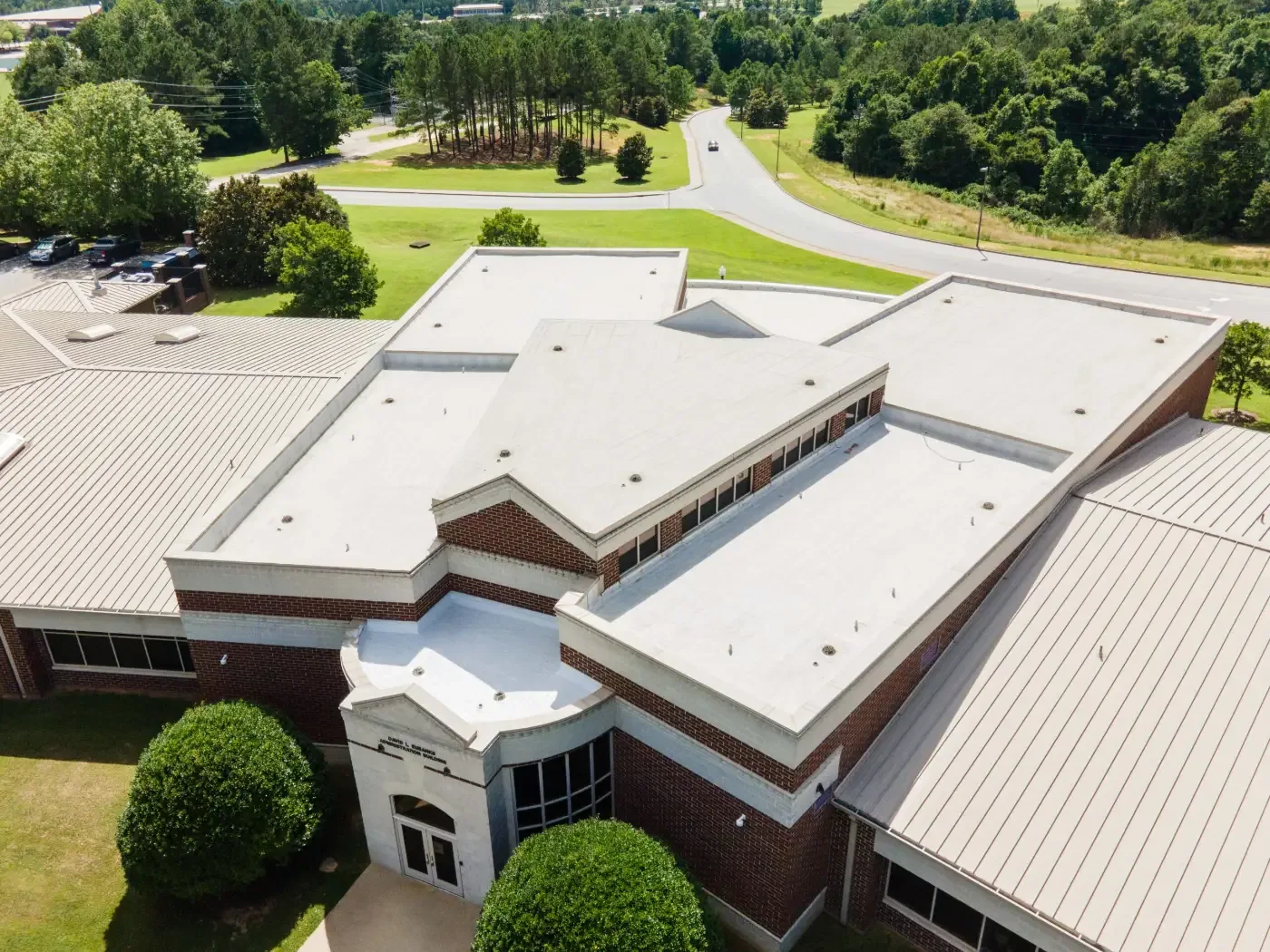
Roofing Capabilities · Garden Grove, CA
Commercial Roof Capital Planning in Garden Grove, CA
Commercial Roof Capital Planning
Plan Garden Grove commercial roof spending with current condition evidence, repair alternatives, approval timing, open assumptions, and phased project scopes.
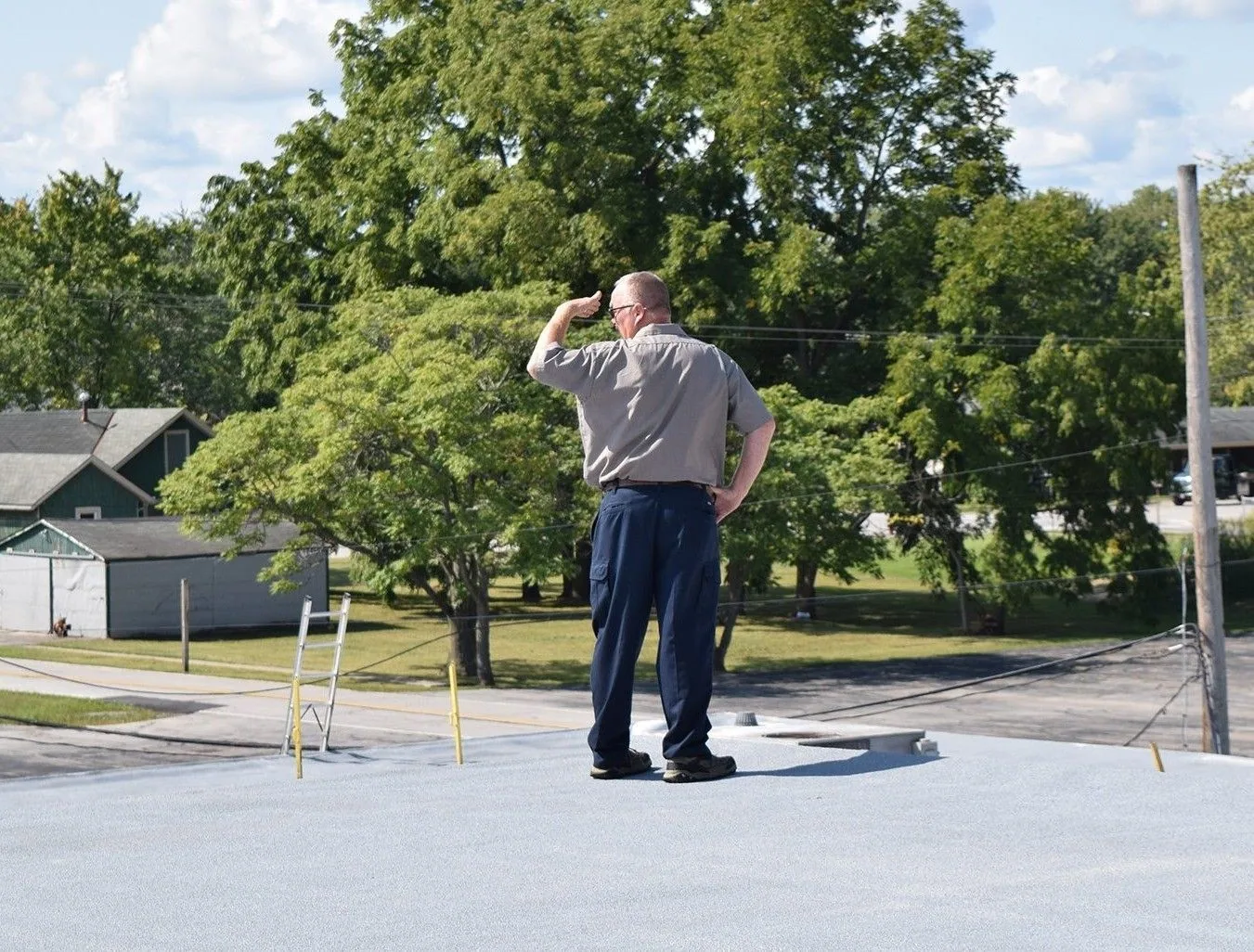
A roof capital plan should make the next decision easier to explain. It starts with current condition evidence, separates urgent water control from planned work, and shows which assumption could change the schedule or cost. An age estimate or old proposal can inform the conversation, but neither replaces an inspection of the roof as it exists now. We connect recommendations to roof zones, documented defects, operating constraints, and an owner’s timing so the plan has a clear basis.
Capital decisions often span several years and properties. A useful plan marks the difference between a confirmed repair, an allowance for concealed conditions, a preliminary replacement concept, and a project the owner has approved. It can compare options, but it should not give a precise service-life forecast when the assembly has not been tested. Keep unknowns visible and identify what inspection or design work would reduce them before the team relies on a budget number.
Garden Grove’s commercial, industrial, office, and mixed-use areas create different roof and operating conditions. The Garden Grove Industrial District and Harbor Boulevard Corridor are broad service areas; capital decisions should stay tied to each building’s evidence.
Refresh the Condition Before Ranking Work
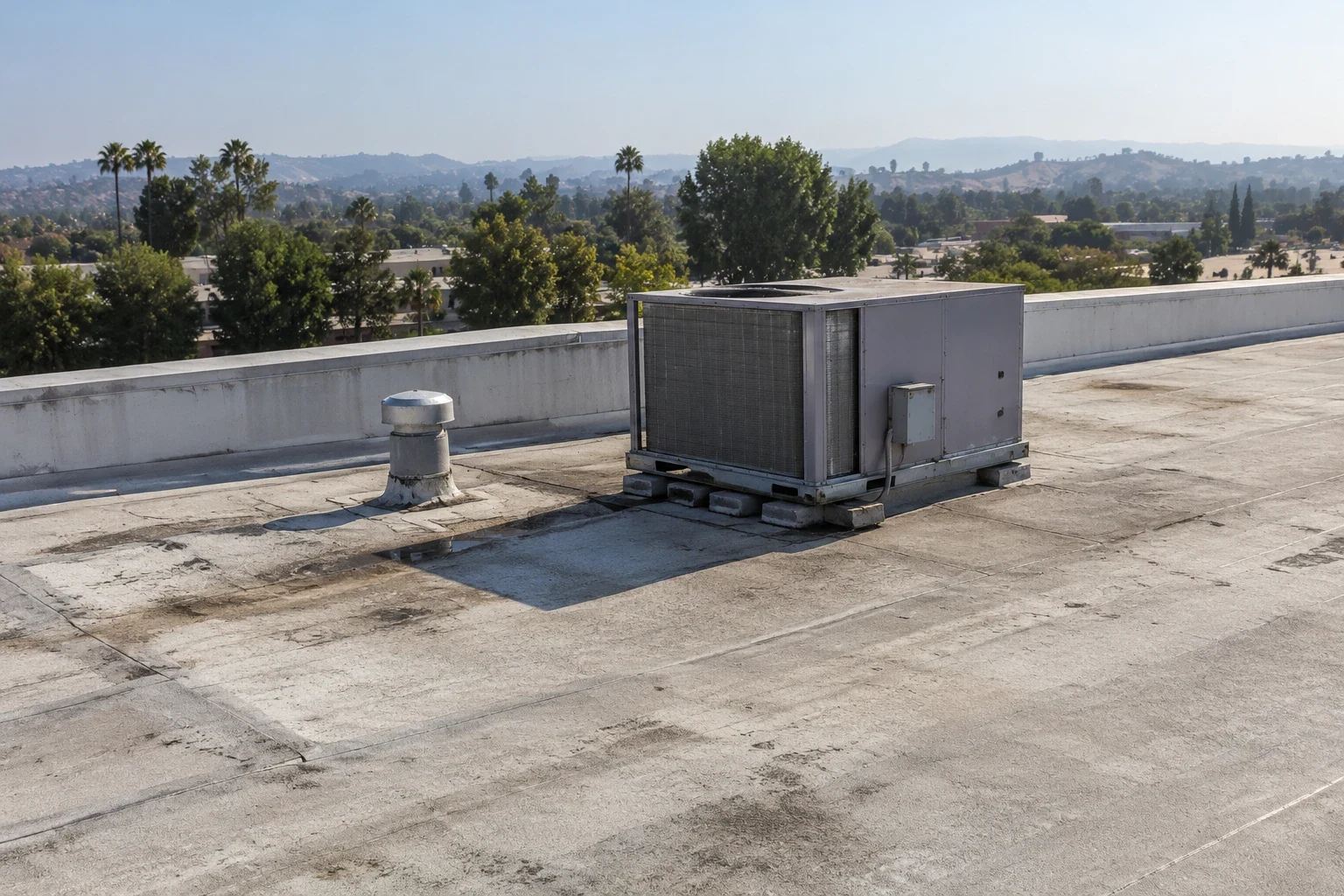
Collect roof plans, installation and repair records, warranties, leak reports, vendor changes, known access limits, and prior budgets. During the field review, identify roof sections, material, drainage, perimeter, penetrations, equipment supports, and areas that have not been reached. Record observations with dates and photographs. Where a recommendation depends on moisture, attachment, deck condition, or another concealed layer, state whether a test opening or specialist review is needed before the amount can be treated as a project estimate.
Prioritize work using findings the owner can verify: active water entry, exposed substrate, recurring repair locations, deteriorated edges, operational impact, and the risk of leaving a known opening untreated. A priority score can sort the portfolio, but it should not substitute for a scope. Separate immediate stabilization from a replacement concept and identify the action owner, approval stage, and date for the next decision.
A roof condition report can preserve the inspection evidence. A focused commercial roof inspection can refresh a particular roof section when the plan is based on older information.
Separate Repair Funding From Replacement Planning
A repair budget should name the defect, roof zone, material, access, and approved boundary. A temporary cover, permanent patch, and replacement project are different entries even if they address the same leak report at different stages. If removal could expose wet insulation or damaged deck, label that item as a contingency and define how the owner will review it. Avoid presenting a provisional allowance as confirmed work before the assembly is opened.
When replacement is under consideration, identify what the project assumes about existing layers, tear-off, deck repairs, edge metal, equipment movement, staging, waste, and protection below. A recover or coating may reduce removal in some conditions but can change height, drainage, transition details, and future access. Compare each option by scope, unresolved conditions, site disruption, and cost assumptions. The plan should leave a clear record of why the owner chose one phase and what remains for later review.
For timing across a property portfolio, a real-estate investor workflow can connect roof findings to ownership decisions. A commercial roof replacement scope should use current plans and field measurements rather than a preliminary budget assumption.
Build Scenarios From Defined Scope and Assumptions
Prepare scenarios only after the roof areas and likely work boundaries are identified. One option may correct an isolated detail, another may replace a roof section, and a broader alternative may address multiple buildings. For each, show materials, preparation, access, protection, equipment coordination, exclusions, and cost date. Keep contractor estimates separate from owner-approved budgets and work that has been completed.
Contingencies should relate to a real unknown, such as concealed insulation condition or deck repair after tear-off. State who will inspect that condition and how the owner will authorize added work. If an estimate depends on test cuts, design review, or a vendor shutdown, list that dependency before comparing the amount with a second option. Clear assumptions help the team revisit the plan when new evidence changes the order or scope.
Garden Grove’s building standards include California requirements and local amendments; confirm project-specific permits with city officials before setting a construction date. The roof asset record can hold the assumptions and approval status for each scenario.
Place Roof Work Into the Operating Calendar
A budget window is not the same as a workable construction window. Confirm roof access, occupied areas, deliveries, rooftop equipment vendors, loading routes, tenant notices, and seasonal business constraints before establishing phases. A project may need separate dates for testing, temporary protection, removal, inspection, and finish work. The owner or facility manager should identify who can approve a change when field conditions differ from the plan.
For multi-building work, define the sequence by roof zone and state what can proceed independently. If a site must remain open, set protection below the active area and agree on daily closeout. If work depends on a qualified mechanical or electrical trade, connect its schedule to the roof phase. Keep the estimate clear about night work, lifts, staging, escorts, and temporary access changes so those items do not appear later as unplanned assumptions.
A multi-site roof program can coordinate reporting and project windows. For occupied assets, occupied-building reroofing can help sequence construction work around building use.
Update the Plan When Work or Conditions Change
When a phase closes, update the plan with completed roof zones, installed materials, cost status, photographs, warranties provided, approved changes, and remaining conditions. Remove completed work from the pending list without deleting the inspection history that justified it. If a project is deferred, retain the observed condition, reason, next review date, and the person responsible for reopening the decision.
New leaks, equipment additions, tenant changes, and vendor repairs may alter the priority order. Refresh the relevant roof record before carrying a prior cost or schedule forward. If condition evidence is older than the planning cycle, schedule another inspection rather than presenting the old proposal as current. A plan should show when it was reviewed and which property details were confirmed at that time.
Garden Grove’s broad land-use mix does not make one roof representative of another. Keep the record origin, date, and roof zone with each cost scenario. The owner’s next capital action should follow building-specific evidence.
Commercial Roofing Questions
What should a roof capital plan include?
Include current inspections, roof-zone records, repair and replacement options, cost assumptions, operational constraints, approval status, contingencies, and a next-review date. Distinguish current evidence from estimates and completed work.
Can roof age alone determine the replacement year?
No. Age can help frame planning, but current assembly condition, repairs, moisture, drainage, and concealed layers affect the recommendation. Inspect the roof before relying on a replacement date.
How should emergency repairs appear in a capital plan?
Track temporary protection, permanent repair, and longer-range replacement separately. Record what is complete, what remains open, and how each amount was estimated.
Can a plan prioritize roofs across several properties?
Yes, using shared criteria such as active water entry, confirmed defects, operational exposure, and open decisions. Preserve site-level evidence and avoid treating similar buildings as having identical conditions.
How often should the plan be reviewed?
Review it after inspections, repairs, equipment changes, new leak reports, and budget updates. The owner should set a review cycle that fits the portfolio and update entries when supporting information becomes stale.
Plan your next roof capital decision
Share roof plans, current inspection records, repairs, access constraints, budget timing, and open questions. We can organize condition-based options and identify which decisions need a new field review.
Or call 555-555-5555 · [email protected]