Roofing Capabilities · Garden Grove, CA
Commercial Roof Asset Management in Garden Grove, CA
Commercial Roof Asset Management
Manage Garden Grove commercial roofs with consistent asset records, inspection history, repair priorities, open decisions, and capital planning.
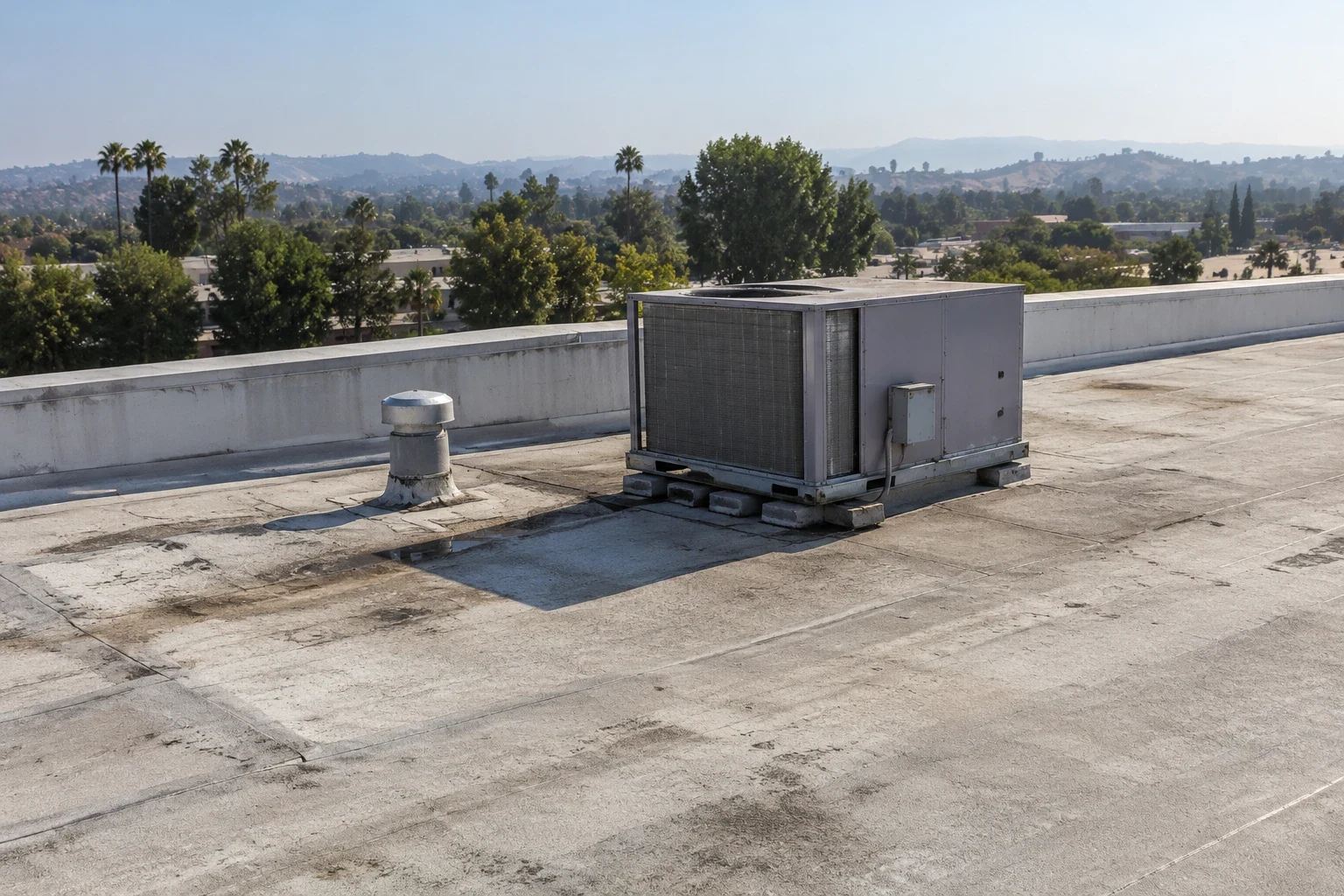
A useful roof asset record lets a facilities or ownership team answer four questions quickly: which roof is being discussed, what was observed, what work has been completed, and what decision remains open. Without that trail, a new leak report can be mistaken for a prior repair or an old estimate can be treated as a current condition. We organize roof information by property and roof zone, then connect the record to plans, photos, inspections, work orders, and approvals.
Asset management is a way to make maintenance history usable. It does not replace a field inspection or establish a remaining service life by itself. Each record should separate confirmed observations from planning assumptions, identify the date and origin of the information, and flag areas that have not been inspected. When the building changes, new equipment, a tenant alteration, a repair, or a reroof should update the roof file so future decisions begin with the latest confirmed detail.
Garden Grove includes commercial, industrial, office, civic, and mixed-use properties. The Garden Grove Industrial District and Harbor Boulevard Corridor provide local context, while asset data remains specific to the building and roof section.
Build a Roof Inventory That Can Be confirmed
Start with the property name, building identifier, roof plan, known installation or repair dates, system type, access rules, and warranty documents available to the owner. Divide the plan into sections that a field team can locate without ambiguity. At each inspection, record the date, observer, access limits, observed condition, photos, recommended next step, and whether the recommendation depends on testing. Mark unverified fields as unknown instead of filling them from a neighboring property or an old assumption.
Useful inventory details can include visible membrane or panel, drainage, edge conditions, penetrations, equipment supports, roof access points, prior repairs, and maintenance contacts. The record should distinguish the roof system from the work order used to inspect it. If a wing was inaccessible or the assembly is concealed, retain that limit next to the assessment so a future reviewer knows where evidence is incomplete. A map reference and photo label help another team find the same roof zone.
A roof condition report can preserve field observations; a commercial roof inspection refreshes them when a new concern or scheduled review calls for a site visit.
Track Work and Decisions by Roof Section
When a repair is approved, record its roof zone, scope, materials, contractor, schedule, approved changes, closeout photos, and open items. Keep temporary protection distinct from permanent repair and show which adjacent conditions were not part of the work. A future leak report can then be compared with the repaired area rather than being assigned automatically to the previous contractor or scope.
Prioritize requests with information the team can explain: active water entry, exposed material, repeated defects, access constraints, operational impact, and what additional review is needed. A score can organize a portfolio conversation, but it should not imply a measured roof condition if the building has not been inspected. Track the approval owner and next action for each item so an open recommendation does not disappear between budget reviews.
For renewal discussions, separate an estimate from the authorized project and the work completed. A roof capital plan can translate the inventory into timing scenarios after current conditions and cost assumptions are reviewed.
Connect the Condition Record to a Real Scope
A portfolio dashboard may group similar roof systems or recurring defects, but one field finding should not be copied across properties. A repair is appropriate only when the inspected assembly supports a compatible tie-in. Coating, recover, and replacement depend on different conditions and change the roof in different ways. Record which option was considered, the evidence behind it, the limitations, and what would alter the recommendation. If a decision depends on a test opening, attachment review, or manufacturer input, keep that dependency visible.
Separate immediate service work from longer capital options. A small leak correction can address a known opening while a broader condition review remains pending. Conversely, a replacement estimate should not be recorded as an approved asset improvement unless the owner has authorized it. Mark whether costs are preliminary, current, or based on a defined scope, and retain the date and assumptions used for comparison.
Garden Grove’s code framework uses California building standards with city amendments; project teams should confirm current permit requirements with officials for each scope. The roof coating restoration option should appear in the record only when the existing assembly has been checked for compatibility and moisture.
Make the Record Useful Across Departments
Facilities, property management, finance, tenants, and contractors may each hold part of a roof’s history. Name the origin of each record and route updates to the person responsible for maintaining the file. When a mechanical vendor adds a curb or line, attach the date, roof zone, and any flashing information available. During active work, note who approved access, how the crew closed the roof, and what remains with another trade.
Use a consistent handoff when management or maintenance responsibility changes. The incoming contact needs roof plans, access requirements, open service items, warranties, prior repair records, and the latest inspection date. A short index can identify missing information without implying that missing documentation proves a physical defect. If an access key, escort, or rooftop safety procedure changes, update that operational detail alongside the roof record.
For organizations managing more than one site, the multi-site roof program can align reporting fields. A property-management workflow can help connect roof updates to tenant and ownership communication.
Keep the Asset File Current After Each Visit
After inspection or repair, add the date, roof zone, photos, observed condition, completed work, material, approval, exclusions, and follow-up responsibility. Preserve the earlier record so the file shows how conditions changed over time. If no work was completed, say why: access was unavailable, testing is pending, a vendor must respond, or the owner deferred the recommendation. That clarity helps the next review start with the real status.
Review the inventory when a tenant changes equipment, a roof project closes, a warranty issue arises, or a new leak is reported. Update known facts but keep estimates and assumptions labeled. If the record shows recurring water, schedule a new inspection rather than using the dashboard alone to diagnose a cause. The roof file should help someone ask better questions and locate evidence, not present stale data as current.
Garden Grove’s mix of commercial and industrial property types supports a broad service area, but it does not make one roof representative of another. Keep the asset record tied to the building and the inspection that produced it. A Garden Grove roof assessment can refresh a specific property’s record.
Commercial Roofing Questions
What belongs in a commercial roof asset record?
Include the property and roof-zone map, system details, inspection dates, photos, repair history, warranties, access rules, open issues, approvals, and next actions. Mark unknown information instead of assuming it is current.
Can a dashboard tell me whether a roof needs replacement?
A dashboard can organize inspection and repair information, but it cannot confirm current concealed conditions. Use a field inspection and a defined scope before making a capital decision.
How often should roof records be updated?
Update them after inspections, repairs, equipment changes, leaks, warranty activity, and transfer of site responsibility. The owner’s review schedule should fit the building and maintenance program.
Can a contractor compare roof condition across multiple properties?
A shared format can make records easier to compare, but each property needs its own evidence, roof-zone map, assumptions, and recommendation.
How should open recommendations be tracked?
List the condition, supporting evidence, action owner, approval status, next step, and date for review. Keep a pending test or estimate separate from work that has been authorized and completed.
Organize your Garden Grove roof records
Share available plans, inspection reports, repair history, warranty documents, access rules, and open service requests. We can organize the information by property and roof zone and identify where a new inspection is needed.
Or call 555-555-5555 · [email protected]