
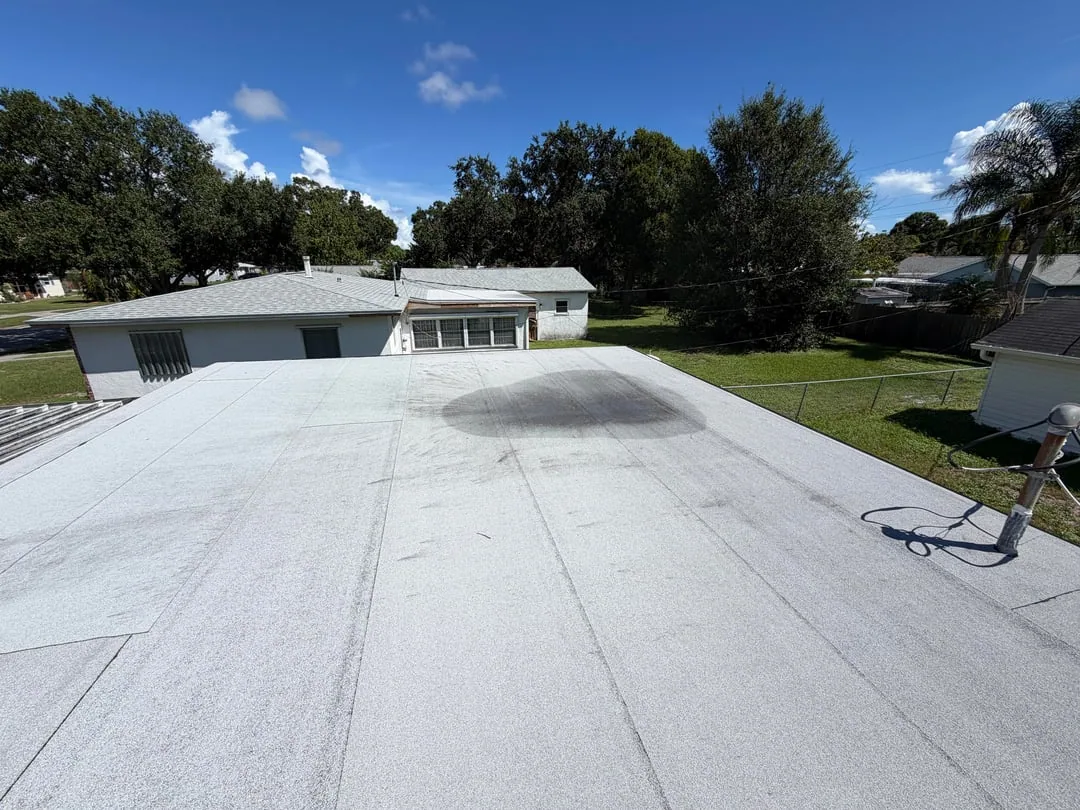
Roof Damage Repair · Garden Grove, CA
Ponding Water Roof Repair in Garden Grove, CA
Ponding Water Roof Repair
Investigate ponding on Garden Grove commercial roofs with drainage checks, roof-zone measurements, membrane review, and an evidence-based repair scope.
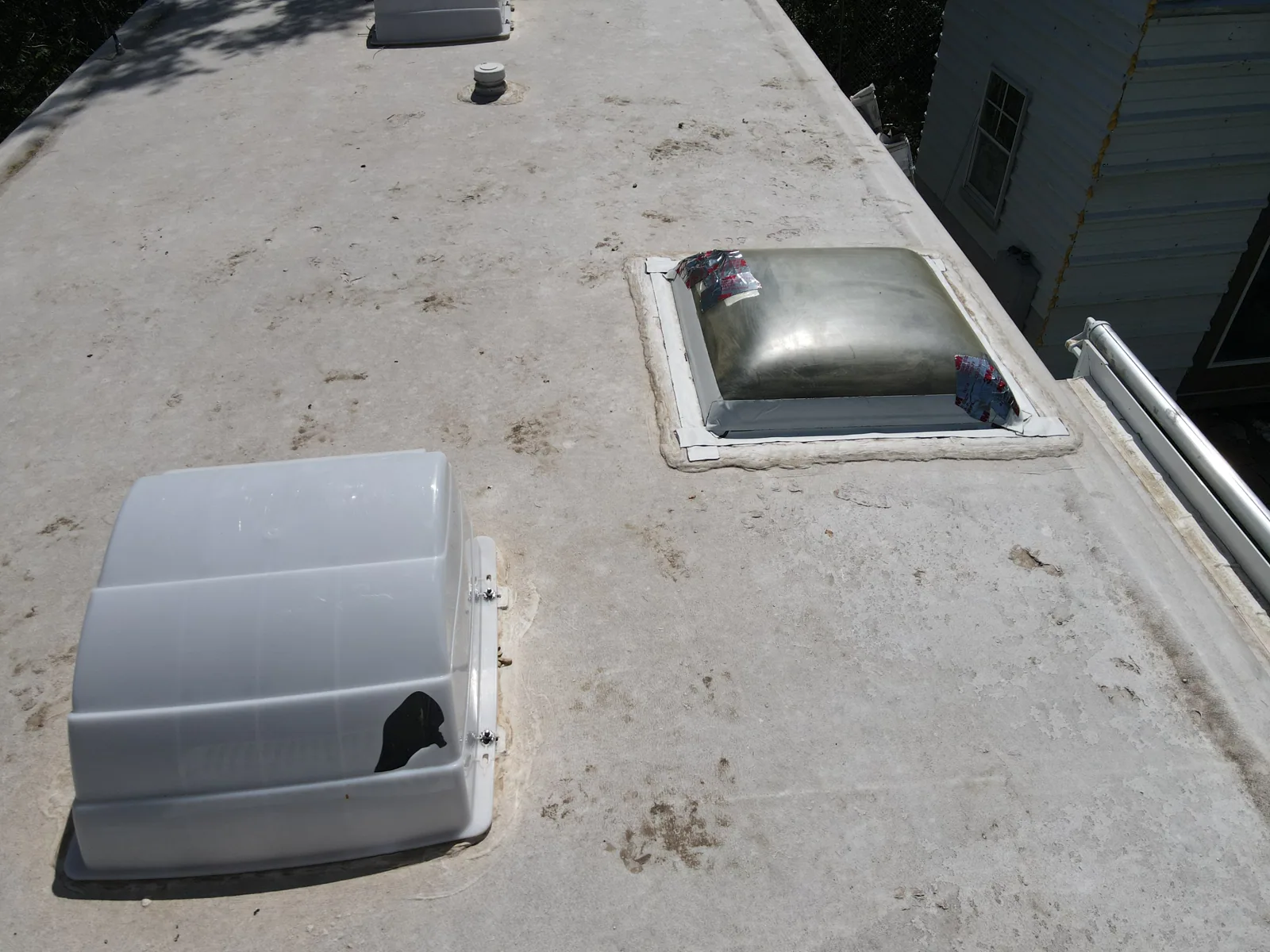
Standing water after rainfall can point to a blocked drain, a low area in the roof, a deflected deck, or a combination of conditions. The water line alone does not show which one is present. We inspect the drainage path, measure the affected area, and trace where the surface changes before recommending a repair. If the water remains after nearby drains clear, record the duration and conditions rather than assuming a coating or patch will correct the underlying cause.
A flat roof needs a defined route for water to reach drains, scuppers, or perimeter outlets. Debris, settled insulation, shifted equipment, or a damaged drain bowl can interrupt that path. The repair scope should separate maintenance work, membrane defects, and structural or design questions that need another qualified review. That distinction helps property staff choose a correction the roof can accept instead of hiding a low area beneath a surface layer.
Nearby Santa Ana Fire Station NOAA normals record higher regional precipitation in January and February than in August, which makes seasonal drainage checks useful context for Garden Grove roofs. The Garden Grove Boulevard Corridor includes mixed-use and commercial activity, but the roof’s measured slope and outlet condition determine the repair.
Trace Water From the Low Area to an Outlet
Record when the water was observed, approximate depth if it can be measured safely, the area it covers, recent weather, and whether nearby drains were clear. Photograph the low area from more than one direction and note its relationship to drains, scuppers, roof edges, supports, and interior leak reports. Check strainers and accessible outlets for debris or restriction without forcing material into the drain. A visible low spot can be a surface condition or a sign that the underlying roof plane has changed.
Inspect seams, membrane laps, flashing, drain bowls, sump areas, and transitions surrounding the pond. Look for open seams, soft substrate, displaced insulation, cracked coating, or a leak path at a nearby penetration. Do not treat water at a low point as proof that this is where it entered the building. If the deck slope or structural movement is in question, record the observation and request the appropriate design or engineering review before changing elevations.
A drain and scupper inspection can address outlet conditions. A broader commercial roof inspection can document seams and transitions around the affected zone.
Clear the Outlet Before Changing the Roof Plane
Start with an accessible maintenance correction when the inspection finds debris or an obstructed strainer. Confirm that water can reach and leave the outlet, then observe the low area under suitable conditions. If the drain body, leader, or connection is damaged, define which trade owns that component and whether access below the deck is needed. A roofing crew should not assume a clogged outlet is the only issue when water remains after the path is cleared.
If the surface has a membrane opening or damaged flashing, repair that detail with compatible material and a secure tie-in. Where water tracks beneath the roof or the insulation is wet, a localized top-side patch may not address the full condition. Mark the repair boundary, photograph exposed layers if authorized, and note where a test opening would change the recommendation. Do not raise a roof low point or add taper without confirming how the change affects drains, edges, door transitions, and equipment.
When a drain-to-roof transition has failed, flashing failure repair may correct the detail. If a ponding area follows a puncture or seam break, assess the separate membrane puncture repair or seam scope only after inspection.
Choose a Correction That Restores a Drainage Path
Drain cleaning, localized membrane repair, sump correction, tapered insulation, and full replacement address different causes. First determine whether the water has an open outlet and whether the surrounding surface directs it there. Tapered insulation can change the slope where the assembly and edge details permit it, but the design must account for added height and transitions. A coating may restore a suitable surface in limited conditions; it will not correct an unsupported low area or concealed moisture.
If water stays after the outlet is clear, compare the roof plane, membrane condition, insulation, and deck evidence before selecting the next step. A test opening may show whether insulation has shifted or absorbed water, while slope measurements can help distinguish a surface depression from a larger plane issue. If structural movement is suspected, involve a qualified designer or engineer. The roofing proposal should state what its work can correct and where another review is required.
The NOAA station’s monthly normals are regional climate averages, not predictions for an individual roof or storm. For larger work, a roof condition report can preserve measured observations and follow-up needs.
Plan the Work Around Weather and Interior Exposure
Before clearing, opening, or replacing material, confirm safe roof access, interior protection, storage for debris, and the person responsible for approving changes. If a facility is occupied, identify rooms below the affected zone and a contact who can notify staff if temporary access changes are needed. Keep the work area small enough to close at the end of the shift. If a test opening exposes wet insulation or deck damage, protect the roof and send the finding to the authorized owner before extending the scope.
Coordinate drain work with the trade responsible for downspouts, leaders, or below-deck plumbing. Confirm that a rooftop unit, line, or support does not block the intended drainage path. At closeout, document the outlet, repaired membrane, transition, and how water moves away from the affected area. Follow-up observation after suitable rainfall can help confirm that the correction behaves as expected, but it does not replace inspection of any new leak report.
When a broader area needs temporary protection, emergency roof repair can secure an active opening. A confirmed seam issue may also require a separate seam failure review.
Keep Drainage Findings With the Roof Plan
Closeout should identify the property, low area, outlets checked, obstruction or damage found, repair boundary, materials, photographs, and any condition left open. Note whether the drain correction was performed by the roofer or another trade. Add measurements and the date to the maintenance record so future inspections can compare the same area. If water returns, use the new observation and weather record to determine whether the outlet, roof plane, or a nearby detail needs another review.
Maintenance staff can check strainers, drains, scuppers, seams, and debris after roof work or seasonal changes. Roof access should follow the property’s safety and vendor procedures. Garden Grove’s winter precipitation normals make advance outlet checks reasonable, but actual site conditions should drive action. Do not wait for an annual review when water remains on the roof or appears inside the building.
The Garden Grove service area covers a mix of property types. Keep each roof record tied to its own assembly and outlet layout so a drainage condition at one building does not become a conclusion about another.
Commercial Roofing Questions
How long can water remain on a commercial roof?
The observed duration should be recorded with weather and roof conditions. A persistent low area may need drainage or slope investigation; do not assume a fixed time threshold identifies the cause.
Will a coating eliminate ponding water?
Not by itself. The outlet, roof plane, substrate, and moisture condition need review first. Coating should be considered only when the material and surface are suitable and the drainage issue is addressed.
Should I clear a blocked roof drain?
Only if staff are authorized and can reach it safely under the property’s roof-access rules. A qualified contractor can inspect the outlet and note whether obstruction, damage, or a separate roof condition is present.
Can ponding water cause a leak?
It can expose a weak seam, penetration, or flashing detail, but standing water alone does not identify the entry point. Inspect nearby roof details and compare them with interior reports.
What if the roof deck appears to sag?
Keep people clear of the affected area and contact the property representative. A qualified structural professional should review possible deck movement before roofing work changes the roof plane.
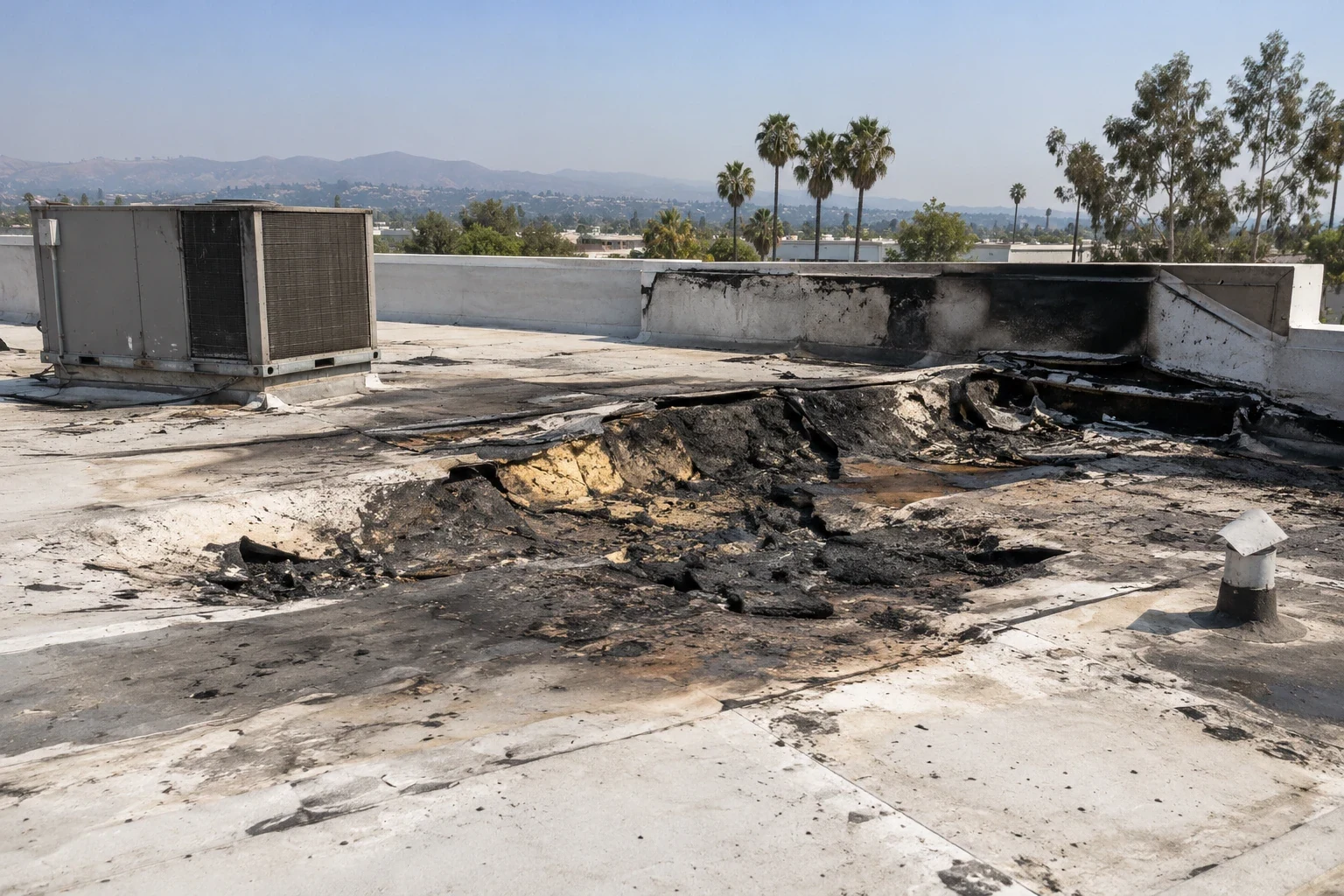
Inspect a ponding-water area
Share the date and duration of the standing water, recent weather, roof plan, nearby drain locations, and any interior report. We can document the drainage path and identify the repair boundary.
Or call 555-555-5555 · [email protected]