Roofing Manufacturers · Garden Grove, CA
Soprema Commercial Roofing in Garden Grove, CA
Soprema Commercial Roofing
Compare Soprema roofing options in Garden Grove, CA. We inspect the existing assembly and substrate before defining a compatible repair or restoration scope.
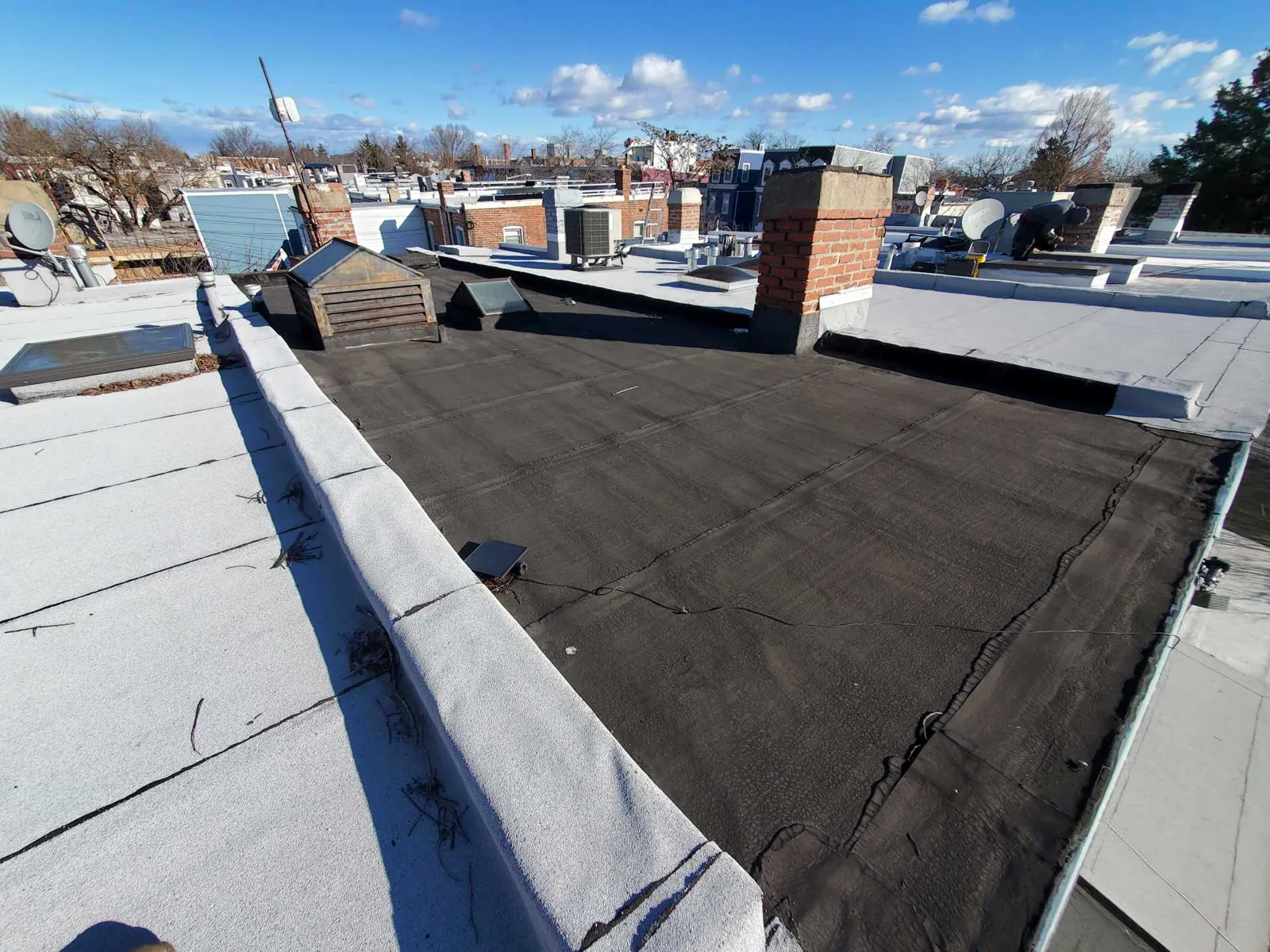
A granular cap sheet, a liquid flashing, and a PVC membrane can all appear in a Soprema submittal, but they solve different roof conditions. Start by identifying the installed layer and the surface that must receive the new work. We inspect laps, transitions, drains, and prior repairs, then set a boundary where the next material can bond or weld to sound, prepared substrate.
Soprema’s commercial roofing range includes SBS-modified bitumen, liquid-applied PMMA or PMA materials, and single-ply PVC. Each system has its own preparation, application, and transition requirements. In Garden Grove, the decision also has to account for the roof’s drainage, equipment, occupancy, and seasonal protection needs. We use available records as a starting point, verify the assembly in the field, and explain which repair, restoration, or replacement option the condition supports.
Separate the Roof Layers Before Repairing Them
Multiple-ply roofs can conceal a prior recover or a patch that bridges materials from different projects. Identify the cap sheet, base plies, flashing, cover board, and attachment where visible. For a liquid-applied detail, confirm the substrate and reinforcement method as well as the transition to the field membrane. A product family name is not enough to establish compatibility. We record visible layer changes and note where a test opening or product record is needed before materials are ordered.
The Brookhurst and Chapman specific-plan area covers a compact commercial district with office-financial, office-entertainment, and shopping designations. Those property uses make access, tenant protection, and staging relevant, but they do not establish the roof assembly. At a building in that area, map the roof zones, drain path, equipment, and public-facing edges. Then connect a leak report to the condition above it instead of assuming that every stained ceiling points to the nearest seam.
Prepare the Receiving Surface
SBS-modified bitumen repairs depend on the existing membrane type, application method, surface finish, and compatibility of the materials being joined. Granules, oxidized bitumen, moisture, and old coatings can change how a new ply bonds. We remove only what the approved repair requires, prepare the receiving area, and carry the new detail far enough to reach stable material. If a concealed layer is wet or detached, the repair boundary should include the affected area rather than covering it.
Liquid-applied PMMA or PMA details require clean substrate, specified primer where needed, proper reinforcement, and enough cure time before exposure. We inspect corners, drains, penetrations, and changes in plane because those locations concentrate movement and water exposure. Penetration flashing work must match the system already installed and the detail geometry. When a repair opens the assembly, photograph the transition before closing it so the owner has a record of what was retained and what was replaced.
Compare Modified Bitumen, Liquid, and PVC
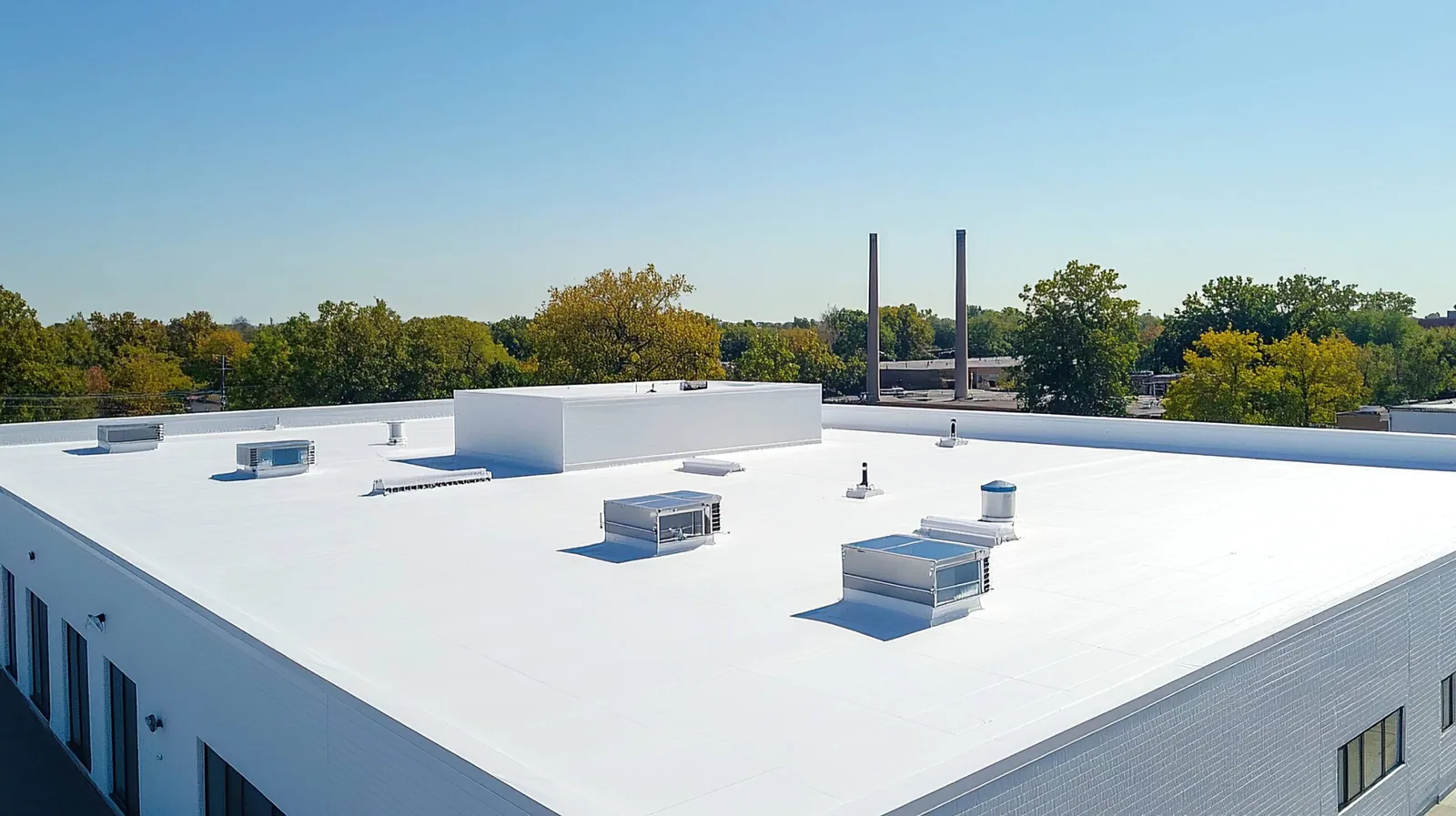
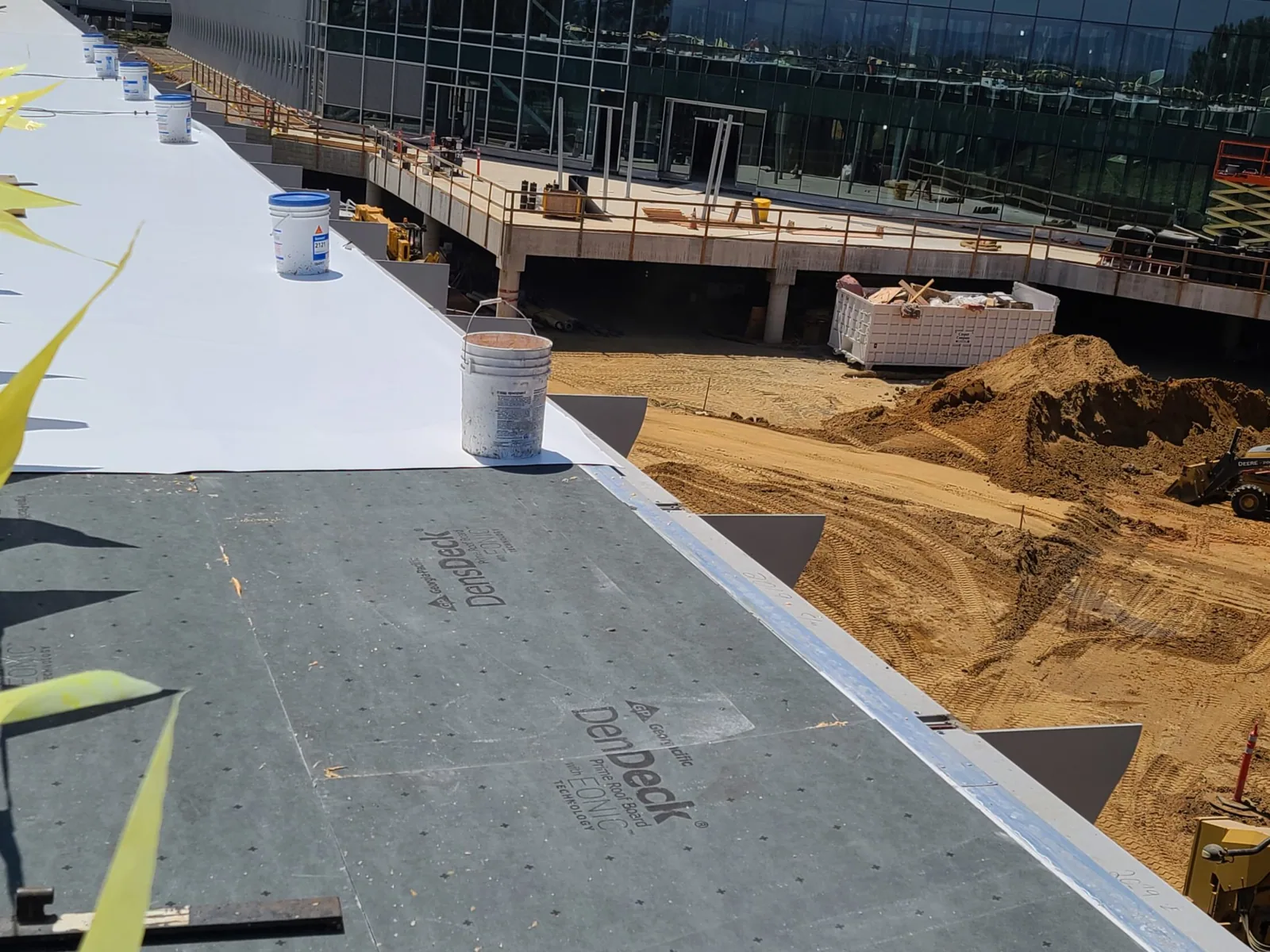
A multi-ply SBS assembly has layered redundancy, but its performance depends on laps, flashing, attachment, and drainage. A PMMA or PMA detail can form a liquid-applied transition when the substrate and system design allow it. PVC single-ply relies on welded seams and compatible flashing components. The owner should compare these systems in the context of roof condition, deck, slope, access, and maintenance needs. A liquid product does not make a wet or unstable substrate serviceable, and a new sheet membrane cannot correct a blocked drain by itself.
Garden Grove’s Harbor Boulevard Corridor includes commercial, office-professional, and transition areas within a broad planning district. These buildings may have different hours and roof access, while the technical choice remains tied to the assembly. We can review modified bitumen roofing alongside PVC systems or a compatible roof coating when restoration is under consideration. A coating must be matched to the existing surface and preparation requirements, then evaluated against drainage and retained roof life.
Control Heat, Odor, and Temporary Exposure
Some bituminous work uses heat or other application methods that require specific fire controls, while liquid products have their own ventilation, handling, and cure requirements. Before mobilization, determine the occupied spaces below, nearby air intakes, hot-work permit process, and access route for materials. Assign a site contact who can approve shutdowns or temporary restrictions. If a section is opened, have the dry-in plan and weather watch ready before removal starts, then check that the area is secured before the crew leaves.
Downtown Garden Grove’s planning framework includes Main Street, civic uses, office, and commercial districts, with public connections that can affect pedestrian routing and deliveries. For an occupied property, we identify entrances, business hours, loading needs, and any shared access before setting the work sequence. A roof plan can show which zone is active each day, while a notice to tenants should describe the actual area and timing. Those steps keep a material choice from being separated from the practical conditions required to install it correctly.
Document the System That Remains
Closeout should identify the products used, substrate preparation, reinforcement or flashing details, repair boundaries, and any limits on access or testing. Include a roof-zone reference with close and wide photographs. If the work connects a liquid-applied detail to a sheet or bituminous field, show that transition clearly. Retain product data and installation information with the property’s roof plan. Later maintenance can then focus on the repaired boundary and compare new observations with the conditions recorded before the work.
NOAA normals at the nearby Santa Ana station show winter months with more precipitation than August, when the normal is zero. Before the wetter period, clear drains and scuppers, inspect low points, and verify temporary protection around open work. Record which outlets serve the repaired zone so follow-up crews can find them quickly. A Brookhurst-Chapman commercial-area roof review can include this seasonal check while keeping each building’s findings separate. For a product comparison, Carlisle SynTec systems and Sika Sarnafil membranes can be measured against the same substrate, access, and drainage requirements.
When maintenance is performed, record what was cleaned, resealed, or replaced and whether the underlying condition was visible. A log that distinguishes observation from completed repair helps prevent a new coating or sealant from hiding an unresolved movement or moisture issue. Schedule a follow-up when the original defect involved concealed material or a transition with continuing equipment activity.
Commercial Roofing Questions
Which Soprema product type is on my roof?
We compare records and product markings with the installed layers and visible details. If a repair or coating hides the original material, we state what can be confirmed and whether a test opening is needed before selecting compatible work.
Can an SBS membrane be repaired with liquid-applied flashing?
That depends on the specific substrate and approved transition. We check surface condition, primer needs, reinforcement, geometry, and cure requirements before including a liquid detail in the scope.
When is a coating a reasonable alternative to replacement?
The retained assembly must be dry enough, stable, compatible, and properly drained. We inspect and test as needed, then explain whether a coating can address the surface condition or whether defects below it call for removal.
How should hot-work or liquid application be planned in an occupied building?
Review permits, air intakes, ventilation, access, fire controls, cure conditions, and temporary protection before scheduling. We coordinate those controls with the facility contact and identify the areas that need notice or restriction.
Does the Harbor Boulevard plan tell you what roof is installed?
No. It describes a broad mix of commercial and office uses. We use that setting to plan access and occupant coordination, then verify the membrane, layers, drainage, and details at the actual property.
Arrange a Soprema roof walk in Garden Grove
Share product records, the roof plan, repair history, and access limits. We will verify the existing layers and prepare a repair, restoration, or replacement scope around the substrate and details.
Or call 555-555-5555 · [email protected]