Roofing Manufacturers · Garden Grove, CA
Sika Sarnafil Roofing in Garden Grove, CA
Sika Sarnafil Roofing
Assess Sika Sarnafil PVC roofing in Garden Grove, CA. We inspect welds, attachment, transitions, and drainage before defining repair or replacement work.
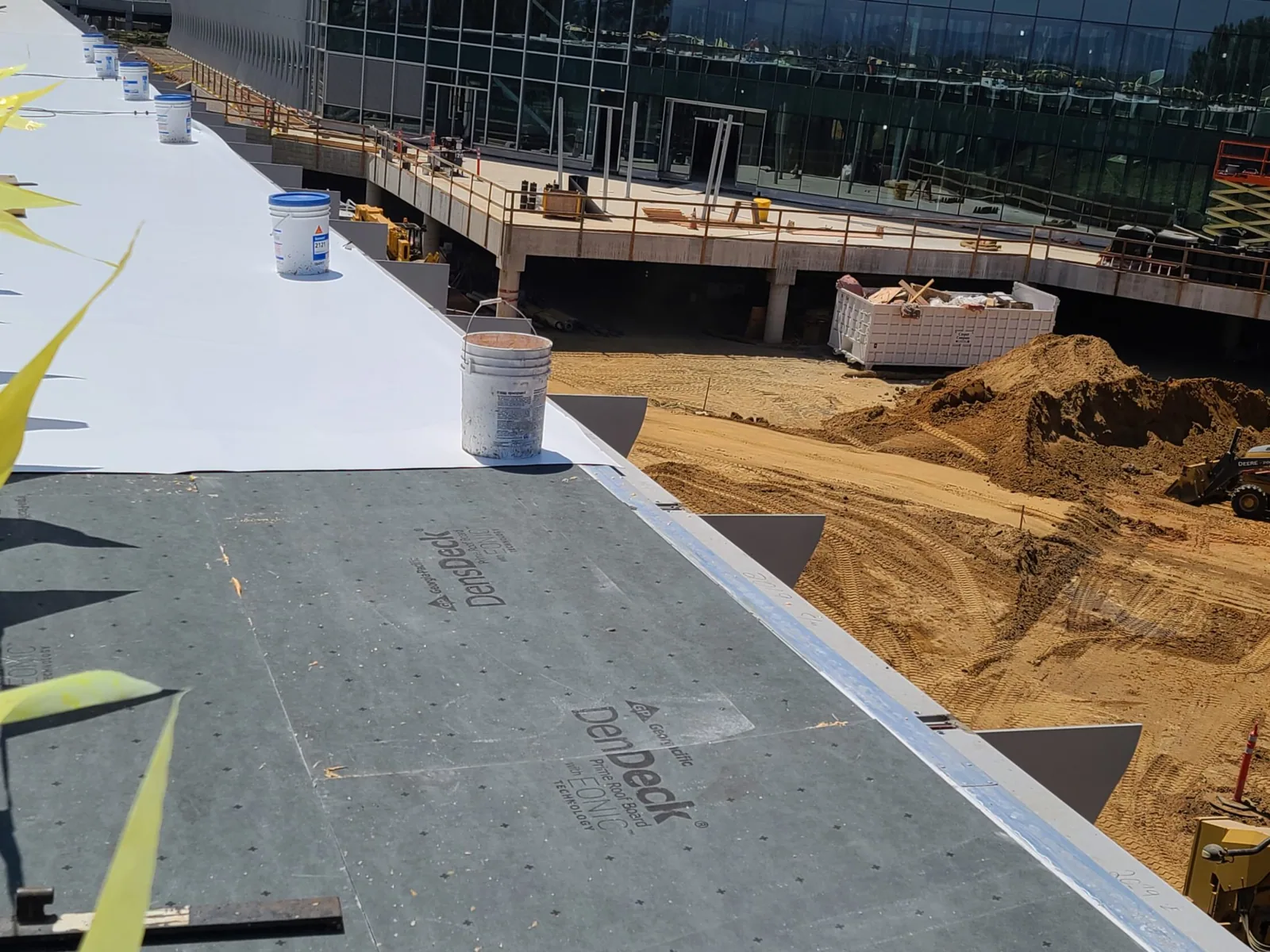
A hot-air weld can look continuous while a corner or termination nearby has started to pull away. We inspect the seam, adjacent sheet, substrate, and next transition together, then decide where a repair can tie into sound material. On an existing Sika Sarnafil roof, the membrane series and attachment method matter because adhered and mechanically attached assemblies transfer movement differently through the field and perimeter.
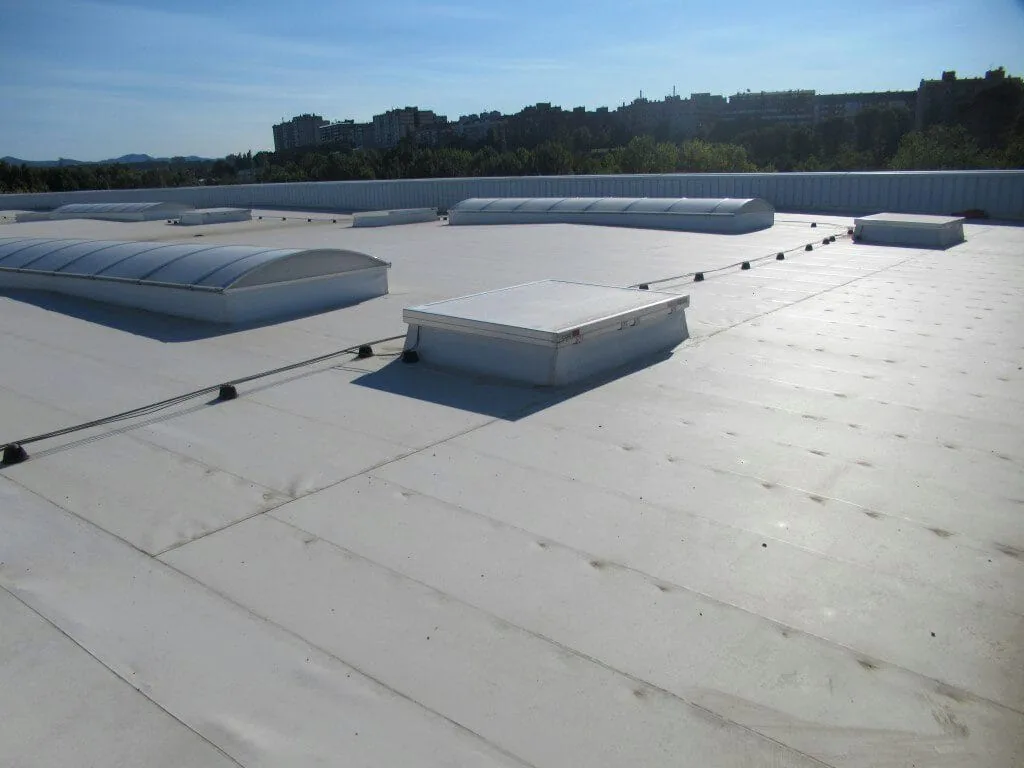
Sika Sarnafil offers reinforced PVC roofing membranes in configurations for different attachment conditions. In Garden Grove, that system choice has to meet the roof plan, deck, drainage, exposure, building use, and the detail receiving the new work. We confirm those conditions from records and a roof walk before recommending a patch, recover, or replacement. A specification is useful only when it matches the actual field assembly.
Identify the Membrane and Its Attachment
Begin with the membrane marking, submittals, and available warranty documents, then verify the product and installation at the roof. Sika describes Sarnafil G membranes as fiberglass-reinforced and intended for adhered applications, while its S series uses polyester reinforcement for mechanically attached systems. Those are not interchangeable repair surfaces. Record the sheet, seam orientation, fastener or adhesive pattern, cover board, and any later overlay before selecting the method for a failed lap or penetration.
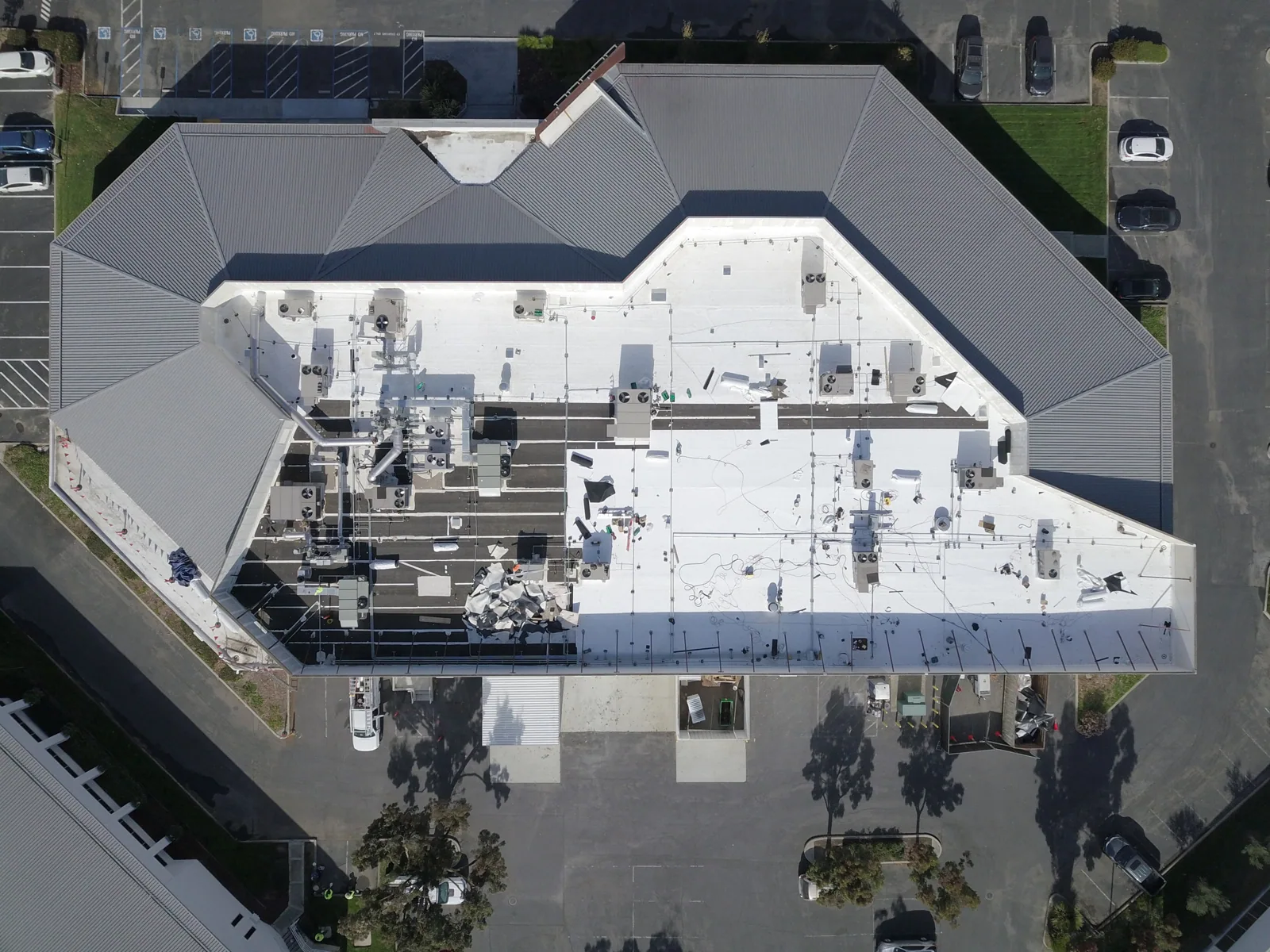
The Harbor Boulevard Corridor Specific Plan spans a broad commercial axis in Garden Grove and distinguishes commercial, office-professional, and transition areas. Those settings can involve different roof access and occupant needs, but the building-level review remains decisive. We map roof zones, equipment, drains, and edges, then tie each observation to the property’s records. A diagram should show which side of the roof was inspected and where a seam or wall termination crosses into another assembly.
Test Welds and Detail Transitions
PVC seams are joined with heat, so the quality of a repair depends on a clean surface, a controlled weld, and enough sound membrane to carry the patch. Probe suspect laps where appropriate and look for contamination, wrinkles, fishmouths, open corners, or prior repairs that have changed sheet thickness. At a curb, check whether flashing turns up high enough, terminates securely, and sheds water toward the field rather than into an exposed edge.
A repair should follow the observed failure, not simply repeat the shape of an old patch. If a leak appears below a wall, trace the path through the roof-to-wall transition, counterflashing, and nearby drain route. We identify where the PVC remains sound and where removal is needed to reach a stable tie-in. Commercial roof repair can remain localized when surrounding material and substrate support it; if testing finds wet insulation or movement across a larger zone, the boundary must expand with the evidence.
Compare the System With the Roof Beneath It
Sarnafil assemblies can be mechanically attached or adhered, with product selection tied to approved substrates and project requirements. Review deck type, insulation, cover board, slope, perimeter securement, and design uplift criteria as one assembly. A membrane specification alone does not define the fasteners, adhesive, seams, flashing, or metal edge. If an owner is considering a recover, confirm the existing roof layers and moisture condition before placing another system over them.
A PVC roof system has different welding and flashing practices from a TPO assembly or EPDM roof. We compare those systems only after identifying the conditions at the building. The Brookhurst-Chapman commercial area includes office-financial, office-entertainment, and shopping uses; these property types can make access and interior protection part of the choice. That planning context does not establish a particular building’s roof, so we keep the recommendation tied to inspected materials and documented operations.
Protect Occupied Areas During the Work
Adhered PVC work may involve bonding materials and surface preparation, while mechanical attachment requires access to fasteners and securement details. Set the material staging zone before removal; keep the agreed loading path and critical doors clear, and coordinate any equipment shutdown with the site contact. Protect the area below any open roof zone and have the temporary dry-in materials ready before removing a membrane section. An occupied building needs a sequence that holds if a delivery, weather change, or concealed condition alters the shift.
Garden Grove’s commercial framework names Harbor Boulevard, Beach Boulevard, Brookhurst Street, Chapman Avenue, Euclid Street, and Valley View Boulevard among important streets. A site near a busy corridor may need delivery timing and pedestrian protection coordinated with its manager. We confirm the roof access route, fall-protection conditions, equipment clearances, and any tenant notice requirements before mobilization. The crew then works within the agreed zone, protects completed areas, and records any condition that requires owner review before the scope changes.
Leave a Record of the Finished Weld
After a repair, inspect the welded tie-in and the adjacent sheet, then photograph the completed detail from both close range and a wider roof reference. Note membrane type, repair materials, surface preparation, and any limit on the area examined. If a section is replaced, mark where the new assembly begins and how it terminates at the retained roof. Keep these records with the roof plan and prior leak history so the next inspection can distinguish a new concern from the original failure.
Garden Grove’s nearby Santa Ana station normals show the wetter period falling in winter, with January and February precipitation higher than August. That is regional context rather than a roof-specific forecast. Before the rainy season, clear debris and confirm that drains and overflow paths can carry water past wall flashings and repaired seams. A Harbor Boulevard Corridor roof assessment can include that drainage review for properties within the district, while the building’s actual slopes and outlets determine what work is needed. For a contrasting product family, Carlisle SynTec systems or GAF roofing options should be compared against the same assembly criteria, not just color or manufacturer name.
Where the existing PVC remains serviceable, periodic roof walks should revisit the same seams, terminations, and drainage points recorded at closeout. Note a changed curb, rooftop service path, or new equipment load as it appears. A repair log is more useful when each entry identifies the roof zone and the detail involved, rather than only the date or contractor. That record helps the property team connect later symptoms with the actual work history.
Commercial Roofing Questions
Which details help identify a Sarnafil membrane before repair?
We compare product markings and project records with reinforcement clues, attachment pattern, seams, and details visible at the roof. When the evidence is incomplete, we describe that limit and verify the system before choosing a repair method.
Can a failed PVC weld be repaired without replacing the whole roof?
A local correction is possible when the surrounding membrane and receiving surface remain sound. We test the area, prepare clean material, and extend the patch far enough to make a durable tie-in; broader movement or wet insulation changes the scope.
What does an adhered versus mechanically attached system change?
It changes how the membrane transfers loads and how a repair reaches the substrate. We review the deck, securement, perimeter, and approved assembly before specifying the attachment or repair detail.
Does the Harbor Boulevard location determine which PVC system fits?
No. The corridor plan describes surrounding land uses, not a specific roof. We use the local setting to plan access and occupied-area protection, then base system recommendations on the property’s deck, exposure, drainage, and current assembly.
What should be recorded after a Sarnafil repair?
Keep a marked roof plan, close and wide photographs, the membrane and repair materials used, and any concealed conditions discovered. This gives the next inspection a clear baseline for the seam and its receiving details.
Arrange a Sika Sarnafil roof walk in Garden Grove
Bring the roof plan, submittals, leak history, and access requirements. We will verify the PVC assembly and inspect its welds, edges, and penetrations before setting the repair or replacement boundary.
Or call 555-555-5555 · [email protected]