Commercial Roofing Services · Garden Grove, CA
Commercial Storm Damage Roof Repair in Garden Grove, CA
Commercial Storm Damage Roof Repair
Storm damage roof repair in Garden Grove, CA documents visible movement, active leaks, and permanent work needed after safe stabilization.
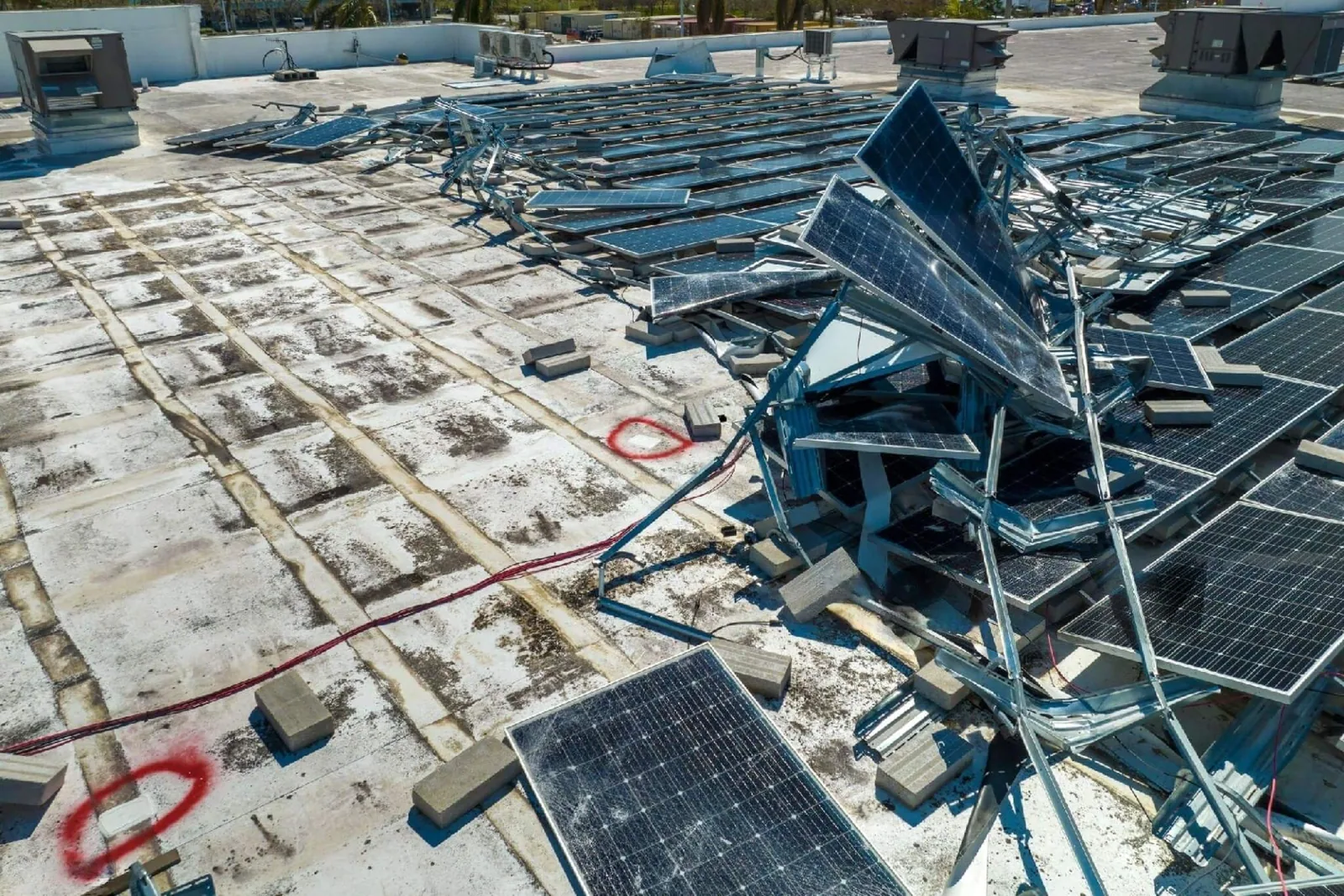
After a storm, a loose edge or displaced flashing may be easier to spot than the path water took below the roof. We assess commercial storm damage in Garden Grove, CA by recording visible conditions, checking likely entry details, and protecting active interior exposure. The inspection distinguishes fresh impact or movement from older wear and prior repairs. We document what can be observed safely, identify areas that need testing, and set an initial repair boundary. That gives the property team evidence to stabilize the building and plan permanent work without treating every stain or surface mark as storm-caused damage.
Record the Condition Before Debris Moves
We photograph the roof before loose material is cleared when it is safe to do so, then inspect edge metal, seams, penetrations, rooftop equipment, drains, and nearby flashing. A displaced termination may expose insulation; a puncture can admit water even if the surrounding field looks intact. We note the location and extent of each visible condition and compare it with interior reports or earlier roof records supplied by the owner. If access is unsafe, the report says what could not be reached. Aerial images may help document broad field conditions, but they cannot establish damage beneath the membrane.
Garden Grove includes commercial, office, industrial, and mixed-use property. The city's district description identifies manufacturing activity along Knott Street and Western Avenue; in those settings, debris or water entry near rooftop equipment may affect operating areas. Along Garden Grove Boulevard, mixed commercial and office uses can put public-facing rooms below the roof. We confirm each site's reported event and affected use with the owner. Local facts provide context, while damage attribution follows the available before-and-after evidence and physical findings.
We preserve the distinction between debris that has been moved, a surface that has been cleaned, and material that may have been displaced. If a second roof area is not accessible during the first visit, it remains a separate inspection item rather than an assumption drawn from the visible section.
Separate Immediate Stabilization From Permanent Repair
If water is entering, we protect the interior and stabilize the roof where safe. Temporary cover, drain clearing, or a secured flashing can limit exposure, but the owner needs to know what was temporary and when permanent work can proceed. We mark damage that is visible and list concealed areas that need a controlled opening. If removal exposes wet insulation or a damaged deck, the repair boundary expands only after the owner receives the finding and approves the change. The closeout includes photos of the stabilization and the remaining work. The site contact can approve the order of repairs once the changed boundary and its documentation are clear.
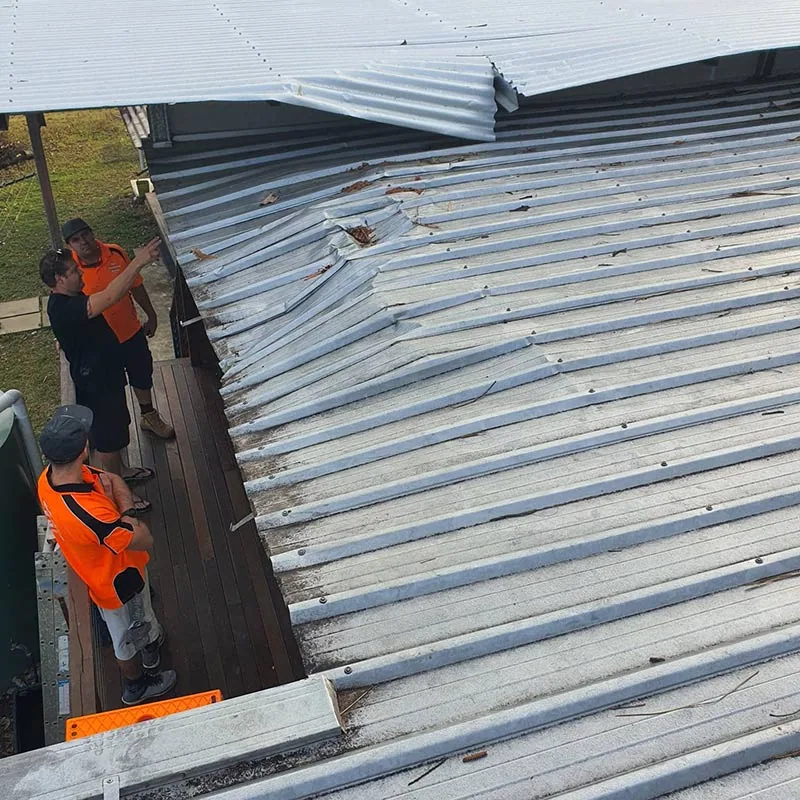
A storm-related opening may call for a wind-damage repair, a flashing correction, or a broader roof repair. If multiple zones show widespread membrane failure, we compare repair with replacement after moisture and substrate conditions are confirmed. We keep unrelated wear separate in the estimate so the owner can distinguish the observed storm condition from maintenance items that predate the event.
For each stabilization, we record the fastening points and the surface that received the temporary material. That detail helps the permanent crew remove the cover without damaging an adjacent membrane and shows the owner which location still needs a complete tie-in.
Match the Repair to the Existing Assembly
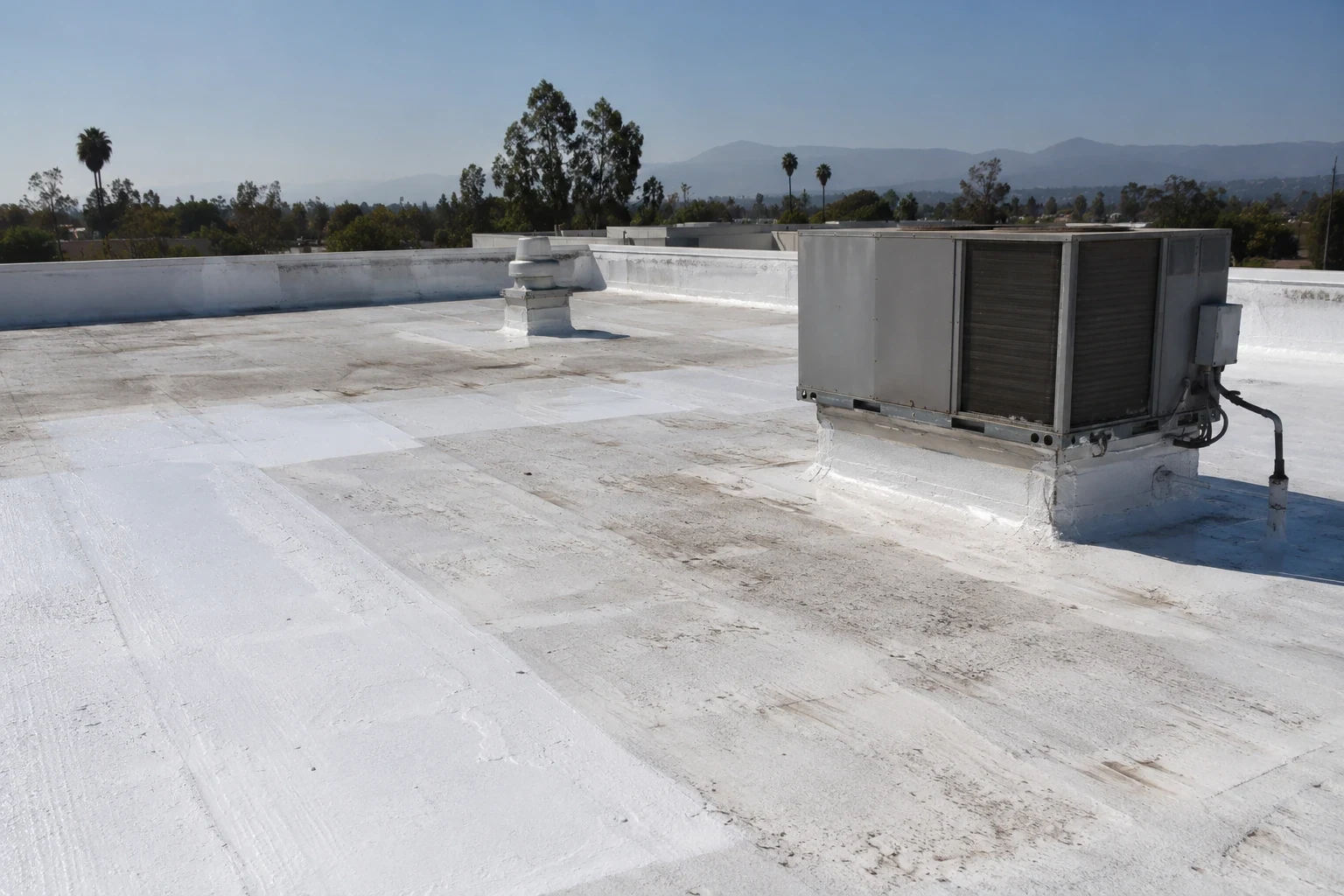
The temporary and permanent materials must suit the roof system. A welded thermoplastic membrane, adhered EPDM, metal panel, or asphaltic roof each needs a compatible repair method. We identify the assembly from accessible seams, records, labels, and test openings when needed. The permanent scope specifies surface preparation, tie-in, flashing, fastening, and protection for any exposed deck. We avoid coating over a new puncture or using a generic sealant where movement or water pressure requires a designed detail.
The City's Title 18 modifies California's 2025 building code. For the proposed work, we check with the building official to determine whether a permit or inspection applies. A TPO repair differs from a metal-panel correction at seams, fasteners, and expansion. The material decision follows the confirmed roof type and damage boundary. The estimate also lists any testing, dry-in conditions, and concealed-repair allowances needed before work starts.
Coordinate Evidence, Safety, and Building Use
Storm response involves more than the roof crew. We confirm safe access, affected rooms, equipment shutdowns, and whether another trade must inspect electrical or structural conditions before roof work proceeds. The property contact can preserve interior photographs, event timing, and repair invoices. We keep the work zone clear, document debris and temporary measures, and schedule permanent installation when the substrate and weather allow it. If materials or access cannot be secured, the report identifies the interim protection and the next inspection point. The building contact identifies pedestrian paths and delivery times and names who can approve a temporary closure if weather changes.
At an auto-service property, we confirm whether customer vehicles or service bays need a protected detour before setting lift and material routes. A emergency response can stabilize active entry, while an occupied-site sequence keeps public and tenant routes separated during permanent work.
Keep the Evidence With the Repair Record
We close with dated photographs, a marked roof zone, materials installed, and the final repair boundary. The record states whether the scope included temporary stabilization, removal of wet material, flashing replacement, or only a surface correction. If an area remains unverified, we identify the test or access needed. This helps the owner compare the repair with the reported event and preserve documentation for future maintenance or claim review without adding unsupported conclusions.
After permanent work, a maintenance check can inspect drains, edges, and new roof penetrations for changes. If moisture appears again, compare the new report with the event photos and repair limits; a separate leak path may need investigation. We can prepare a follow-up roof inspection or a broader repair proposal once the building is dry and access is safe. The next step should address a documented condition, not repeat temporary materials over an unresolved opening.
Commercial Roofing Questions
What should we document after storm damage?
Keep the event date, interior water locations, photos, temporary measures, access restrictions, and prior roof records. We photograph visible roof conditions before moving debris when safe, then record what was repaired and what remains concealed. Avoid describing an interior stain as proof of a specific roof component failure.
Can you make the roof watertight the same day?
The crew can assess whether a safe temporary measure or permanent repair is feasible based on access, weather, material availability, and the condition beneath the opening. We state whether the work is temporary and what remains to verify. A concealed wet area may need drying or removal before permanent materials can be installed.
How do you tell storm damage from older roof wear?
We compare the physical condition with available prior photographs, repair records, event timing, and interior reports. Fresh displacement or a new puncture may be distinguishable from aged seams or old patches, but the evidence varies by roof. The report separates observed findings from attribution that cannot be confirmed.
Can you help prepare a roof repair record for an insurance review?
We can provide photos, a roof-zone map, observed conditions, repair scope, materials used, and concealed findings from the work. The owner or adjuster determines coverage and claim decisions. We do not assign a policy outcome; we keep the construction record factual and tied to the work performed.
Measure the roof before choosing the repair path
Arrange a roof walk with available plans, leak records, and access constraints. We will trace the assembly, mark the work boundary, and prepare a scope for your Garden Grove building.
Or call 555-555-5555 · [email protected]