Service Areas · Garden Grove, CA
Commercial Roofing in Westminster Boulevard District, Westminster, CA
Westminster Boulevard District, Westminster
Commercial roof inspection and repair for Westminster Boulevard properties in Westminster, CA. Trace drainage, transitions, and material condition before work.
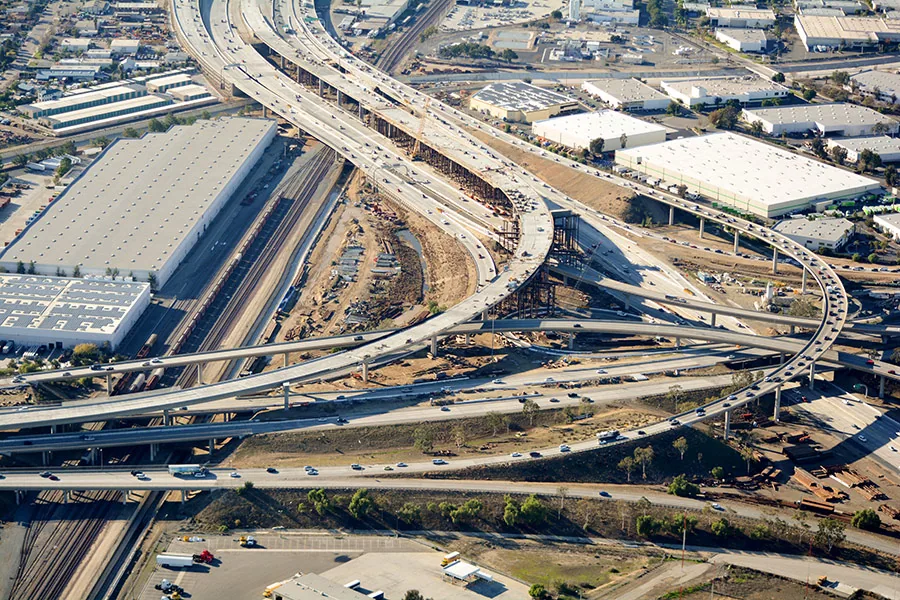
A loose roof termination can let runoff travel behind the edge metal, even when the field membrane looks flat from the access hatch. On Westminster Boulevard, the first roofing decision is where that detail stops holding water and which surface can receive a lasting tie-in. The corridor is one of Westminster's primary commercial routes and a focus for mixed-use reinvestment. For a property in Westminster, CA, we inspect the installed roof and its transitions before setting the repair boundary.
Westminster is directing commercial and mixed-use reinvestment while preserving nearby residential neighborhoods. That combination makes the work zone and daily closure part of the roof plan. We record the affected roof area, the path to a drain or scupper, and any wall, curb, or equipment interface that interrupts it. A written scope then connects the visible condition to the layer preparation and trade handoff needed to close the work.
Trace the Water Path at the Commercial Edge
At a mixed-use property, a ceiling mark may sit several feet from the place water entered the roof. We compare the reported room with the roof zone above it, then follow the likely path across seams, penetrations, parapets, and drainage. The inspection identifies loose terminations, open laps, displaced edge metal, and earlier patches that may be hiding a bond problem. Photographs show both the connection and enough surrounding roof to locate it during repair.
We review the membrane, substrate, insulation at accessible edges, and the secure stop where sound material begins. If the detail sits near an HVAC curb or conduit, we note which trade needs to release or stabilize that component first. A commercial roof inspection can define what is visible, what requires testing, and where an opening could change the scope. If a property extends toward other commercial activity in Little Saigon, its inspection still follows that building's own assembly and access conditions.
Extend the Repair to a Bondable Surface
A patch placed over a weak lap can lift again because the receiving layer has not been corrected. We remove loose or deteriorated material to the point where the remaining membrane and substrate can accept preparation. The exact boundary follows the field condition: an isolated split may need a local tie-in, while wet insulation or a damaged cover board can require a wider opening. Each exposed layer is checked before compatible material is installed.
At an edge, the termination bar, metal counterflashing, wall face, and membrane must close in a workable order. We check whether the metal can be reset or needs replacement, and whether a movement joint needs a detail that allows the connected materials to move. A commercial roof repair can include those separate items when the assembly remains suitable for a localized correction. If repeated failures point beyond the edge, the proposal explains which additional section should be evaluated before repair proceeds.
Match the New Layer to the Roof in Place
Material selection starts with identification, not appearance. A welded TPO or PVC sheet uses a different joining method from EPDM, modified bitumen, or a standing-seam metal panel. We check the existing surface, seam construction, prior repair materials, and substrate before selecting a patch or flashing. On a TPO roof, the field sheet and adjoining detail have to be prepared for a compatible weld. A product name by itself does not settle whether the receiving surface is ready.
If a coating, recover, or replacement is under consideration, drainage and attachment remain part of the decision. A new layer can change flashing height at a parapet and reduce the clearance at a drain. We assess retained materials and the perimeter build-up before recommending overlay work. Where water or separation extends through multiple layers, replacement may offer access to rebuild the transition and inspect the substrate. The work description separates confirmed removal from any added scope that depends on what an opening reveals.
The estimate follows the number of layers to remove, the length of perimeter and curb work, roof access, and the temporary protection required. A repair beside shared access or mechanical equipment may need staged entry and a separate trade release. We list those assumptions with the scope and identify what substrate condition would change removal. That gives the owner a clear review point before added material is ordered and a useful basis for comparing a contained correction with renewal.
Set the Work Zone Before the Roof Is Opened
A corridor with commercial and residential reinvestment needs a defined material route and work boundary. We coordinate roof entry, lift placement, delivery timing, interior protection, and any storefront or shared path that must remain usable. Before removal starts, the building contact identifies hours, access controls, and the person who can approve a scope change. If the repair exposes more than expected, the area is protected while the team reviews the added layer work.
West Garden Grove borders Westminster, and the West Grove Business District is another multi-property commercial area in the service region. For the Westminster Boulevard job, we plan around the site's own parking, loading, and resident access. A trade installing a new curb or service line should complete its support work before roofing closes the flashing. The daily sequence reserves time to inspect the tie-in and establish a secure stop, so the opening does not depend on a rushed close at the end of the shift.
Prepare Drainage and Protection for Seasonal Rain
Along Westminster Boulevard’s commercial corridor, set winter dry-in limits around active business entries and the outlets serving the work zone. For a roof project serving Westminster, that seasonal pattern makes drain paths, scuppers, and temporary protection important before the wetter months. We clear the intended discharge route as part of the inspection and look for low areas where water can remain against a repaired transition. The normal precipitation pattern informs timing; the roof's actual slope and outlet condition determine the work.
After installation, we photograph the completed lap, termination, and adjoining surface, then record the limits of repair and any remaining access issue. A roof condition report can keep those observations with the property record for future service. If inspection finds a wet layer or unstable substrate beyond the approved boundary, it remains a separate decision for the owner. The next maintenance visit can return to the same roof zone and check whether drainage or a trade alteration has changed the connection.
Commercial Roofing Questions
What should a Westminster Boulevard roof inspection include?
Start with the reported room or roof area, then trace seams, terminations, penetrations, and drainage above it. We photograph the receiving surface and identify which details are accessible, which need testing, and what trade work must occur before repair.
Can a repair stay limited to one edge or flashing detail?
It can when the adjoining membrane and substrate remain sound and the new material can tie into a prepared surface. We check for moisture, loose attachment, and prior repair layers before setting the boundary. Findings that extend beyond the detail are reviewed before additional work is approved.
How do you plan work where commercial and residential uses meet?
The property contact sets access hours, resident or storefront protection, and delivery restrictions. We divide the opening into a roof zone that can be prepared, inspected, and closed during the available work period, then coordinate any curb or conduit handoff.
Does winter rain change the repair material?
The installed system and receiving surface determine material compatibility. Seasonal precipitation changes when drainage checks and temporary protection need attention, while surface condition and the manufacturer's applicable system instructions guide preparation and closure.
What information should be available before a replacement discussion?
Provide the roof plan if available, prior repair records, leak locations, and access limits. We inspect attachment, drainage, flashing heights, and exposed layers, then compare repair, recover, and replacement based on what can remain and what needs rebuilding.

Arrange a Westminster Boulevard roof walk
Share the property location, roof plan, reported leak or damage, and access constraints. We will trace the affected connection, identify the receiving surface, and measure the work sequence before repair or replacement is selected.
Or call 555-555-5555 · [email protected]