
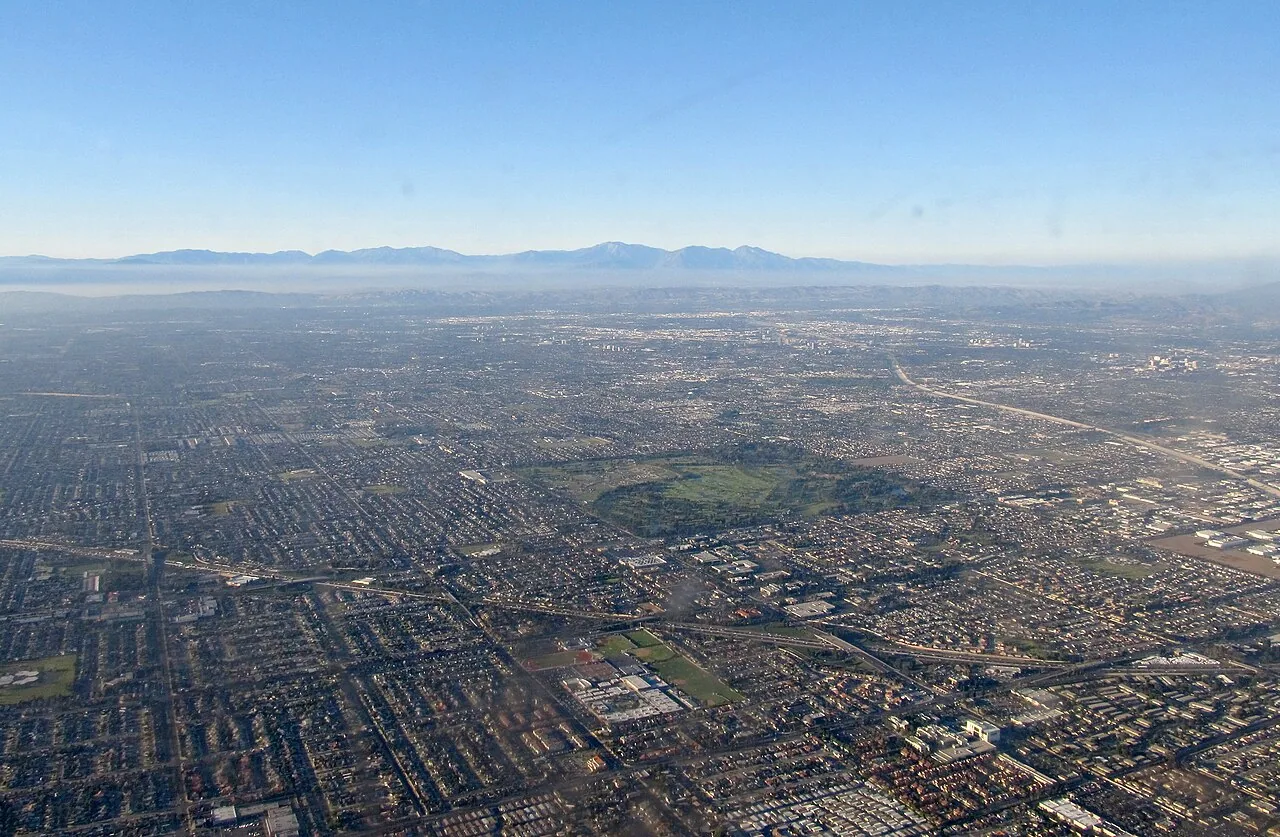
Service Areas · Garden Grove, CA
Commercial Roofing in Little Saigon, Westminster, CA
Little Saigon, Westminster
Commercial roof inspections, repairs and maintenance for Little Saigon shops, offices and mixed-use properties. Plan work around access and tenants.

Bolsa Avenue carries commercial activity through Little Saigon, a Westminster planning district that combines housing, shopping, employment, public spaces, and limited light-industrial uses. Shared parking and streetscape improvements along Bolsa Avenue affect staging and pedestrian routes, so confirm who manages those areas before setting the roof work zone. Those uses keep access and tenant coordination close to the roof decision. A leak above a shop, office, or residential space needs a repair plan that protects the interior while accounting for the people and routes below.
We inspect the actual building, identify the roof assembly where records and field details support it, and map the reported leak against seams, drains, penetrations, and perimeter transitions. Where parking serves several businesses, keep roof records attached to the property actually inspected. We keep each property’s findings separate and record how access, staging, and occupied space may affect the work. For a shop, that may mean protecting stock and maintaining a delivery route; for an office, the concern may be equipment or rooms in use below the repair. Those constraints change the sequence and the daily closeout. The result is a clear choice: repair a defined failure, investigate concealed moisture, or compare a larger restoration or replacement scope.
Follow the Water Path Through the Actual Assembly
Begin with the room, tenant, and date of the first leak report. Compare those details with rainfall, recent equipment work, and the roof plan, then inspect the likely area above and around the interior mark. Water can move under a membrane, travel along a deck, or follow a wall before it reaches a ceiling. We check laps, curbs, vents, skylights, parapets, drain bowls, scuppers, and previous patches. Each photo should capture the failed detail and enough surrounding roof to locate it for repair.
Mixed-use properties call for a careful match between the interior report and roof zone. A leak above a retail space can affect tenant operations differently from one above an office or residence, even when the roof is continuous. The inspection notes who needs notice, what access is available, and which area could not be reached. If a test opening or infrared survey would change the repair boundary, explain the decision it will support before arranging that work. A commercial roof inspection should produce a location-specific record rather than a list of conditions without context.
Keep Shared Parking and Storefront Routes Working
Before mobilization, confirm where the crew can enter, climb, stage materials, and lower debris. Identify parking areas that must stay open, delivery periods, customer entrances, and any shared route that requires notice. If a lift or truck affects the frontage, set a time and boundary with the property contact. For occupied buildings, identify rooms below the planned roof section and whether equipment or merchandise needs protection before a test opening or removal begins.
Along Bolsa Avenue, confirm who controls shared parking, where pedestrian circulation must remain clear, and where materials can be placed safely. Confirm the delivery route with affected tenants before moving materials to the next roof zone. Include a daily secure stop so every opened area is protected before the shift ends. For work across several zones, a phased reroof plan can sequence the work while retail, office, and residential areas remain occupied.
Separate Immediate Protection From Permanent Repair
When water is entering an occupied space, first protect the interior and control active leakage where it is safe to do so. The permanent repair follows the defect to a tie-in that can be prepared on sound, compatible material. The scope identifies the roof zone, seam or flashing involved, preparation, materials, and stopping point. If removal exposes wet insulation, corrosion, or deck damage, record the finding and get the owner’s approval before broadening the repair.
At a shared parapet or equipment curb, check the membrane, termination, metal flashing, and nearby laps together. A surface patch can fail again if the adjacent detail remains open. Our leak repair service can document the water entry and any temporary protection still required. If drains or scuppers are restricted, include a drainage review to restore the water route. When multiple roof zones show recurring problems, compare that work with a replacement evaluation that accounts for access, tenant disruption, and the condition of the existing substrate.
Make the Repair Match the Roof and Its Transitions
Properties in the same district can have different roof assemblies, so use the actual records and field details before specifying a repair. We look for system labels, seam construction, previous patches, edge metal, and warranty information. Single-ply membranes are joined by heat weld or adhesive, while modified bitumen and built-up assemblies use their own lap and flashing details. Metal panel closures differ again, so identify seams, previous coatings, and patches before applying a new repair. If an older coating or recover obscures the assembly, a test sample may be needed to confirm what will bond before a larger area is treated.
Restoration requires a dry and stable substrate, secure details, and drainage that works. Coating does not repair wet insulation, a weakened deck, or a loose termination. A recover adds material and possible load, so evaluate the whole assembly and edge conditions first. The owner should receive a scope showing where treatment begins and ends, including curb and parapet tie-ins. Review a TPO system or modified-bitumen assembly only when it matches the roof that was inspected; a generic product name cannot substitute for checking the substrate and transitions.
Keep Findings With the Property’s Service History
At closeout, record the roof zone, assembly, repair material, surface preparation, completed tie-in, date, and any follow-up condition. Photograph the detail close up and from a wider angle. Keep those images with the work order, leak log, roof plan, warranty documents, and notes from other trades. When a sign, exhaust fan, or other equipment changes later, inspect the new penetration and update the roof drawing so the next repair can be scoped from current information.
Planned maintenance should revisit drains, overflow paths, field seams, curbs, wall edges, and repairs exposed to foot traffic. The nearby Downtown Garden Grove and Garden Grove Industrial District represent different planning settings, and each building still needs an individual roof record. For a Little Saigon property, track tenant reports and response dates, then compare recurring conditions during the next inspection. A photo-based condition report can help an owner plan repair priorities across multiple buildings without merging their roof histories.
Commercial Roofing Questions
Can roof access be coordinated around Bolsa Avenue business hours?
We confirm loading periods, parking, tenant entrances, staging, and any shared routes with the property contact. The work schedule can then identify which roof zone is active and how the site will be secured each day.
What details matter when a leak is above a mixed-use building?
We record the affected room and occupant, then inspect the roof area above it and trace nearby seams, penetrations, walls, and drainage. That connects the repair plan to both the roof and the space below.
Will one inspection establish conditions for nearby properties?
No, each roof needs its own inspection and record. The construction, repairs, access, and drainage can differ from one property to the next, even within a shared commercial district.
Can a coating stop a recurring leak?
Only when the existing assembly and substrate are suitable and the failed detail is properly addressed. We check for trapped moisture, weak laps, edge problems, and drainage restrictions before considering a coating.
What should the owner provide before a roof walk?
Send any roof plan, leak history, repair invoices, warranty records, equipment changes, and access instructions. We compare those records with field conditions and identify what needs confirmation before work is priced.
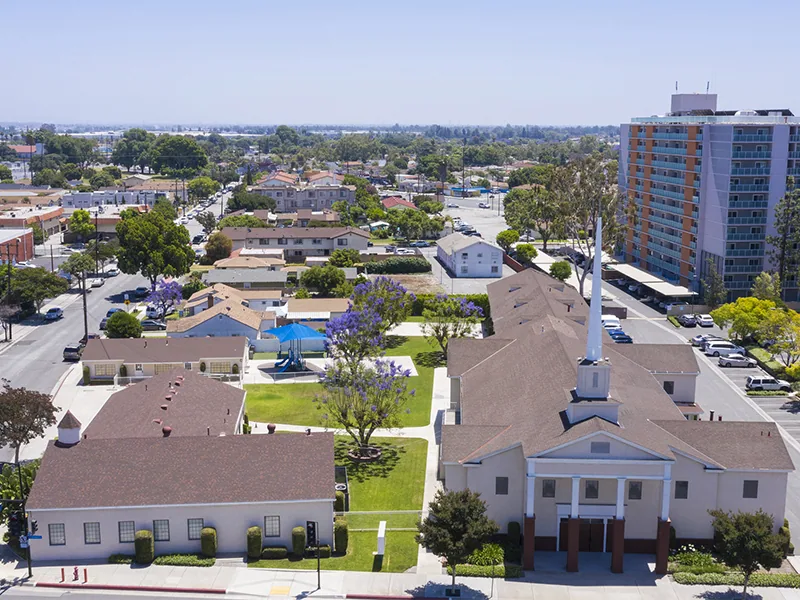
Arrange a Little Saigon roof assessment
Send the building location, leak history, roof plan, and any parking or tenant constraints. We will inspect the roof details, document the repair boundary, and prepare a practical scope for the property.
Or call 555-555-5555 · [email protected]