Commercial Roofing Services · Garden Grove, CA
Commercial Roof Insurance Claim Documentation in Garden Grove, CA
Commercial Roof Insurance Claim Documentation
Commercial roof claim documentation in Garden Grove, CA records observed damage, repair boundaries, and completed work without making coverage promises.
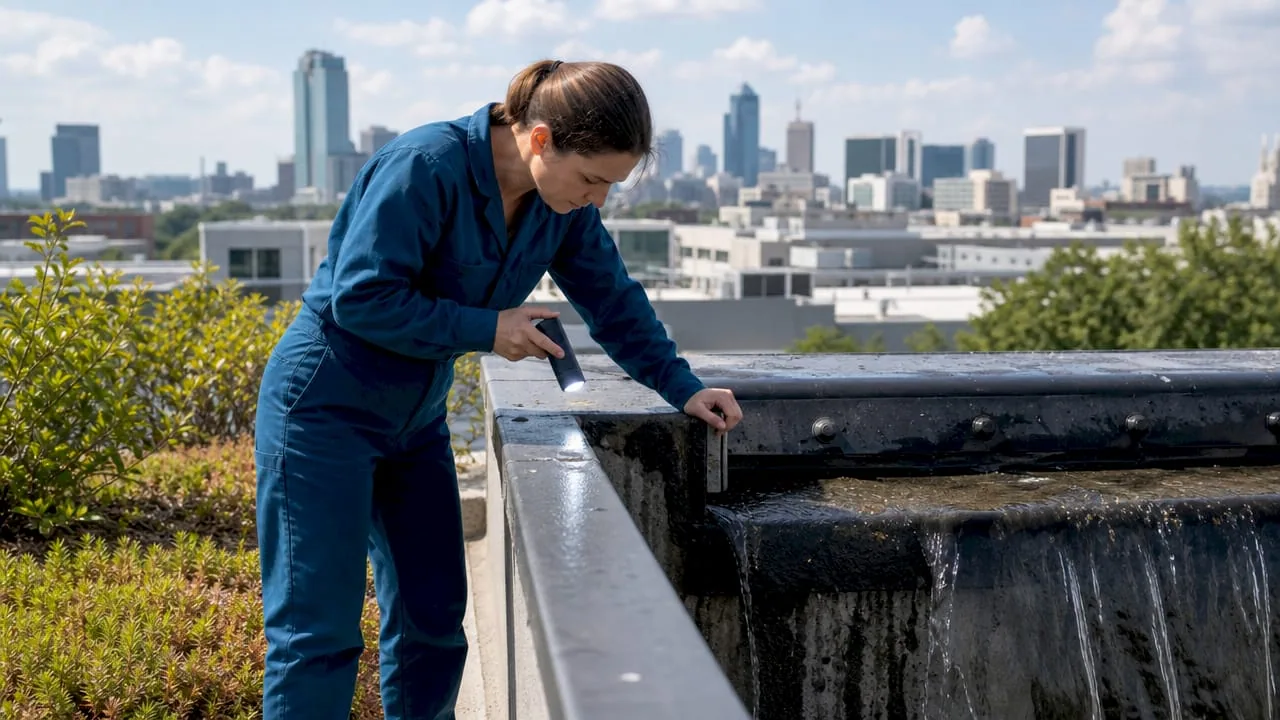
A photograph helps a claim review only when it identifies the roof zone and condition it actually shows. We prepare commercial roof claim documentation in Garden Grove, CA by inspecting visible damage, recording interior reports, and separating emergency stabilization from permanent repair. The record describes materials removed, conditions uncovered, and work completed. It does not determine policy coverage or promise an insurance result. The owner receives factual construction documentation that can be shared with an adjuster, property team, or consultant as they evaluate the next step.
Build the Record From Observable Conditions
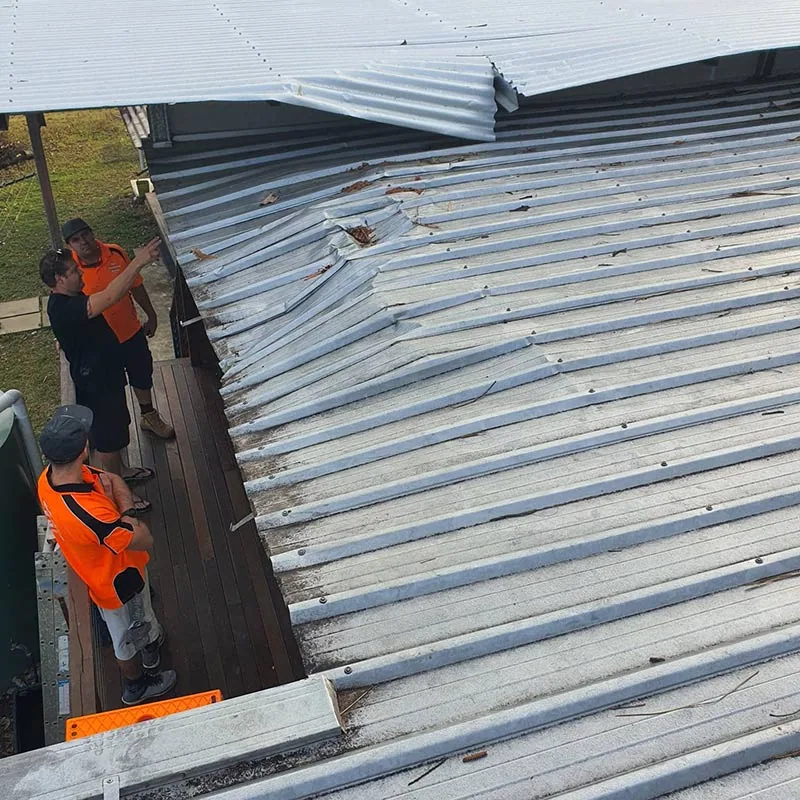
We start with the reported event date, interior water locations, available roof plans, and prior repair history. On the roof, we photograph edges, seams, penetrations, equipment, and drainage near the reported area. Each image is labeled with roof zone, direction, and the condition it depicts. We describe a split seam as a split seam; a claim of cause needs supporting evidence. If a test opening exposes wet insulation or deck damage, the record shows the opening, the material found, and the area removed. That sequence helps another reviewer follow the basis of the repair proposal.
Garden Grove includes commercial, office, industrial, civic, residential, and mixed-use areas. The manufacturing and industrial district follows Knott Street and Western Avenue, while Garden Grove Boulevard and other major streets support commercial uses. We document the building's actual use and affected area with the owner rather than assuming its function from the district. If the suspected roof path needs further review, a roof condition inspection can connect the interior report with drains, curbs, and wall details.
When several parties review the same roof, image labels and a single marked plan reduce confusion about which corner or penetration is being discussed. We can note whether a photo shows the surface before demolition, an exposed layer, or the finished tie-in, keeping the construction sequence visible in the record.
Separate Emergency Work From the Full Scope
When water is active, temporary protection may be needed before a complete estimate can be prepared. The record identifies what was secured, the material used, the date, and any area that remains open for inspection. Permanent work is scoped separately after the roof can be examined safely. If demolition finds concealed damage, we photograph the condition and pause for owner direction when the added work changes the approved boundary. This keeps a stabilization invoice from being confused with a final repair or replacement scope.
A repair proposal can address a localized leak correction, a wind-related detail, or a wider roof replacement if conditions support it. We identify the affected roof zone and list any alternate work that should be evaluated separately. A separate condition report can preserve the baseline across other areas that are not part of the reported event. That way, claim-related work and general maintenance remain understandable in the same building file.
Show What the Repair Requires
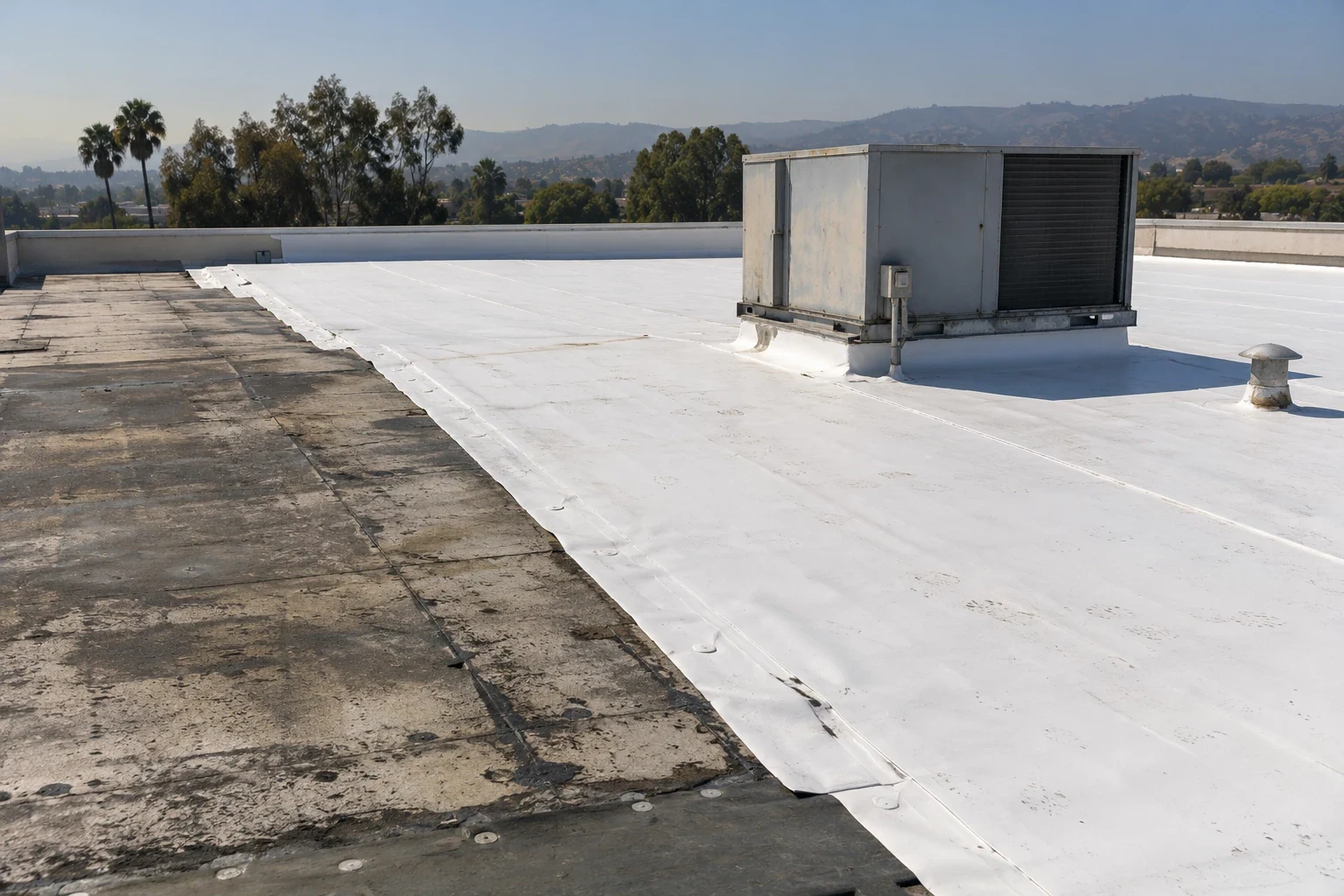
Documentation should identify the existing roof material when it can be confirmed and name the repair materials installed. We record preparation, attachment, flashing, and tie-in details rather than relying on a generic line item. If the assembly cannot be identified without an opening, the report says so until verification. Manufacturer instructions and project specifications can support how work is performed, but the record should not imply a warranty term or installer status that the owner has not established.
Garden Grove adopts the 2025 California Building Code and local modifications in Title 18. For a scope that changes regulated parts of the building, the owner and building official can confirm permit requirements. A TPO repair or EPDM detail should be described with the material system and the observed defect. We preserve those distinctions in the estimate and closeout so a reviewer can see how the work connects to the roof condition without confusing a construction opinion with a coverage decision.
If the roof contains several repairs from different dates, we identify their boundaries and avoid combining them into one continuous event. An owner can then compare the reported condition with prior work and request any additional review from the appropriate claim professional.
Coordinate Inspections and Approvals
Claim documentation often depends on timing, access, and the order in which the roof is opened. We coordinate the site contact, adjuster, consultant, and other trades when the owner requests it, then note who was present and which areas were viewed. If a temporary cover must be removed for inspection, we establish who will protect the building afterward. The work plan includes a dry-in point and an approval contact for concealed conditions. Photos are captured before, during, and after the repair to preserve the sequence of events.
Trask Avenue's planned auto-sales and repair cluster can create vehicle and service-bay constraints at nearby properties; the property team confirms its actual operating hours and access route. Garden Grove's commercial framework also identifies Harbor Boulevard and Beach Boulevard. Our emergency response protects active exposure, while an occupied-building work plan manages tenant and operational access during permanent repair. A prompt schedule should still leave enough time for the owner to review and approve scope changes.
Deliver a Traceable Construction File
At closeout, the owner receives dated photos, a roof-zone description, material records, approved changes, and a list of any areas still requiring evaluation. The document separates observed conditions from interpretations and identifies who approved added concealed work. We retain the repair boundary and final tie-in photos so a future inspection can compare the same area. A precise file supports claim review while remaining useful for ongoing building maintenance.
Where neighboring zones were not included in the repair, the report identifies that limit instead of implying that the entire roof was cleared. A maintenance visit can check drains, seams, and penetrations after the repair. If a new leak appears, the roof team can compare its location with the claim photos and determine whether it follows the repaired detail or another route. We can also prepare a capital plan for conditions unrelated to the event so future work remains distinct from the claim scope.
The closeout file should also preserve the approved scope revision and the date it was authorized. That provides a clean record when the invoice, field photographs, and original proposal are reviewed together.
Commercial Roofing Questions
Can a roofer decide whether our insurance should cover the damage?
No. Coverage and claim decisions belong to the owner and insurer under the policy. We document construction conditions, materials, and work performed so those parties can review the facts. We do not promise an approval or describe an observed roof defect as covered without a policy determination.
What should a roof claim report include?
A useful construction file identifies the reported event, affected interior and roof zones, dated photographs, visible conditions, test openings, materials removed, repair boundary, and completed work. It should distinguish observed facts from possible causes and list any access limits or unverified areas.
Should temporary emergency work be part of the permanent estimate?
Temporary stabilization should be documented separately from permanent repair so the owner can see what was done immediately and what work remains. If a cover or seal is removed during inspection, the plan should identify who will protect the roof afterward. Permanent scope follows confirmed assembly conditions.
Can you meet with an adjuster or consultant?
We can coordinate a site walk when the owner requests it and when schedules allow. We record attendees, areas inspected, and any test openings or follow-up questions. The purpose is to explain construction conditions and the proposed work, while the policy parties make coverage decisions.
Measure the roof before choosing the repair path
Arrange a roof walk with available plans, leak records, and access constraints. We will trace the assembly, mark the work boundary, and prepare a scope for your Garden Grove building.
Or call 555-555-5555 · [email protected]