Industries We Serve · Garden Grove, CA
Commercial Roofing for Hospitality Groups in Garden Grove, CA
Hospitality Groups
Plan roof inspections and phased repairs for Garden Grove hospitality properties around guest occupancy, event calendars, service access, and building records.
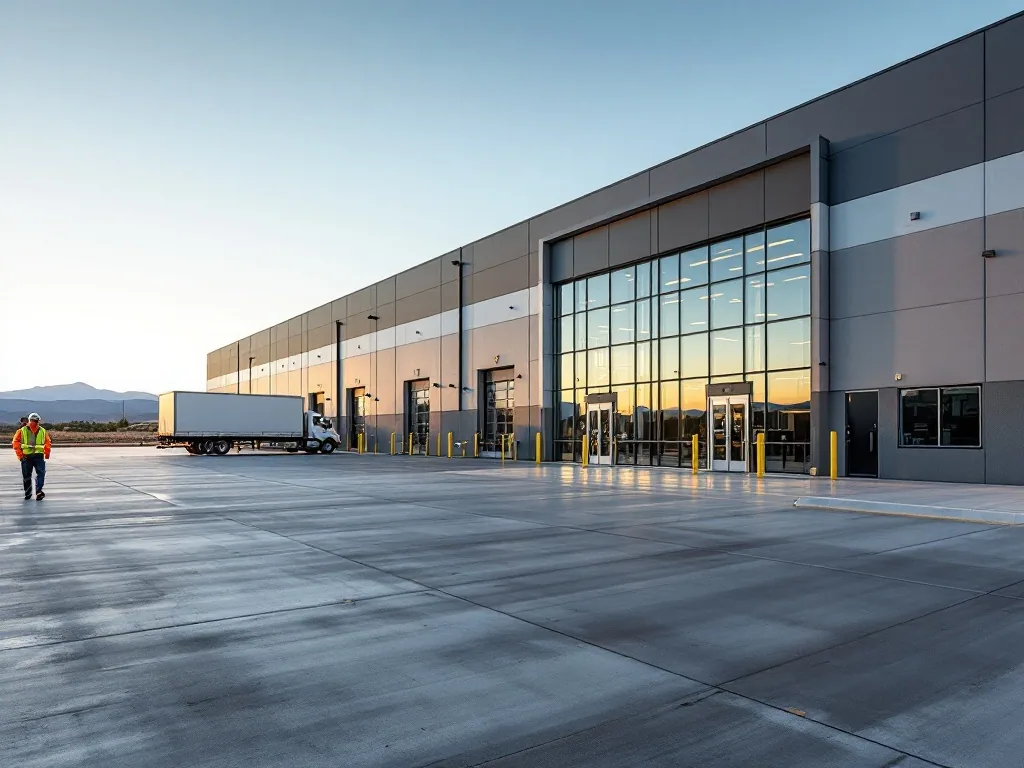
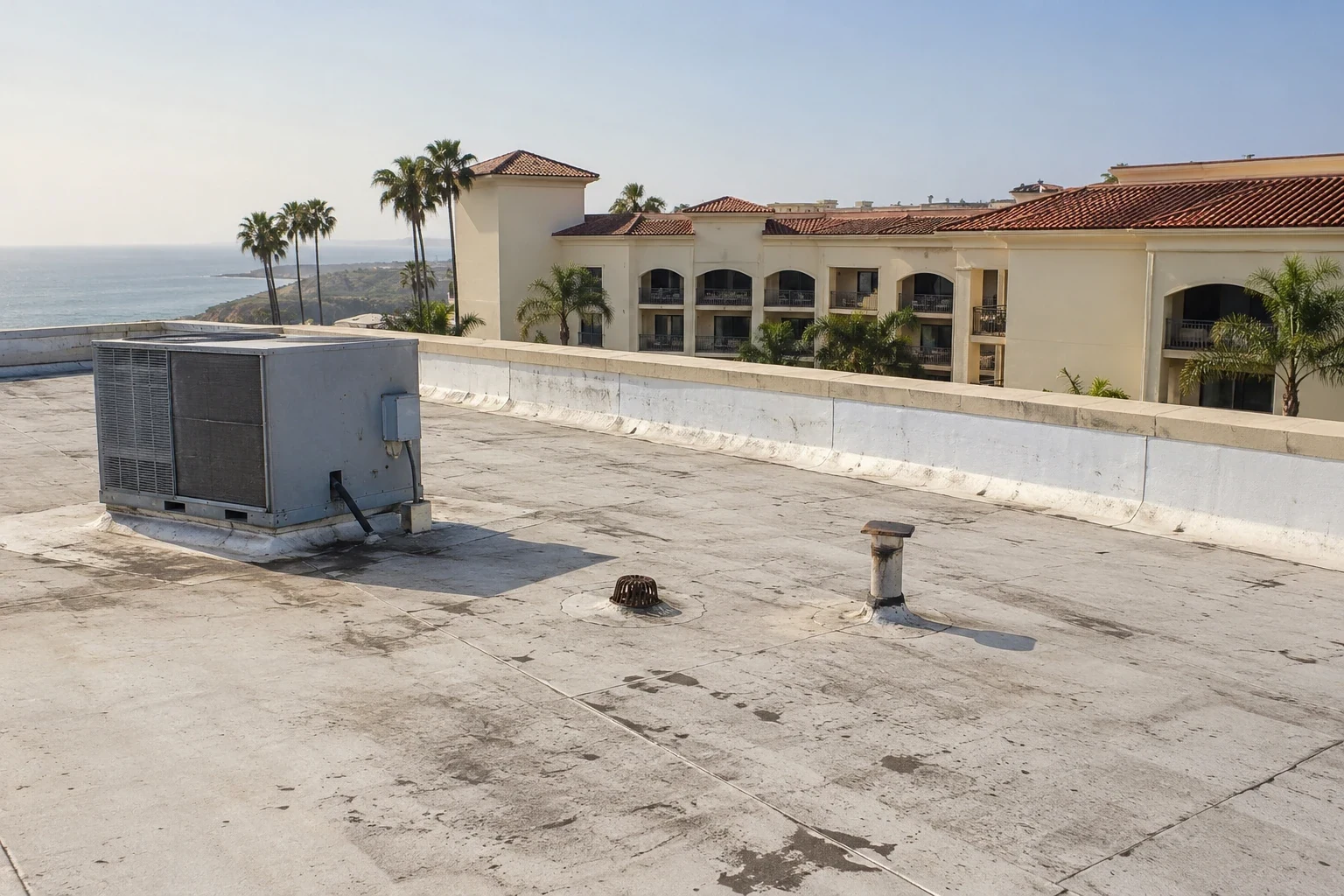
A hotel or event property cannot treat a roof project as a closed building simply because the crew is above the ceiling. Guest rooms, meeting spaces, kitchens, loading areas, and rooftop equipment each have different access and timing needs. Before work is set, the property team identifies which areas sit below the roof zone, what event or occupancy dates affect the schedule, and who can approve a temporary change. The inspection then defines a practical repair boundary tied to the actual assembly.
Hospitality groups often compare several properties using shared operating standards, but each roof brings its own history, drainage, equipment, and prior work. A portfolio record is most useful when its common fields preserve those differences: location, roof zone, observation, condition, access limit, proposed action, and open question. We document what can be seen, identify where another inspection or trade is needed, and avoid turning an assumption about a hidden layer into a confirmed roof finding.
Garden Grove’s General Plan includes hospitality, commercial, office, and mixed-use focus areas. The Harbor Boulevard Corridor and Downtown Garden Grove provide area context; occupancy, events, and roof access at the property determine sequencing.
Trace the Leak Report Without Guessing at the entry point
Start with the affected room or venue, date, weather, housekeeping or engineering report, and recent rooftop service. Inspect the roof section above and around that report, then check nearby seams, drains, parapets, skylights, curbs, and wall transitions. Water can move inside the assembly before it appears at a ceiling, so the visible mark helps direct the visit but does not prove the roof opening. Photos should show the finding and its position within the building plan.
Hotels can include guestroom wings, banquet areas, kitchens, parking structures, and additions built at different times. Record where roof material, slope, drainage, and edge details change. Note locked areas, equipment that needs a qualified vendor, and any condition that requires a test opening before the recommendation is final. If the property has prior leak or repair records, compare the new report with that roof zone but keep older assumptions separate from what the current visit confirms.
A commercial roof inspection can document current conditions; a roof condition report can organize findings and unresolved items across the group.
Schedule Roof Access Around Guests and Events
Property staff confirm crew entry, keys or escorts, loading access, guest drop-off routes, service corridors, lift staging, noise limits, and any event schedule that affects the roof zone. Identify rooms or public areas directly below the work and agree on protection before material is removed. The property team controls guest notices and temporary wayfinding; the contractor follows the approved route and work hours. No crew should assume that a room, ballroom, kitchen, or loading area is available without site approval.
For phased work, define the active roof section, daily start and stop point, protection below, and the method for closing the assembly before the crew leaves. If noise could affect a meeting or occupied room, the venue contact can choose a different phase or work window. A delivery or equipment vendor may need separate access, so sequence curb or line work with the trade responsible for the system. When hidden damage expands the repair, document it and seek direction before extending the approved boundary.
Occupied-building reroofing can help structure a larger project around active use.
Compare Property Options Without Forcing One Standard
A chain may set preferred reporting fields or materials, but the repair choice depends on roof condition and construction. A localized correction can fit an isolated failure where the surrounding surface supports a durable tie-in. Repeated leaks, weak seams, wet insulation, or damaged edges can require more investigation. Coating requires compatible materials and adequate preparation; it cannot correct concealed moisture. A recover adds height and may change the fit at drains, equipment curbs, edge metal, and transitions.
Replacement planning includes removal, guest-area protection, material handling, waste, staging, and the order in which roof sections are opened and closed. A proposal should state what is included, what assumes the existing assembly is sound, and what requires a test or separate trade. Grouping similar work can help procurement, but review each property before extending a standard detail. The owner should be able to compare options by confirmed condition and operating impact rather than by a single label such as “roof repair.”
Garden Grove’s building standards follow the 2025 California codes with local amendments in Title 18. Confirm permit and review requirements for the specific property with city officials. A roof capital plan can organize near-term work and future replacement windows by property.
Keep the Property Team and Roofing Crew in Sync
Before mobilization, name the property representative, engineering contact, event or guest-services contact, equipment vendors, and person authorized to approve changes. Confirm rooftop access, required escorts, security procedures, and where deliveries may wait. If HVAC, kitchen exhaust, signage, or communications equipment crosses the work area, coordinate shutdown or movement with the qualified vendor before flashing is disturbed. The roofer documents the membrane detail; the system owner verifies its own equipment after interface work.
A daily report can identify the section worked, weather, materials, completed tie-ins, guest-area adjustments, remaining protection, and decisions still open. The closeout should show the roof was made weather-resistant at the end of each shift and distinguish that temporary stop from finished work. If the event calendar forces a sequence change, route the new plan to the authorized site contact and record which building section remains for the next visit.
For a group operating restaurants alongside hotels, the retail and restaurant chain process covers store-level schedules. A property-management workflow can coordinate landlord records, tenant access, and owner approvals at leased sites.
Leave a Roof Record That Travels With the Property
Closeout should identify the building, roof zone, work boundary, material, transitions, photographs, accepted changes, and anything that remains outside scope. Record equipment-vendor handoff and the site contact who received the report. Keep the information with plans, warranty documents, event or renovation records, and maintenance tickets so a new property manager can find it. A future leak report can then be compared with the previous work area before another repair is authorized.
Periodic roof reviews can note blocked drainage, new penetrations, edge movement, wear around equipment, and visible changes made by other trades. Schedule access around property operations and follow the site’s security requirements. A routine visit helps track known roof conditions, but it cannot replace an inspection when new water appears. Ask staff to record room, date, weather, and any recent roof or mechanical work so the next walk begins with useful context.
Hospitality properties in Garden Grove sit within a wider mix of commercial, office, and mixed-use corridors. Use the city plan for that broad setting and property-level evidence for every repair recommendation. A hotel roof assessment can focus on the building-specific guest and service areas.
Commercial Roofing Questions
Can roof repairs be scheduled around booked events?
Often the sequence can be adjusted if access, noise, protection, and the site’s approval contact are confirmed. The property calendar should be reviewed before the contractor sets a work window.
What should hotel staff include in a leak report?
Include the affected room or venue, time, weather, visible impact, recent rooftop service, and any access restrictions. That helps direct inspection without assuming the ceiling mark is the entry point.
Can one report cover a hospitality group’s properties?
A common report format can simplify comparison, but findings, photographs, scope, and assumptions should remain tied to each property and roof zone.
Who handles kitchen exhaust or HVAC units during roof work?
The qualified vendor or facility team responsible for each system controls shutdown, movement, and restart. The roofer handles membrane and flashing at the approved interface.
What should the property receive at closeout?
Provide zone-based photos, repair limits, materials, accepted scope changes, remaining issues, and follow-up needs. Keep the record with plans and the property’s maintenance history.
Coordinate a hospitality roof review
Share property plans, access and security procedures, occupancy or event dates, roof history, and the site contact. We can document roof conditions and prepare a sequence for property review.
Or call 555-555-5555 · [email protected]