Industries We Serve · Garden Grove, CA
Commercial Roofing for Retail and Restaurant Chains in Garden Grove, CA
Retail and Restaurant Chains
Manage Garden Grove retail and restaurant roof repairs with location-level findings, access plans, vendor coordination, and clear reporting.
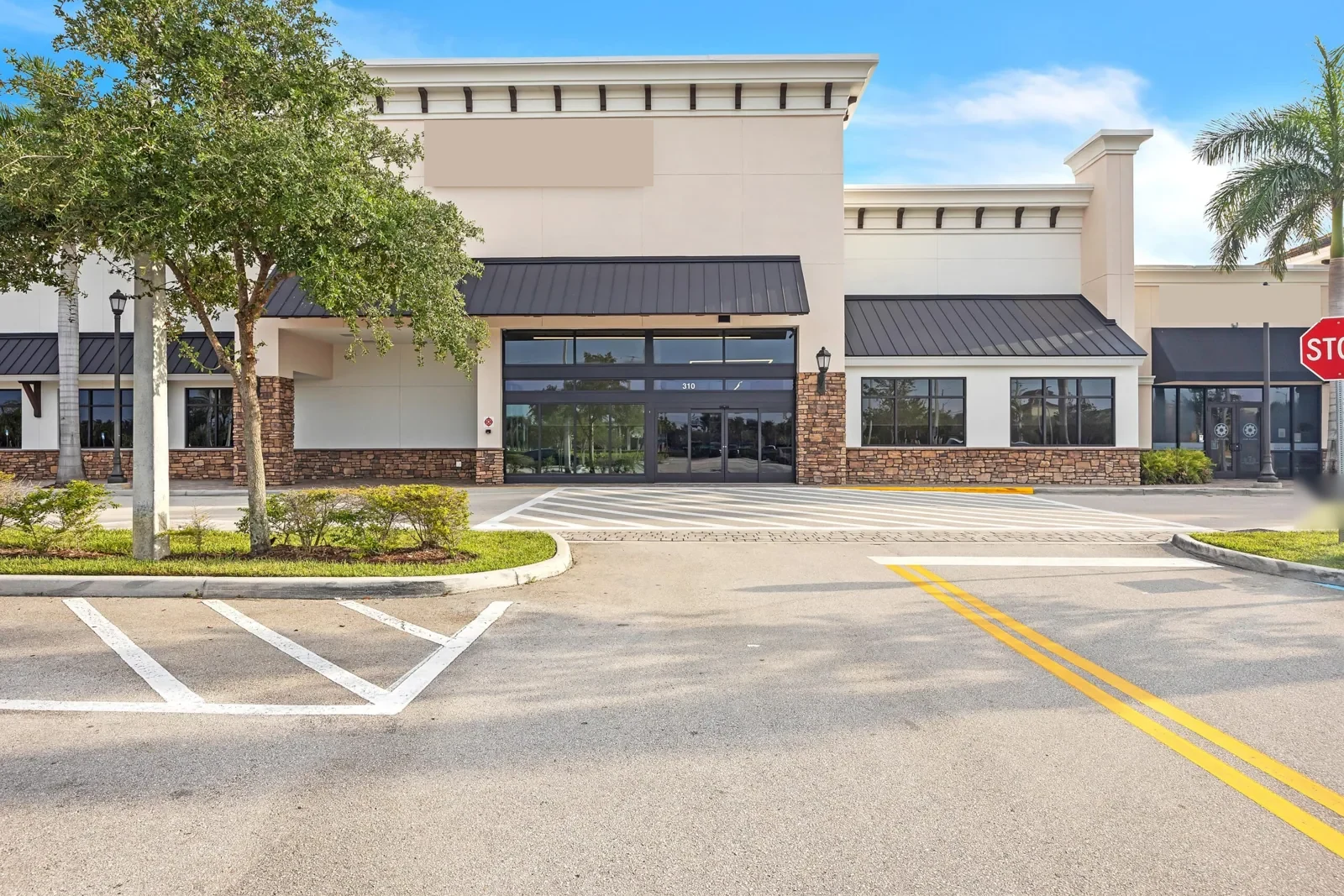
A chain can use the same roof report at every location, but the repair detail still has to fit the building in front of the crew. One storefront may have a membrane roof and rooftop units; another may have a different edge, drain pattern, kitchen exhaust layout, or repair history. We inspect the property, record the roof zone and field condition, and distinguish a repeatable reporting format from a repair method that must be selected site by site.
Brand operations teams often need a view across open service tickets, planned work, access rules, and approvals. Store managers need to know which entrance, delivery period, or kitchen area could be affected. The work plan should answer both needs: the location record states what was observed and what remains uncertain, while the daily sequence tells local staff what the crew needs and when. A chain-level summary should link back to those individual records rather than smoothing away site differences.
Garden Grove’s General Plan includes retail, hospitality, office, and mixed-use focus areas. Properties near the Harbor Boulevard Corridor or Brookhurst-Chapman Commercial Area share a local service context, but the storefront’s roof assembly and operating hours set the field scope.
Use the Store Report to Focus the Roof Walk
Collect the store or restaurant number, affected room, report date, visible impact, recent roof work, and any kitchen, HVAC, sign, or refrigeration service. Inspect the roof section above and around the reported area. Water can move before it appears on a ceiling, so the stain points toward an area to inspect but does not prove an entry detail. Check seams, drains, parapets, skylights, signs, exhaust curbs, and transitions between additions. Photographs should show the finding and where it sits on the roof plan.
Record assembly type, repair materials where known, edge metal, roof slope, drainage, and equipment details. Do not carry an observation from a neighboring store into this location’s record. If an access panel is locked, an exhaust unit cannot be approached, or the insulation is concealed, note the limit and the information needed for another visit. When the decision depends on substrate or moisture, identify any test opening before the chain compares repair costs or authorizes a permanent correction.
A commercial roof inspection can document the site condition. A coating should be reviewed separately when substrate and preparation conditions support it.
Protect Storefront, Kitchen, and Delivery Access
The local manager or property contact confirms crew entry, keys or escorts, delivery periods, service alleys, customer entrances, lift staging, and any space that must stay open. A restaurant may need a separate plan for kitchen exhaust and food-preparation areas; a retail store may need customer access and a clear receiving route. The brand’s operations team can communicate standards, but the person responsible for the site approves the local access plan and any temporary change.
For work above an operating store, define the roof zone, interior protection, noise window, work hours, and daily dry-in. Schedule debris removal and material delivery so the store team is not surprised by a blocked route. If a curb, sign support, or refrigeration line has to move, coordinate the qualified vendor before the roofer opens the interface. When the assembly reveals damage beyond the scope, photograph the condition and route the change to the authorized manager before adding work.
For larger work, occupied-building reroofing can guide phasing. At a restaurant, a separate restaurant roof scope can account for exhaust and food-area coordination; a shopping-center roof review can address shared loading and tenant routes when stores occupy a common property.
Standardize the Questions, Not the Roof Assembly
Use the same comparison fields across stores: observed issue, material, repair boundary, access assumptions, protection, equipment interfaces, exclusions, and unresolved conditions. The options themselves remain tied to the inspection. A repair may suit an isolated failure where the nearby material can accept a reliable tie-in. Repeated leaks, wet insulation, failing edges, or widespread seam deterioration may call for a broader condition review. Coating depends on compatibility and surface preparation; it does not resolve concealed moisture or a failed drain.
A recover adds material and height, which can affect door transitions, edge metal, rooftop supports, and drainage. Replacement may require removal, temporary protection, waste handling, and a store-specific sequence. For chain planning, keep recurring repair patterns visible but verify them at each property before choosing a standard detail. If one location needs a test opening or design review, mark that exception instead of applying an assumption to every store.
Garden Grove’s code framework follows the 2025 California standards with local modifications in Title 18; confirm permit needs for each property with city officials. A multi-site roof program can organize common reporting while keeping each site’s chosen scope and evidence distinct.
Connect Corporate Approvals With Store-Level Timing
Before scheduling a chain project, identify who approves the proposal, who releases funds, who arranges local access, and who accepts the completed repair. Store managers may not control capital approval, while a national facilities contact may not know a local delivery blackout. Record both contacts and the route for communicating a change. If franchise, landlord, and tenant responsibilities differ, have the property team confirm who authorizes roof access and who owns the affected equipment.
A daily update can name the location, roof zone, completed tie-in, vendor work still open, customer or staff access changes, and next approval needed. At the end of the shift, state whether the roof was fully closed and which area remains protected temporarily. Photos and material details should be attached to the specific store record so a later reviewer can compare a new leak with the repair made there.
Chains with mixed retail and lodging properties can also compare the hospitality-group planning process. For portfolio owners coordinating leases and tenant access, the property-management workflow can complement the chain’s own facilities reporting.
Build a Location Record the Chain Can Reuse
Closeout for each store should identify the city and site name, building, roof zone, repair limits, material, photographs, approved changes, exclusions, equipment-vendor handoff, and follow-up item. Store the closeout with the property’s roof plan, maintenance requests, and equipment history so future visits start with a useful record.
Follow-up visits can check drains, seams, edge metal, curbs, signs, and new work by equipment vendors. The chain can use a common checklist, but each store’s date, findings, photos, and repair history remain separate. If water returns, route a new report with the room, date, weather, and nearby equipment service to the local property contact and compare it with that store’s previous roof map.
For a company with Garden Grove properties in several commercial areas, a shared dashboard can sort open work by urgency and approval status while preserving the underlying field record. Use the report to set the next inspection or capital decision; new issues can still appear between visits.
Commercial Roofing Questions
Can a chain use one roofing specification at every store?
A shared reporting and material standard can help procurement, but the repair method must match each roof’s assembly, condition, access, and drainage. Confirm site conditions before applying the same detail across locations.
Who should approve roof work at a franchise or leased store?
The owner, landlord, franchisee, and chain may have different responsibilities. Confirm the party authorized to grant roof access and approve the scope before scheduling the crew.
How do you limit disruption at a restaurant or retail location?
The store contact identifies customer, kitchen, receiving, and staff routes, then approves the work window and protection. The contractor sets a defined roof zone and daily closeout for review.
What records help when a store reports a second leak?
Keep the date, affected room, weather, roof-zone map, repair photos, material, and any later equipment work. Compare the new report with that location’s record before extending the scope.
Can stores be grouped into one capital project?
They can be grouped for scheduling or procurement after the roofs are inspected. Document each property’s assembly, scope assumptions, access needs, and unresolved condition separately.
Coordinate chain roof work in Garden Grove
Share the location list, store contacts, access windows, roof records, and approval path. We can document each site’s roof condition and prepare comparable scopes that preserve property-level detail.
Or call 555-555-5555 · [email protected]