Property Types We Roof · Garden Grove, CA
Restaurant Roofing in Garden Grove, CA
Restaurant Roofing
Coordinate restaurant roof inspections and repairs in Garden Grove around kitchen exhaust, guest access, deliveries, and service-vendor schedules.
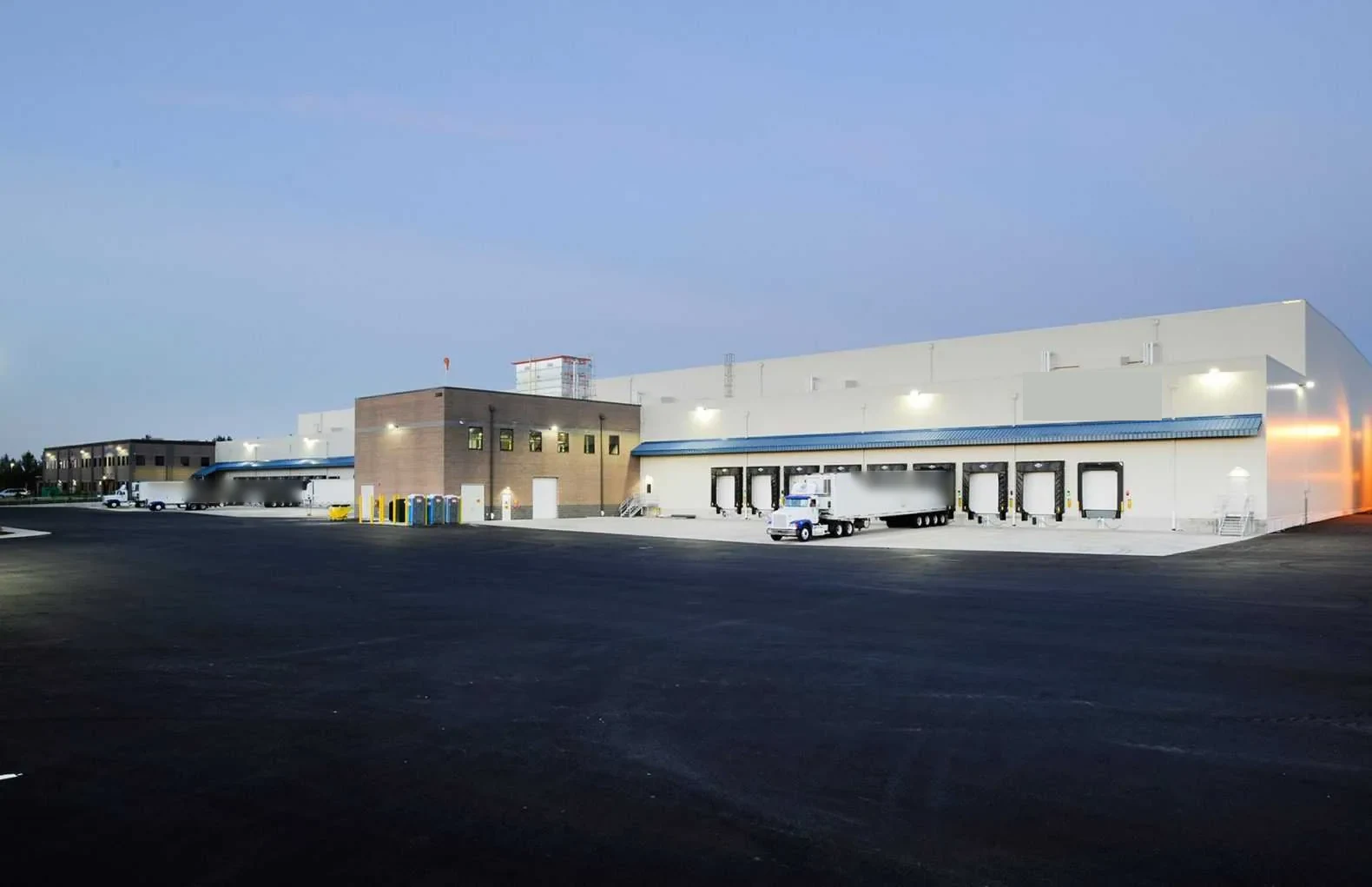
Restaurant roof projects need to account for kitchen exhaust, rooftop equipment, deliveries, guest entrances, and the hours when the dining room is busiest. A leak over food preparation, storage, a dining area, or electrical equipment may require fast coordination between the owner, manager, and roofing crew. We start with the reported location and operating constraints, then inspect the related roof area, flashing, penetrations, and drainage before deciding what work belongs in the scope.
Restaurants may remodel kitchens or change exhaust and make-up-air equipment without replacing the full roof. Those changes can create new curbs, ducts, supports, or patches within an older assembly. We review available records and walk the relevant roof zones to understand which details are new and which are part of the original installation. The written scope identifies the repair boundary and notes where a concealed condition or a mechanical contractor’s input could change the method.
Garden Grove’s commercial corridors include retail, hospitality, and mixed-use activity. Restaurants in the Harbor Boulevard Corridor or Downtown Garden Grove service areas can coordinate through their property manager; access and roof conditions at the individual site still govern the work plan.
Check Exhaust Curbs and Roof Transitions
Record the room, date, and conditions associated with a leak report, then compare it with roof-level findings. Water can travel from an opening before appearing on a ceiling, so the interior location should guide inspection but not be treated as the confirmed entry point. We check seams, drains, wall terminations, exhaust curbs, piping, skylights, and changes between roof sections. If the area is unsafe or blocked by equipment, note that limitation and plan access with the appropriate facility contact.
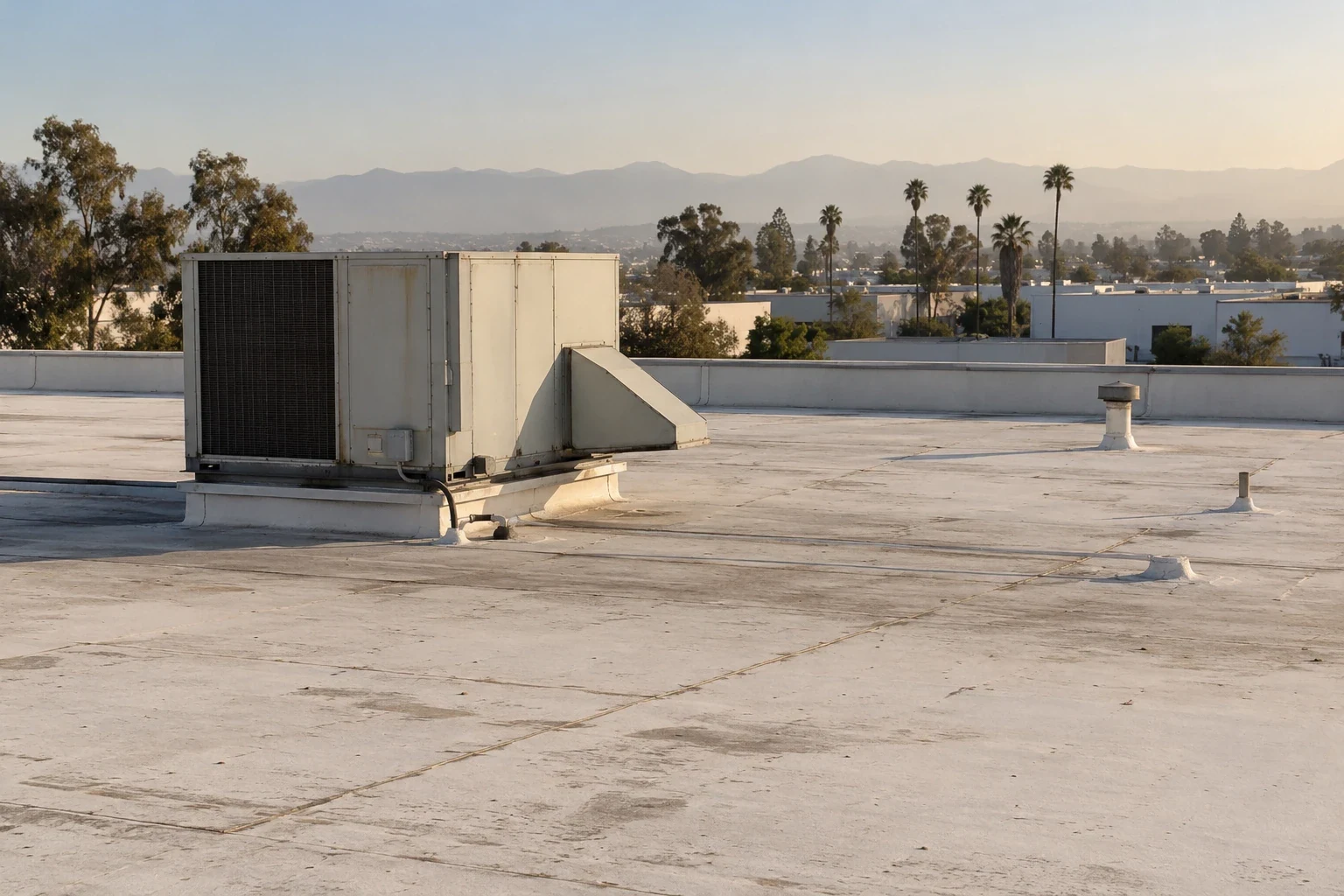
Kitchen exhaust systems can be maintained by a separate vendor. The property should identify recent service, equipment adjustments, and any new or relocated penetrations. Inspect flashing and membrane around the curb, but leave duct, fan, and fire-system work to the qualified contractor responsible for those components. Grease accumulation or equipment performance is not a roofing diagnosis; the roof assessment records its own visible findings and coordinates the interface with the right trade.
At penetrations, note movement, loose metal, open seams, and sealant conditions that may require a repair detail. A penetration and flashing review can document those interfaces. Drains should be checked for debris, standing-water evidence, and restricted flow, with a separate drain correction included only when observations support it.
Schedule Work Around Meal and Delivery Periods
The restaurant manager and property owner approve the work window and access plan. Identify guest and employee entrances, delivery areas, service drives, roof entry, lift staging, and the route for removing debris. A schedule may account for prep hours, opening and closing routines, vendor deliveries, and event bookings. We confirm remaining staff and get approval before routes or loading areas change after hours.
Where roof work takes place above an active kitchen or dining room, the team agrees on the boundary, interior protection, and a contact for changing conditions. The restaurant can identify food-storage rooms, preparation surfaces, ceiling equipment, and other areas needing protection before an opening is made. If noisy work could affect guests or nearby tenants, the owner can coordinate a suitable phase with the crew. Any temporary guest-route change should be approved and communicated by site management.
Work zones should be left in a safe, weather-protected condition at the end of each shift. If demolition reveals wet insulation, damaged deck, or an unexpected curb detail, document it and seek direction before extending the scope. A temporary emergency roof repair may be considered when an active opening needs immediate protection, subject to site conditions and authorization.
Choose the Right Scope for a Restaurant Roof
A localized repair, replacement, recover, or restoration should be selected after the existing assembly and condition are understood. Review membrane type, insulation, deck information where available, edge details, drainage, rooftop equipment, and repair history. If a decision depends on concealed layers, identify a test opening or qualified design review before finalizing the work. The proposal should state material assumptions and boundaries so the operator knows which details are included.
A small repair can address a clear, isolated opening when surrounding roof material is sound. Repeated leaks, deteriorated seams, moisture in the assembly, or multiple failed curb details may call for a broader assessment. A coating can be appropriate only if the surface is compatible, clean, and stable; it does not correct an unresolved leak path or wet substrate. When an owner considers restoration, the crew should document preparation, transitions, drains, and the limits of the coating work rather than describing it as a full roof replacement.
If replacement is chosen, the scope should address kitchen exhaust curbs, pipe supports, drainage, perimeter conditions, removal, and how the business remains accessible. Garden Grove’s Title 18 contains local amendments to California’s 2025 construction standards. Confirm permit and plan-review requirements with city officials for the specific project.
Coordinate Rooftop Vendors and Daily Closeout
Before a curb or support is disturbed, confirm who controls the fan, duct, electrical connection, and any equipment shutdown. The roofing contractor handles the membrane and flashing within the approved scope; the restaurant’s qualified mechanical or electrical trade handles its system. Agree on timing so that the roof detail is not closed before the vendor finishes its work and the property contact accepts the interface.
The daily plan can list the active roof zone, expected deliveries, weather conditions, guest-access changes, and the manager or property representative to contact. Keep materials and lifts in approved areas. If a roof opening cannot be closed before the shift ends, follow the agreed temporary protection steps and notify the site lead. A short record of completed work, delayed details, and new observations gives the owner a current account without confusing planned work and completed work.
Garden Grove’s hazard mitigation materials address seismic, fire, flood, and severe-weather events affecting municipal facilities and infrastructure. Restaurant operators should use their own emergency procedures, keep exit routes available, and know who can stop work or approve temporary protection when the situation changes. The roofing crew follows the site’s direction for access and operations.
Record Repairs for the Next Service Call
Closeout should show the roof area, repair boundary, transition details, materials, photographs, approved changes, and anything not included. Keep that record with equipment-service documentation and the restaurant’s maintenance file. If water returns, staff can report the affected room and date and the owner can compare it with the repaired roof zone before scheduling another visit.
Periodic roof review can check drains, seams, edge metal, exhaust curbs, signs, and evidence of new penetrations. Coordinate the visit with mechanical vendors so their work does not leave an undocumented curb change. A record of prior details helps distinguish a new issue from a condition that needs follow-up. When a new leak appears, report the room, date, weather, and any recent exhaust service so we can trace the roof path before another patch is placed.
Restaurants with grocery or larger shared-retail operations can compare food-area coordination with grocery roof planning and shopping-center roof access. Each property has distinct exhaust, tenant, and circulation details, so use those comparisons as prompts for questions, then set a scope from the actual site inspection.
Commercial Roofing Questions
Can restaurant roof work happen outside business hours?
That may be possible when the owner approves access, noise, lighting, deliveries, and crew logistics. The work window depends on the restaurant’s schedule and the roof scope.
Who handles kitchen exhaust equipment during roofing?
The qualified contractor responsible for the fan, duct, and electrical connections handles those systems. The roofer coordinates the curb and flashing work with that vendor.
How do you protect a kitchen during roof repairs?
The restaurant identifies food areas, equipment, and sensitive surfaces below the work. The manager and crew agree on access and protection before opening the roof zone.
Does a coating fix a leaking restaurant roof?
Only if the surface and assembly are appropriate for the selected coating, and the moisture path is resolved. A coating cannot replace investigation of wet insulation or a failed curb detail.
What information helps when reporting a restaurant roof leak?
Share the room or department, date, weather, recent exhaust or rooftop service, and any temporary protection already in place. Avoid treating the ceiling stain as the confirmed roof entry point.
Coordinate restaurant roof work
Share the reported leak location, roof plans, exhaust service history, restaurant hours, and delivery constraints. We can document the roof detail and outline a site-specific work plan.
Or call 555-555-5555 · [email protected]