Property Types We Roof · Garden Grove, CA
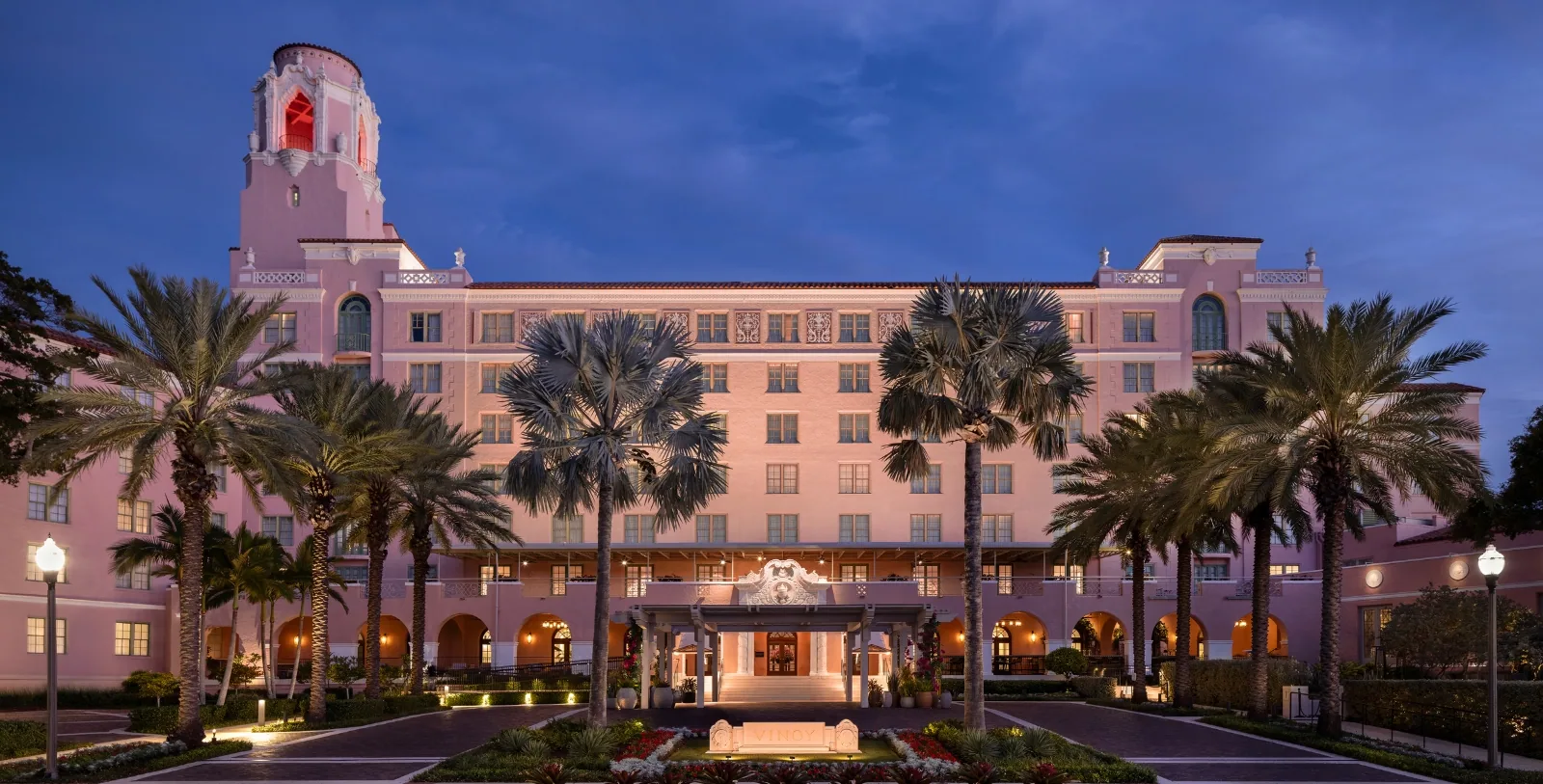
Hotel Roofing in Garden Grove, CA
Hotel Roofing
Coordinate hotel roof inspections and repairs in Garden Grove around guest rooms, rooftop equipment, events, property access, and daily operations.
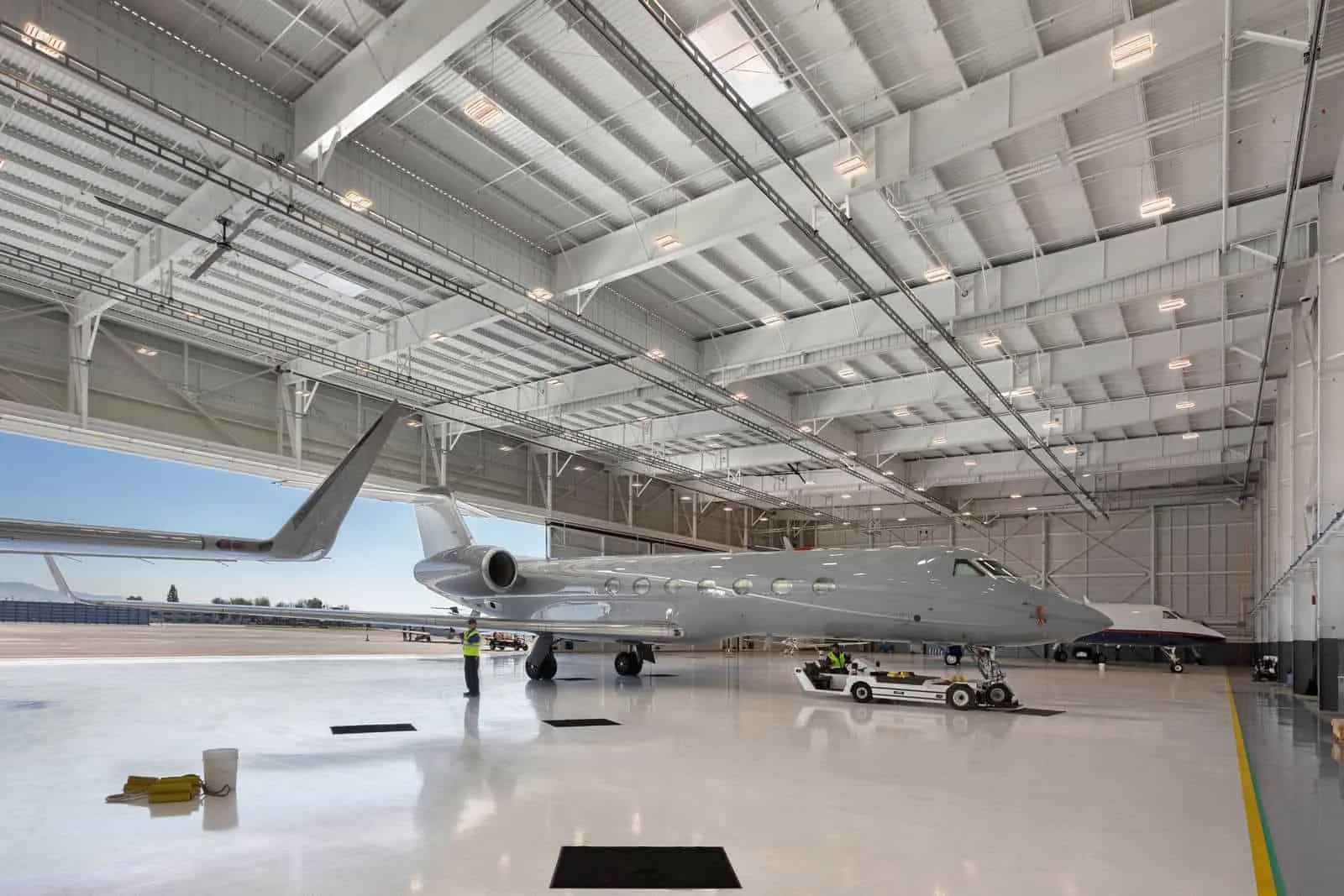
Hotel roofing work has to protect guests and staff while keeping entrances, deliveries, mechanical systems, and meeting spaces in service. A leak may affect a guestroom, lobby, kitchen, pool enclosure, ballroom, or back-of-house corridor, and the room below often needs attention before the entry point is confirmed. We review the report, available roof plans, service history, and operating constraints, then inspect the roof details connected to the affected area. The resulting scope defines a work zone and identifies what the hotel team needs to approve.
Hotels often change equipment and interior layouts over time. A roof may contain several generations of membrane, added HVAC units, exhaust, antennas, or repairs around new mechanical curbs. We use records and a field walk to identify those changes and evaluate transitions before recommending a repair or broader project. The proposal states which sections are included and where a test opening or specialist review could resolve an unknown layer or deck condition.
Hotels in the International West Harbor District or Anaheim Resort District service areas can have distinct event and guest schedules. Location informs access planning, while the property’s own roof assembly and operations determine the work method.
Connect Guest Reports With Roof Details
Record the room or public space, date, and conditions associated with a leak report before selecting a repair. Water can travel under the membrane or along structure before appearing indoors, so a ceiling mark is a starting point rather than a confirmed opening location. We inspect seams, penetrations, drains, wall edges, skylights, equipment curbs, and transitions near the affected zone. Notes should distinguish observed damage from likely causes and state whether any area was inaccessible.
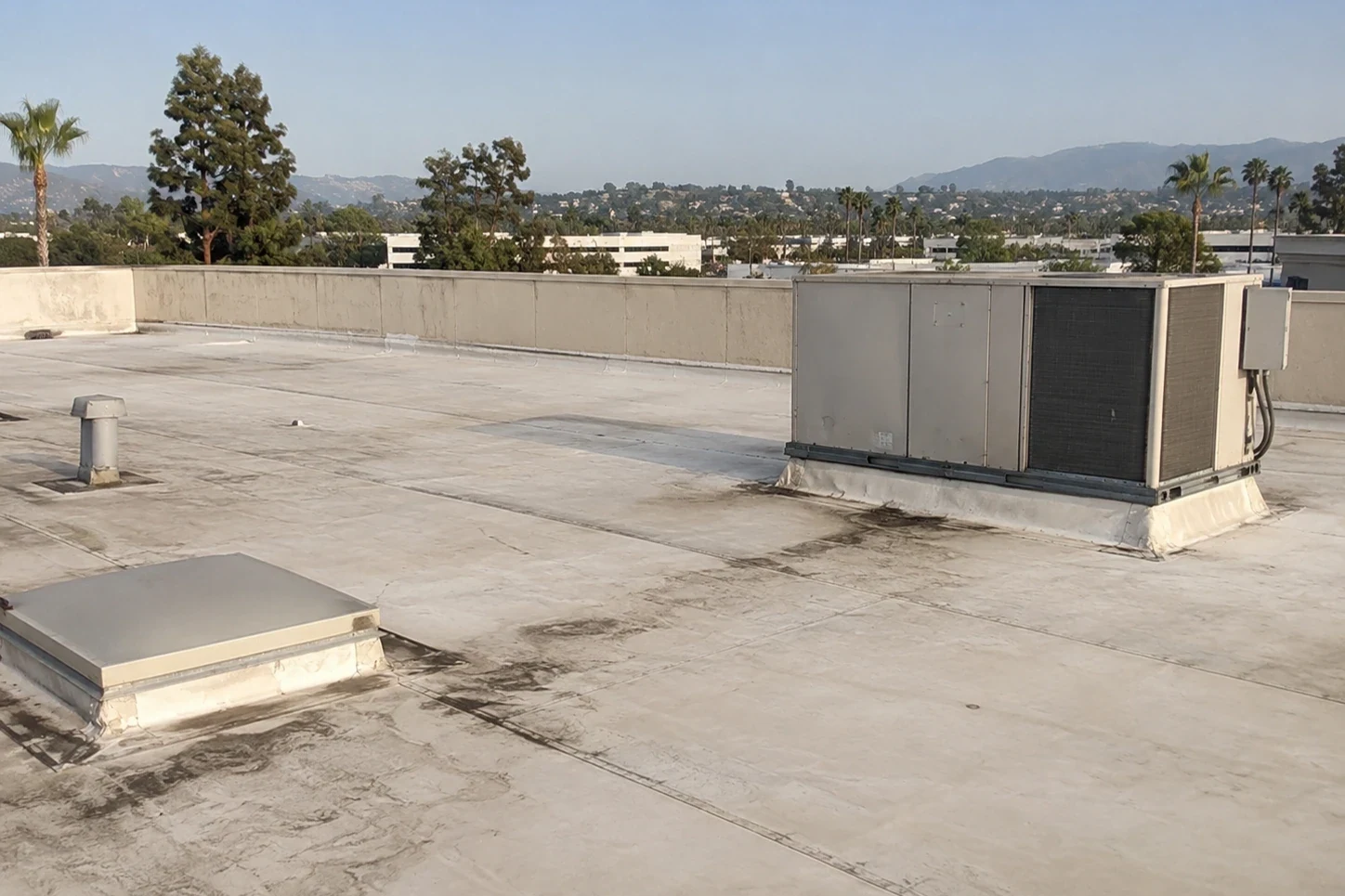
Hotel roofs may have pools, kitchens, ventilation equipment, service cores, and guest amenities at different levels. Each change in height, enclosure, or use can create a detail that needs to be reviewed. The inspection checks flashing at curbs and walls, membrane movement, drainage paths, and visible signs of prior patches. If equipment service created a recent penetration or roof opening, identify the responsible vendor and compare that work with the current conditions.
A skylight and penetration inspection can document specific interfaces where flashing or a curb needs attention. If moisture under the roof could change the repair method, note what testing is needed before closing the assembly. The report should give hotel engineering staff a practical sequence of immediate protection, repair, and follow-up investigation.
Protect Guests and Keep Routes Clear
The hotel manager decides what guest-facing areas and service routes remain in use during each phase. Before mobilization, confirm roof entry, staging, lifts, deliveries, debris handling, entrances, parking, and any event schedule that could conflict with the work. A defined phase may limit activity to one wing or roof zone while the hotel maintains service in the rest of the building. The property contact approves temporary route changes and guest notices.
Interior protection should be planned for the rooms directly below the active roof area. The engineering team can identify guestrooms, banquet spaces, food service, records, and equipment that need protection or a temporary access limit. If a room needs to be taken out of service, hotel leadership controls that decision and the return to occupancy. The roofing scope describes anticipated work and noise so staff can coordinate room blocks or work hours according to their procedures.
Delivery and vendor coordination also matter. Identify where material trucks can stage and how staff will move supplies without crossing guest paths. If a lift or crane is planned, review the location and timing with hotel management. For an active leak, a commercial roof leak repair should specify the temporary and permanent work boundaries separately.
Select a Roof Approach From Inspection Evidence
Whether to repair, recover, coat, or replace depends on membrane condition, insulation, deck, drainage, edges, and how previous renovations changed the assembly. We document available evidence and mark assumptions in the proposal. If the decision relies on concealed layers, a controlled test opening or qualified design input can help before the hotel commits to a larger scope. The owner should understand what can be priced now and what requires a separate decision.
A focused repair may address an isolated opening where nearby material remains suitable. If leaks recur across different wings, moisture is found in the assembly, or multiple flashing details have failed, evaluate a larger roof area. A coating needs a compatible, stable surface and preparation; it does not resolve a leak path or wet insulation on its own. A recover may preserve some existing material but requires review of attachment, added height, drainage, and edge conditions.
Replacement planning should define removal, insulation, cover board, curb transitions, walls, drains, and temporary protection. For an occupied property, sequence those tasks by roof zone and identify which trade handles connected equipment. Garden Grove applies the California 2025 building standards with local changes in Title 18. The hotel team should confirm current permit and design requirements with the building official for the actual project.
Coordinate Engineering, Events, and Weather
Hotel engineering should identify equipment that cannot be interrupted and the contractor responsible for each rooftop system. The roofer can coordinate flashing details and safe access, while shutdown, disconnection, and restart stay with the qualified mechanical or electrical trade. Agree on these responsibilities before opening work near a curb or support. Where the roof interfaces with a pool, kitchen exhaust, or other building systems, the facility contact confirms who reviews the condition before it is covered.
At the start of a shift, the crew and property contact can review the active zone, forecast, work noise, deliveries, and guest-route changes. Any temporary opening needs a secure dry-in plan and an end-of-day check. If weather or hidden damage changes the task, record the location and request approval before extending the scope. A daily work note helps the hotel team keep engineering, housekeeping, security, and event staff aligned.
Garden Grove’s hazard planning covers earthquake, fire, flood, and severe-weather conditions affecting local facilities and infrastructure. Hotel leadership should apply the property’s emergency procedures, keep exit and service access clear, and identify who can pause work or authorize temporary protection. The crew should receive those directions before the first roof zone is opened.
Maintain a Record Across Renovations
Closeout should identify roof zones completed, repairs made, materials installed, photos, changes approved during work, and sections excluded from the project. Store the record with roof plans, equipment history, and renovation documents. When a later room report arrives, hotel staff can connect the date and location to the relevant roof area instead of relying on a general contractor note.
Maintenance checks can review drains, seams, roof edges, curbs, skylights, and areas modified by other vendors. Keep a record of new equipment installations or signage changes because they may alter the roof surface. A scheduled inspection can update the condition history and flag details for repair, but it cannot prevent every leak or unexpected event. The hotel decides how findings fit its capital and room-maintenance planning.
Hotels with food-service operations can compare exhaust coordination with restaurant roof planning; properties with residential wings can review apartment roof considerations. Guest circulation and room schedules remain specific to each property. Keep each recommendation tied to inspection evidence and the building zone it affects.
Commercial Roofing Questions
Can a hotel remain open during roof work?
Often, if hotel management approves the work boundary, access plan, schedule, and guest communication. The exact arrangement depends on which rooms and services sit below the active roof zone.
How do you respond to a leak in a guestroom?
Record the room and report date, protect affected contents, and inspect related roof transitions. The visible ceiling mark helps guide the assessment but does not confirm the roof opening location.
Who handles hotel rooftop equipment?
The qualified contractor responsible for each system handles shutdown, movement, and restart. The roofer coordinates the curb and membrane work within the approved scope.
Can the roof be coated instead of replaced?
Only when the existing surface and assembly are compatible and stable. Moisture, drainage, preparation, and flashing details need evaluation before a coating is selected.
What should be in hotel roof closeout?
Include the completed zone map, photos, repair limits, installed materials, approved changes, excluded areas, and follow-up findings with the hotel’s roof and equipment records.
Plan roof work around guest operations
Share the roof plans, leak reports, hotel schedule, equipment contacts, and access procedures. We can document the affected zones and prepare a work plan for property review.
Or call 555-555-5555 · [email protected]