Service Areas · Garden Grove, CA
Commercial Roofing in Anaheim Canyon, Anaheim, CA
Anaheim Canyon, Anaheim
Commercial roofing in Anaheim Canyon, Anaheim, CA, with inspections, repairs, and tie-in planning for industrial and technology properties.
A panel seam crossing a curb can pull against the flashing when the support moves or the panel expands. In Anaheim Canyon, where industrial and technology businesses share a broad employment area with freeway and commuter-rail access, the roof decision begins at the actual service interface. We inspect the field sheet, curb base, and adjoining attachment before setting a repair line. A workable scope accounts for the roof material, the equipment trade, and the access route that can be used during the job.
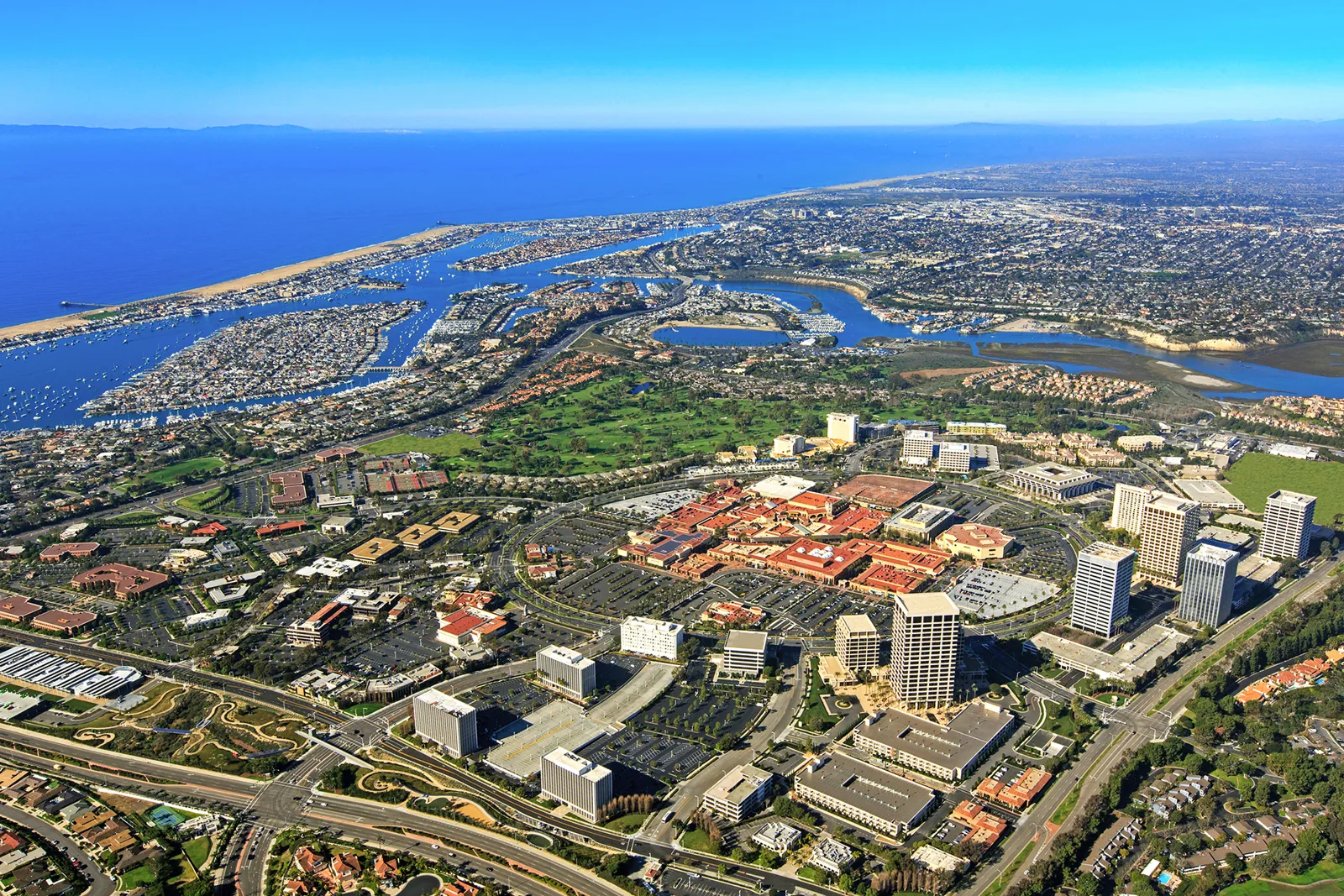
Anaheim Canyon is a major industrial and innovation area with industrial and technology businesses. Public improvements include sidewalks, landscaping, and roadways. Those uses make site access and trade coordination relevant to roofing work, but they do not reveal the assembly on an individual property. We document the field condition and receiving surface at the requested building, then match preparation and closure to what is installed.
Follow the Roof Connection Around Equipment
Start at the reported leak or damaged area and follow the detail that could carry water toward it. A curb, conduit, pipe boot, expansion joint, and panel edge interrupt the roof field in different ways. We inspect each connection for loose flashing, open laps, movement, and prior sealant that may interfere with a new bond. The condition is photographed by roof zone so the owner can distinguish a confirmed opening from a surface mark that needs closer examination.
Where an industrial or technology operation depends on rooftop service equipment, we identify which component must remain accessible and who can coordinate the release. If a base needs adjustment, roofing closure waits until the responsible trade has stabilized it. A commercial roof inspection records the installed material, drainage path, perimeter, and concealed questions. A separate Garden Grove industrial district uses a different property record, even where equipment and production are part of both owners' discussions.
Prepare a Receiving Surface That Can Hold the Repair
A flashing repair lasts only as long as the surface below its edge can accept the material. We remove loose or incompatible layers until the tie-in reaches sound membrane or a suitable substrate. If moisture extends into cover board or insulation, the repair boundary moves far enough to include that affected layer. An infrared survey may help select areas for confirmation when roof conditions suit the method; any concealed finding that changes the scope is reviewed before permanent closure.
At a metal transition, the panel's movement and the flashing termination have to be resolved together. A rigid cover over a moving seam can split at the next temperature cycle. We check the fasteners, clips where accessible, termination bar, and adjoining metal before choosing a compatible repair. An edge metal and coping review can address perimeter connections that participate in the same water path. The work plan identifies which surface receives the new flashing and which point remains available for inspection.
Select a Repair Method for the Installed Assembly
Color and building use cannot identify a membrane. We confirm whether the roof is TPO, PVC, EPDM, modified bitumen, built-up roofing, metal, or a coated assembly before ordering repair material. Thermoplastic seams need proper welding conditions; EPDM requires compatible cleaners and seam materials; metal panels need details that accommodate movement. A standing-seam metal assembly therefore gets a different tie-in review from a membrane field.
If the roof has several repair generations, we inspect where older patches meet current material and whether each layer remains bonded. A localized correction may fit where the surrounding assembly is stable. Repeated failure, wet insulation, or unsuitable attachment can make a broader replacement evaluation more useful. A commercial roof replacement plan considers removal, substrate condition, new perimeter heights, equipment resets, and daily protection. Cost and duration follow the amount of exposed work, access limits, and trade tasks that must precede closure.
Coordinate Deliveries and Weather Protection
Freeway and commuter-rail access are part of Anaheim Canyon's setting, while the property contact determines where roofing materials can be staged and lifted. We map the delivery route, roof access, work zone, and area below that needs protection. Sidewalk and roadway improvements around the district make it especially useful to confirm current access controls before a lift or material delivery is scheduled. The roof sequence also notes the time needed to prepare a tie-in and secure the open edge at the end of each work period.
Nearby Santa Ana Fire Station normals show more precipitation in January and February than in August. For a project in Anaheim Canyon, that regional seasonal pattern helps set drain checks and temporary dry-in planning ahead of wetter months. We inspect discharge points before opening the roof and keep protection matched to the actual assembly. When a support or penetration is changed later, the repair record identifies the new tie-in so the next service visit can inspect the same interface.
Timing and cost also reflect removal depth, the number of penetrations, repair access, and whether an equipment trade must move or release a support. We identify those dependencies in the proposed sequence and mark any concealed base condition that could enlarge the opening. If investigation changes the material boundary, the owner reviews that adjustment before permanent work continues. This keeps a repair allowance tied to known roof tasks instead of assuming that the visible sheet describes every layer beneath it.
Leave the Next Trade a Clear Tie-In
A completed roof detail needs a receiving surface, secure attachment, and an inspectable termination. We close only after adjacent support or equipment work is ready and the proposed connection has been reviewed. The closeout records the repair area, material, preparation, photographs, and any item awaiting a later trade. If the work affects a broad area, we divide it into zones that can be protected and returned to service in sequence.
Property teams working across the region may also have facilities in the Western Avenue industrial area. Each site receives a separate roof map, access plan, and scope. For Anaheim Canyon, the area-wide mix of technology and industry helps frame questions about service routes, but the building's observed layers determine repair or renewal. A roof condition report can keep photos and open items with the maintenance record, making the next review specific to the repaired interface.
Commercial Roofing Questions
What should an Anaheim Canyon roof inspection cover?
We trace the reported condition through seams, curbs, penetrations, edges, and drains, then identify the roof material and any trade-controlled components. Photographs show the affected zone and the surface that must receive the repair.
Can equipment remain in service during roofing work?
The affected component and work boundary determine whether service can continue. We coordinate the release with the property's equipment contact, protect the opening, and plan closure after any required support or curb task is complete.
How do you choose between a patch and broader replacement?
A local repair can fit when adjoining material and substrate remain suitable for a tie-in. Moisture, repeated seam failure, weak attachment, or a damaged base may expand the scope. We document those findings and compare repair with replacement before adding removal work.
Does freeway or rail access decide where roofing materials can be staged?
Those routes describe the district's transportation setting, while the property controls lift placement, delivery access, and staging. We confirm the building route and site requirements before scheduling material movement.
What should be retained after a roof connection is repaired?
Keep the repair location, system and material details, preparation record, close and wide photographs, and any inspection hold point. We tie that record to a usable roof zone so future service can return to the same interface.
Arrange an Anaheim Canyon roof walk
Share the property location, reported condition, available roof records, and any equipment or access restrictions. We will inspect the receiving layers and coordinate the repair sequence before the next trade closes the connection.
Or call 555-555-5555 · [email protected]