Commercial Roofing Services · Garden Grove, CA
Commercial Roof Edge Metal, Coping, and Gutters in Garden Grove, CA
Commercial Roof Edge Metal, Coping, and Gutters
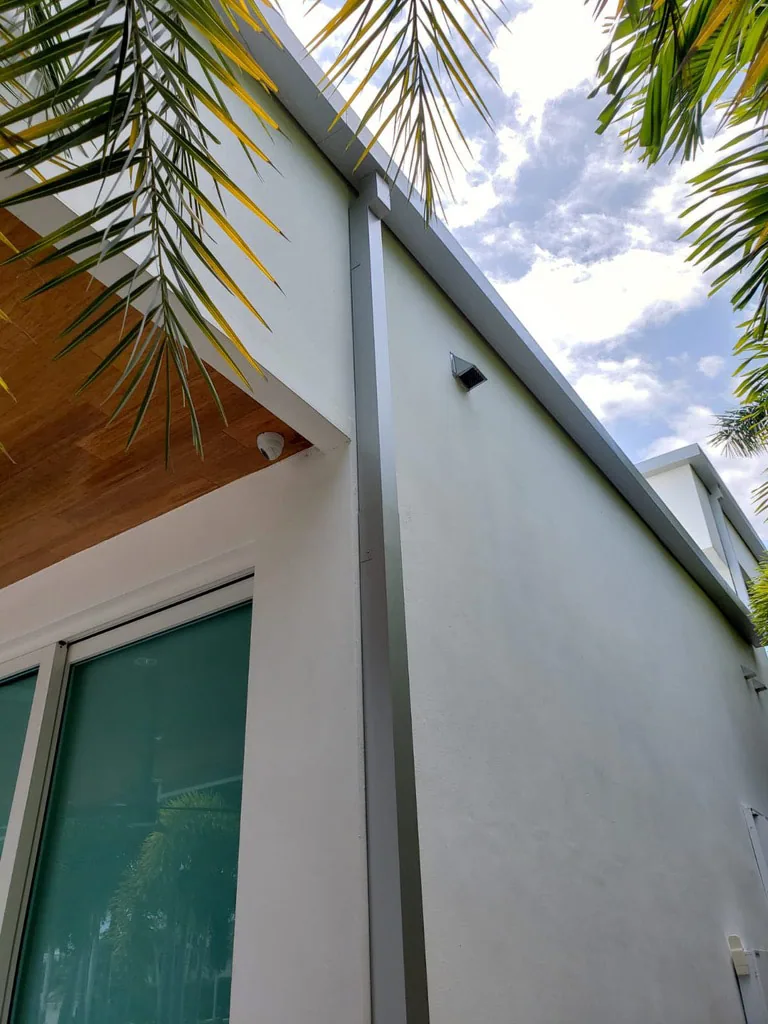
Commercial roof edge metal, coping, and gutter work in Garden Grove, CA secures membrane terminations and manages runoff at the building perimeter.
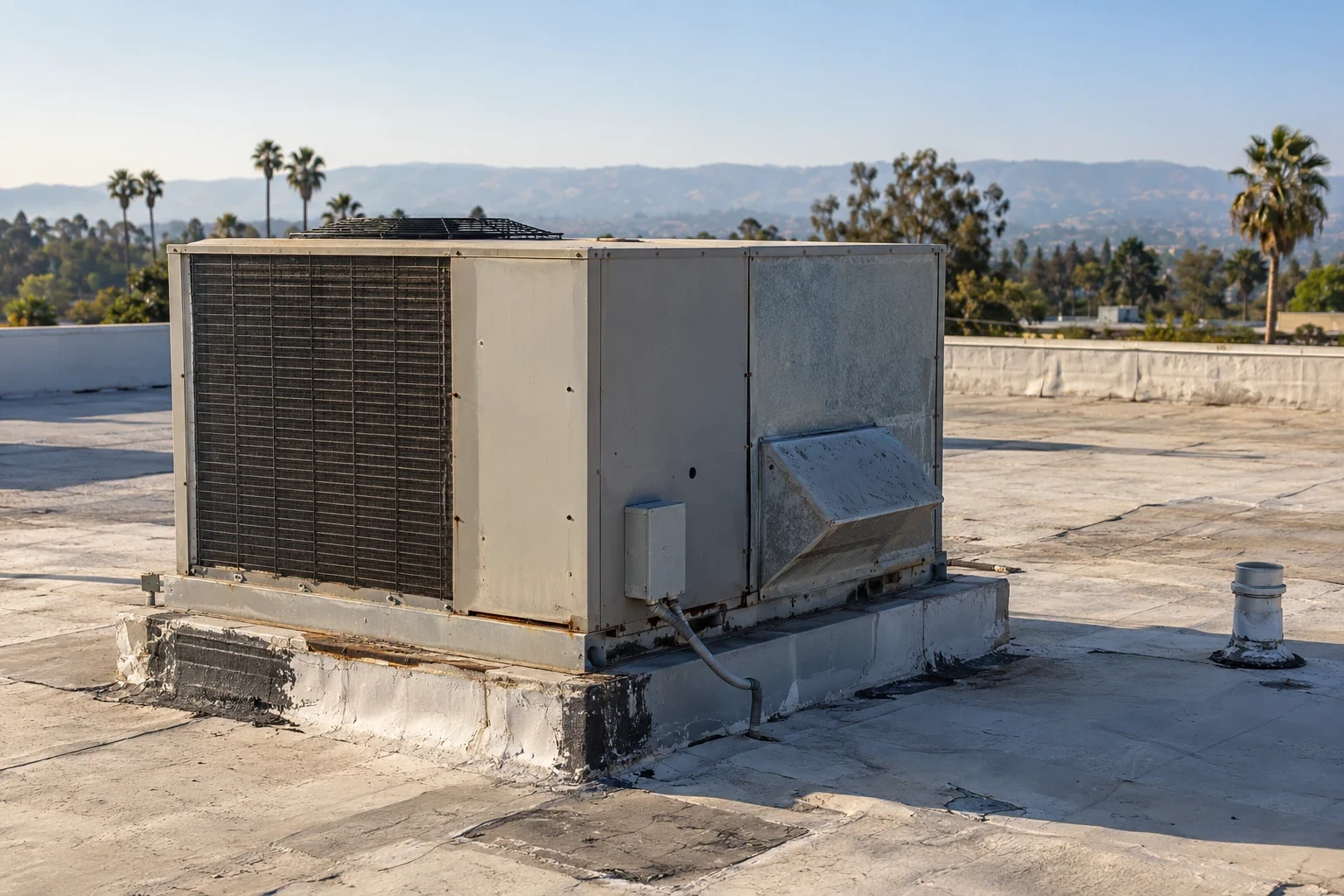
A roof edge closes the membrane where wind, runoff, and wall construction meet. On a commercial property in Garden Grove, CA, we inspect the coping, edge metal, fascia, and gutter as a connected termination. A loose cleat or open splice can admit water behind the face and wet the roof edge even when the field membrane looks sound. We trace the detail to a secure stop, check how runoff leaves the roof, and document the materials that need repair. That gives the owner a boundary for correcting the edge without treating every linear foot as the same condition.
Follow the Termination Around Each Roof Zone
We check coping joints, cleats, fasteners, end dams, corners, fascia seams, gutter hangers, and the membrane turn-up beneath the metal. At transitions, the metal should shed water outward and remain attached as the roof moves. Open laps, pulled fasteners, rust, and separated sealant each call for a different correction. We also look for staining behind the edge and compare it with interior leaks, since water can travel along the deck before appearing indoors. Photos show the joint, its fasteners, and enough adjacent wall or roof to locate the detail later. We check the metal's lower edge for a return or drip that directs water clear of the wall, and inspect corners where a short splice can open under movement. The photo record identifies which elevation each condition belongs to.
Garden Grove includes commercial, office, industrial, and mixed-use buildings. Knott Street and Western Avenue form Garden Grove’s industrial and manufacturing district; near rooftop process equipment or loading areas, coordinate lift and ladder placement with the facility team. Garden Grove Boulevard's mixed commercial and office uses can put a parapet repair above active tenants. We confirm site access and work windows with the property team. If the metal edge is part of a larger water path, a leak inspection can connect the exterior finding to interior reports.
Remove the Failed Metal Before Rebuilding the Edge
Edge repair starts by exposing enough of the assembly to reach secure attachment and sound membrane. We remove loose metal and failed sealant, check the substrate, and rebuild the termination with cleats, fasteners, splice plates, or replacement sections suited to the detail. A face-only bead does not correct a loose cleat or open membrane turn-up. At a gutter, we inspect the back edge, joints, outlet, and slope so water does not run behind the metal. If the deck or nailer is deteriorated, the owner needs to approve the added work before the edge is closed.
At a parapet, the coping must secure the membrane termination and shed water across the wall top. The flashing repair should follow the condition from corner to corner, with joints detailed for movement. Where runoff collects at a scupper, a drainage detail may be part of the same scope. We mark each section to replace and each section that can remain, avoiding a blanket metal replacement where only a few joints have failed.
Choose Metal and Membrane Details Together
Metal thickness, finish, cleat type, fastener spacing, and joint treatment affect how the edge stays attached and sheds water. The membrane turn-up and metal cover must form a compatible termination. We confirm the existing system and use the specified materials for repair, accounting for dissimilar metals and corrosion risk where components meet. For gutters, the outlet and downspout need to carry water away from the wall. The scope states the metal profile, fastening, splice, corner, and end-dam conditions so the installer can match the existing roof geometry.
The Garden Grove code adopts the 2025 California Building Code with local Title 18 modifications. A changed edge assembly may require project-specific review; we confirm permit requirements with the building official. A standing-seam metal roof edge has different panel movement and flashing conditions from a low-slope membrane edge. On membrane roofs, the TPO termination must be coordinated with the metal attachment. We identify where those systems meet rather than specifying metal and membrane as separate, unrelated repairs.
Stage Edge Work Without Blocking the Property
Edge metal may require lift access, pedestrian controls, or temporary protection below. We plan the route, establish the work zone, and confirm where material can be cut and staged. For occupied buildings, the site contact identifies entrances, loading, and rooms below the edge. The crew removes only the metal needed for the approved section and covers exposed membrane if weather interrupts. Where a gutter must be disconnected, we agree on how runoff will be managed during the work and when the downspout can return to service.
Harbor Boulevard and Beach Boulevard are among Garden Grove’s commercial streets, and Trask Avenue has a planned auto-sales and repair cluster. Property layouts determine lift placement and parking needs, which we confirm with the site contact. A site sequence can keep customer paths and vehicle areas separated from the work zone. For multi-side repairs, we label each elevation and confirm the order with the property team before setting the first lift.
Check the Edge After the Fasteners Are Set
Closeout checks cleat attachment, metal joints, corners, end dams, membrane termination, and water direction at gutters. We photograph the completed sections and identify any existing edge that remains for later work. A gutter outlet should be clear, and a repaired joint should not leave a sharp lip or open path behind the fascia. If the substrate was replaced, the record notes where new material begins and which fasteners were installed. Those details give a later inspection a reliable boundary. Where the existing metal remains in place, we note its condition and the reason it was excluded from the approved repair. A later estimate can then address that section without confusing it with the newly completed edge.
After HVAC or sign work, trades should not drill through coping or membrane without a coordinated detail. A maintenance review can inspect new penetrations, loose joints, and gutters for debris. If staining appears at the wall or soffit, a roof inspection can follow the edge from the roof side and compare the path with interior observations. We preserve the repair photos and edge map in the building's maintenance file.
Commercial Roofing Questions
What causes water to enter at a roof edge?
A loose cleat, open splice, failed end dam, damaged membrane turn-up, or poor transition can leave a path behind the coping or fascia. We inspect the metal and roof termination together and compare staining with interior reports. The repair boundary extends to secure attachment and a sound membrane tie-in.
Can we seal the coping joint instead of replacing metal?
That depends on whether the metal remains attached and the joint is designed to be sealed. Sealant cannot secure a loose cleat or correct a failed membrane termination. We inspect the joint movement, fasteners, and substrate, then identify whether resealing, a splice repair, or a section replacement is appropriate.
How do you know if a gutter is part of the roof leak?
We look for water behind the back edge, failed joints, loose hangers, blocked outlets, and the membrane connection above the gutter. A leak may also travel from a nearby wall or roof penetration. The site record shows which condition was observed and whether a test opening is needed.
What should an edge-metal repair scope include?
It should identify the roof and wall conditions, metal profile, cleats, fasteners, joints, corners, end dams, membrane tie-in, access equipment, and temporary protection. Photos should mark the sections being replaced and those left in place. Any damaged nailer or deck needs an approval point before the metal is closed.
Measure the roof before choosing the repair path
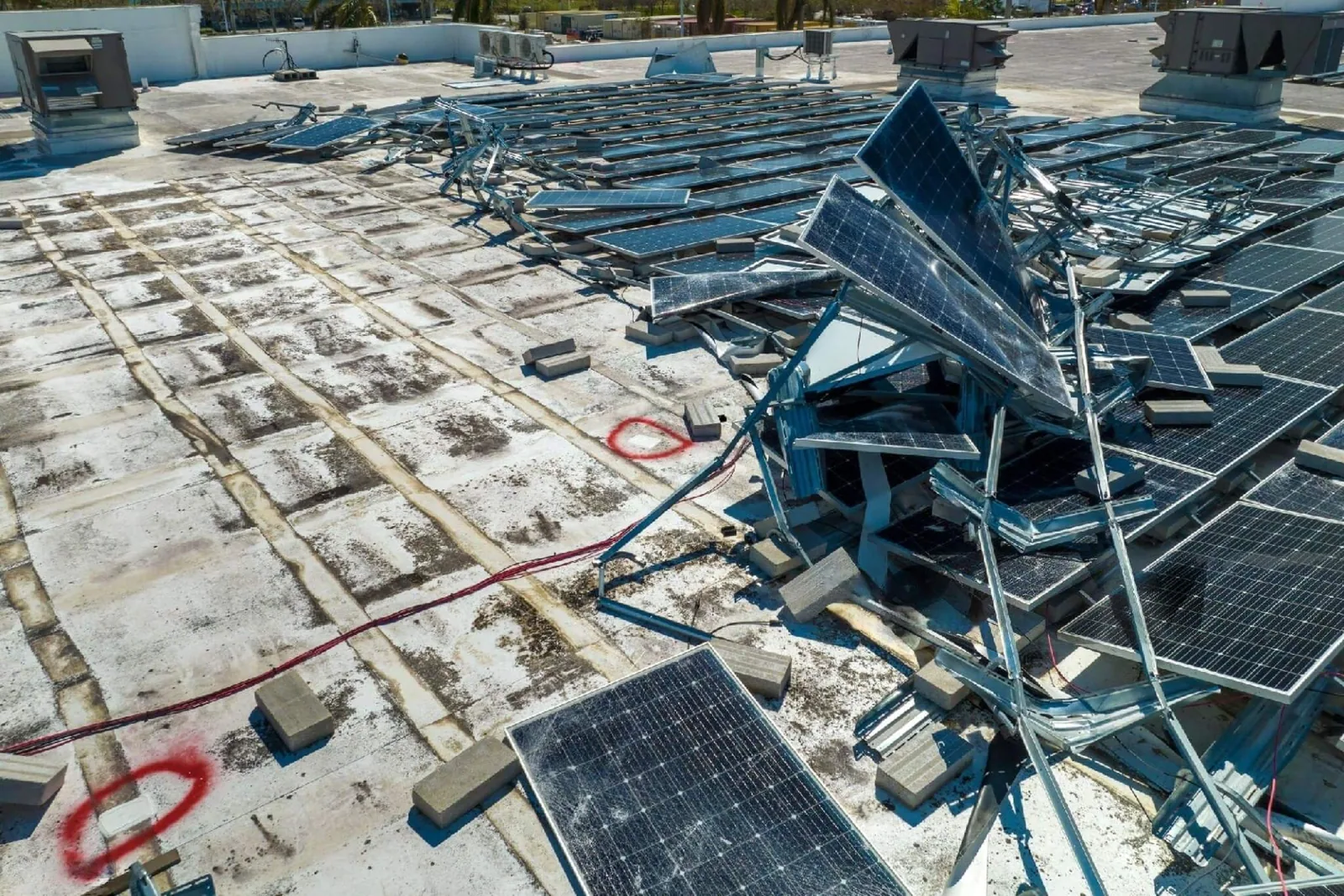
Arrange a roof walk with available plans, leak records, and access constraints. We will trace the assembly, mark the work boundary, and prepare a scope for your Garden Grove building.
Or call 555-555-5555 · [email protected]