
Service Areas · Garden Grove, CA
Commercial Roofing Along the Katella Avenue Corridor, Stanton, CA
Katella Avenue Corridor, Stanton
Commercial roof inspections, leak repairs and maintenance along Stanton’s Katella Avenue corridor. Plan access and repair scopes around active businesses.
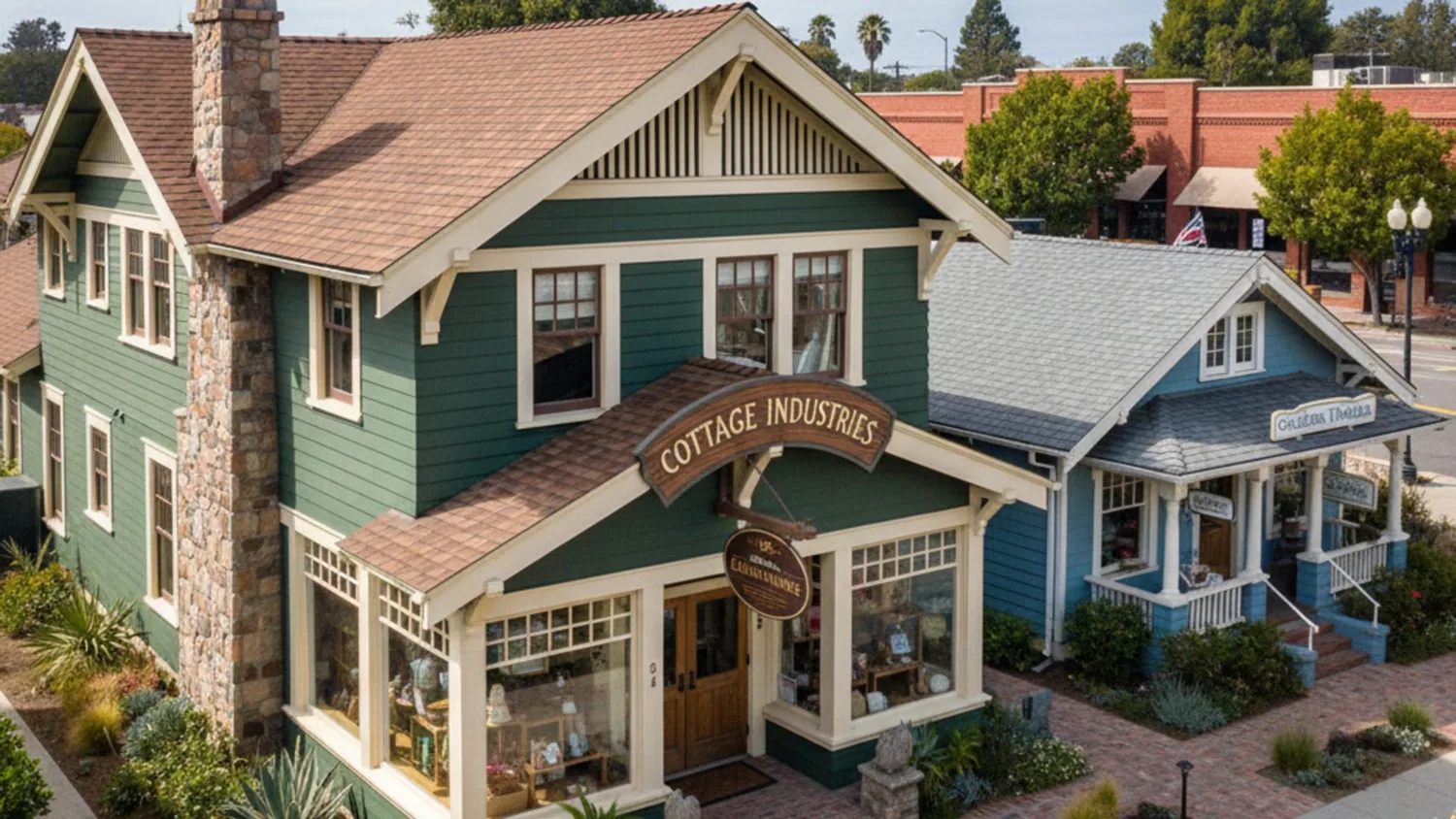
Katella Avenue carries commuter and other traffic through Stanton, and city policy encourages more commercial uses in mixed-use nodes along the arterial. The city also identifies Katella as a place for economic revitalization. For a building owner, a roof project on this corridor has a visible ground-level side: customer entries, deliveries, parking, and business access must be considered alongside the seam or flashing that needs repair.
We inspect the roof at the property in question, tracing the reported leak through field seams, parapets, equipment curbs, penetrations, and drains. Trace the water path from the interior mark across nearby seams, penetrations, and drainage features before setting the repair boundary. The inspection records the route we can verify, the materials at the tie-in, and any area that would need a test opening. That gives the owner a defined repair boundary and a practical decision about whether a local fix, restoration review, or replacement comparison fits the actual roof.
Read the Roof Before the Corridor Changes
At the first roof walk, we locate the leak report on a sketch and compare it with accessible details above the affected space. Check the membrane laps, edge terminations, curb flashings, drains, scuppers, and any repairs already in place. Water can move below the surface before it reaches a ceiling, so the opening may sit away from the interior mark. We photograph the observed condition and note the path that supports the proposed repair, with each image tied to a roof zone.
Because Katella is a major arterial and mixed-use nodes are part of the city’s commercial policy, access and scheduling deserve early attention. A lift location, delivery lane, storefront entrance, or shared lot can determine when materials reach the roof. We ask who controls the access point and whether any work hours are restricted before setting the sequence. If another trade has recently changed a penetration, include that work order in the inspection record. A commercial roof inspection should identify both the roof detail and the conditions that control how it can be repaired.
Keep Customer Routes Open While Work Moves
Before staging, confirm the approved roof entry, fall-protection approach, material drop point, and the ground area needed for access. A busy road frontage may leave little room for a truck or lift, so the property contact should approve the route before delivery is scheduled. Identify business hours, loading needs, customer entrances, and any shared parking areas that must remain available. Those details affect the size of each work zone and the time needed to close it safely at the end of a shift.
For a multi-day project, divide the roof into areas that can be opened, dried in, and secured in sequence. Tell occupants when noise or access changes are expected, and identify the person who can approve additional work if removal uncovers wet insulation or deck damage. A phased reroof plan can move work around operating needs while keeping the daily stop line clear. If an urgent leak requires a temporary cover, document its location, limits, and the permanent repair still needed. The crew should leave the roof safe and the ground route usable each day.
Trace the Opening and Close It on Sound Material
A lasting repair needs to extend beyond loose material to a surface that can receive the correct preparation and tie-in. At a membrane seam, inspect the lap beyond the visible split. At a parapet, curb, or wall, check the flashing and termination with the field membrane. The written scope names the roof zone, materials, preparation, repair limit, and secure stop. If the opened area reveals a larger failure, take photographs and obtain approval before the crew expands the work.
When water is active over an occupied business, protect the interior while the entry point is being confirmed. Our leak repair assessment records the entry detail and separates immediate control from permanent work. If multiple leaks share a roof edge or drain path, a drainage review can determine whether water is being held at the assembly. Repeated repairs across several zones may justify a replacement evaluation. The owner should be able to compare the repair boundary with the wider option before selecting a schedule.
Prepare for the Wet Season at the Actual Roof
Nearby Santa Ana’s July and August normal highs are 82.5 and 84.6 degrees. Use the late-summer interval to inspect exposed laps and sealants, then clear drains and secure temporary protection before winter work. Confirm the current forecast before opening an area of the Katella roof.
Before rain, clear debris from drain bowls and confirm that overflow routes discharge freely. Inspect temporary patches and any unfinished flashing before leaving the site. If a coating or adhesive repair is planned, the crew must confirm that substrate and weather conditions meet the product requirements. Planned maintenance can record these checks by roof zone. For an older assembly with recurring failures, restoration review should include drainage and substrate condition, not just the exposed surface. That sequence reduces the chance of treating a clogged outlet as a membrane defect.
Match the Repair Product to the Existing Assembly
Do not choose a patch from color or surface appearance alone. We review roof plans, service records, seam construction, edge details, and prior repair products to identify whether the assembly is TPO, PVC, EPDM, modified bitumen, built-up, metal, or coated. When a prior recover obscures the underlying roof, a test can establish what material is receiving the tie-in. The proposal should state which surface will be prepared and how the patch will close the transition.
A coating may be considered when the substrate is dry and stable, the details are secure, and the drain path works. It cannot correct wet insulation, a weak deck, or a failed curb flashing. Recover work also requires review of load, edges, and existing layers. If a material match is uncertain, resolve that before estimating a large area. For a low-slope membrane, compare a TPO repair approach with the installed system; for an exposed metal assembly, metal retrofit work needs a separate review of panel attachment and closures. For wider portfolios, keep separate records for the Garden Grove Industrial District and Trask Avenue Auto Center, and compare each inspection with that property's own roof plan.
Commercial Roofing Questions
What should a corridor property manager provide before the roof walk?
Send the roof plan, leak history, past repair records, access instructions, and any restrictions on parking, loading, or business hours. We use those details to map the inspection and prepare a safe work sequence.
Can roof work proceed while Katella Avenue businesses remain open?
Often, if access and staging are coordinated with the property contact. We define customer routes, tenant notice, the daily secure stop, and any interior protection before the roof section is opened.
How can a manager tell whether a leak needs more than a patch?
Compare the visible defect with the roof zone, repair history, drainage, and any concealed material exposed during inspection. Recurring failures or wet insulation may support a broader scope, which we document for approval.
Does the nearby Santa Ana rainfall data predict a Stanton roof leak?
No. It is a regional seasonal reference. The building’s leak history, roof details, drainage, and current weather determine the inspection and repair plan for that property.
What should a temporary cover include?
Record where it sits, how it is secured, which opening it protects, and when a permanent repair will be evaluated. We also check that the cover does not block a drain or overflow path.
Arrange a Katella corridor roof walk
Share the property location, roof plan, leak record, and business-access limits. We will inspect the assembly and prepare a repair boundary or replacement comparison tied to the building’s condition.
Or call 555-555-5555 · [email protected]