Commercial Roofing Services · Garden Grove, CA
Commercial Solar-Ready Roofing in Garden Grove, CA
Commercial Solar-Ready Roofing
Solar-ready commercial roofing in Garden Grove, CA coordinates membrane, supports, drainage, and future array access before installation.
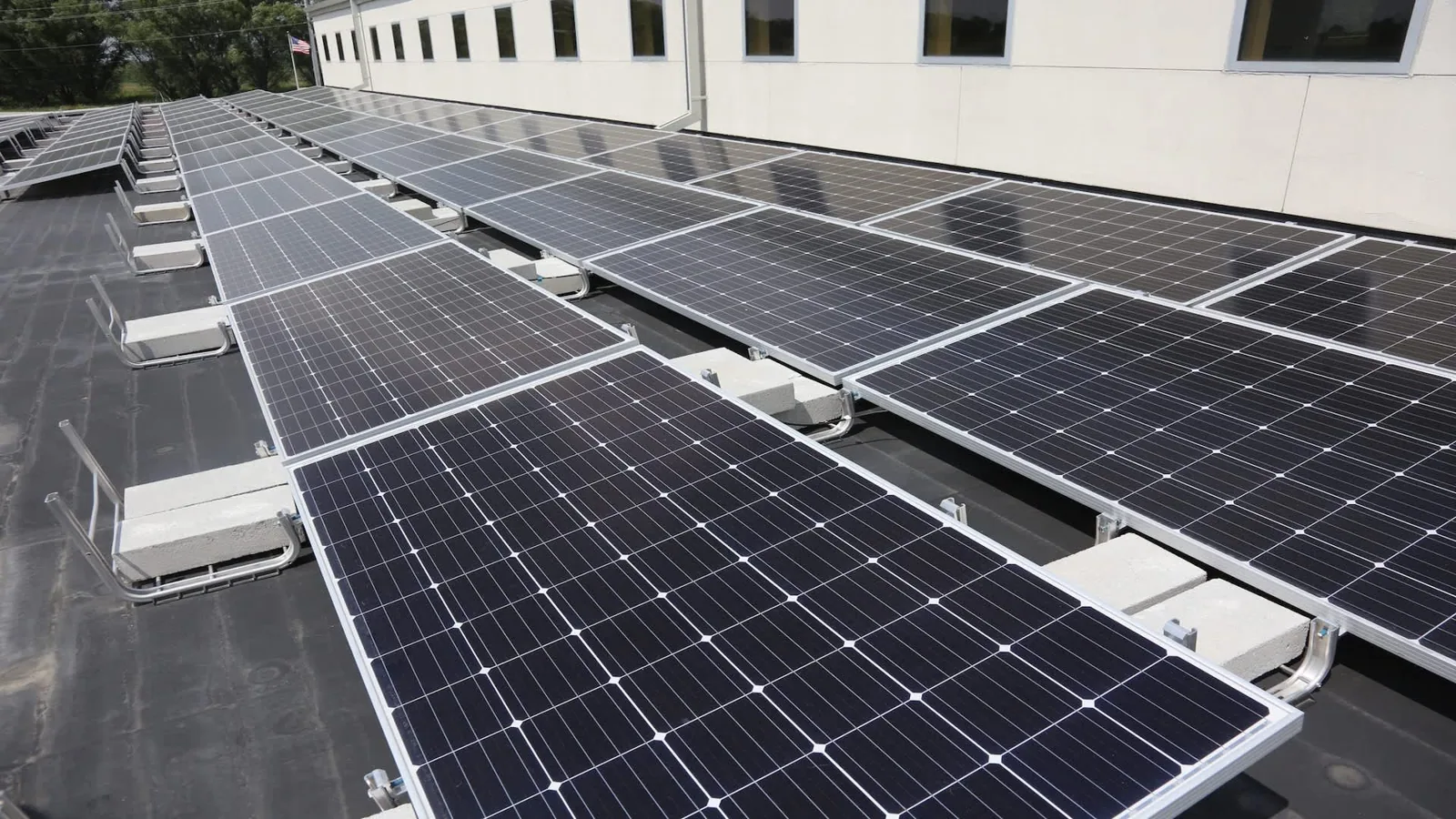
A roof planned for solar needs a membrane and attachment details that can remain serviceable after panels, supports, and wiring are added. In Garden Grove, CA, we inspect the roof condition and identify the areas where future equipment may limit access or change drainage. The roof scope can prepare a stable substrate and document penetrations or support locations, but the solar design team determines array layout, electrical work, and structural loads. Coordinating those decisions before roofing begins reduces the risk of cutting through a finished membrane without a tested flashing detail. If panels are installed before roof repairs are complete, future service can require temporary removal and added coordination. We therefore document the repair boundary and any areas that should remain accessible.
Check Roof Condition and Future Equipment Zones
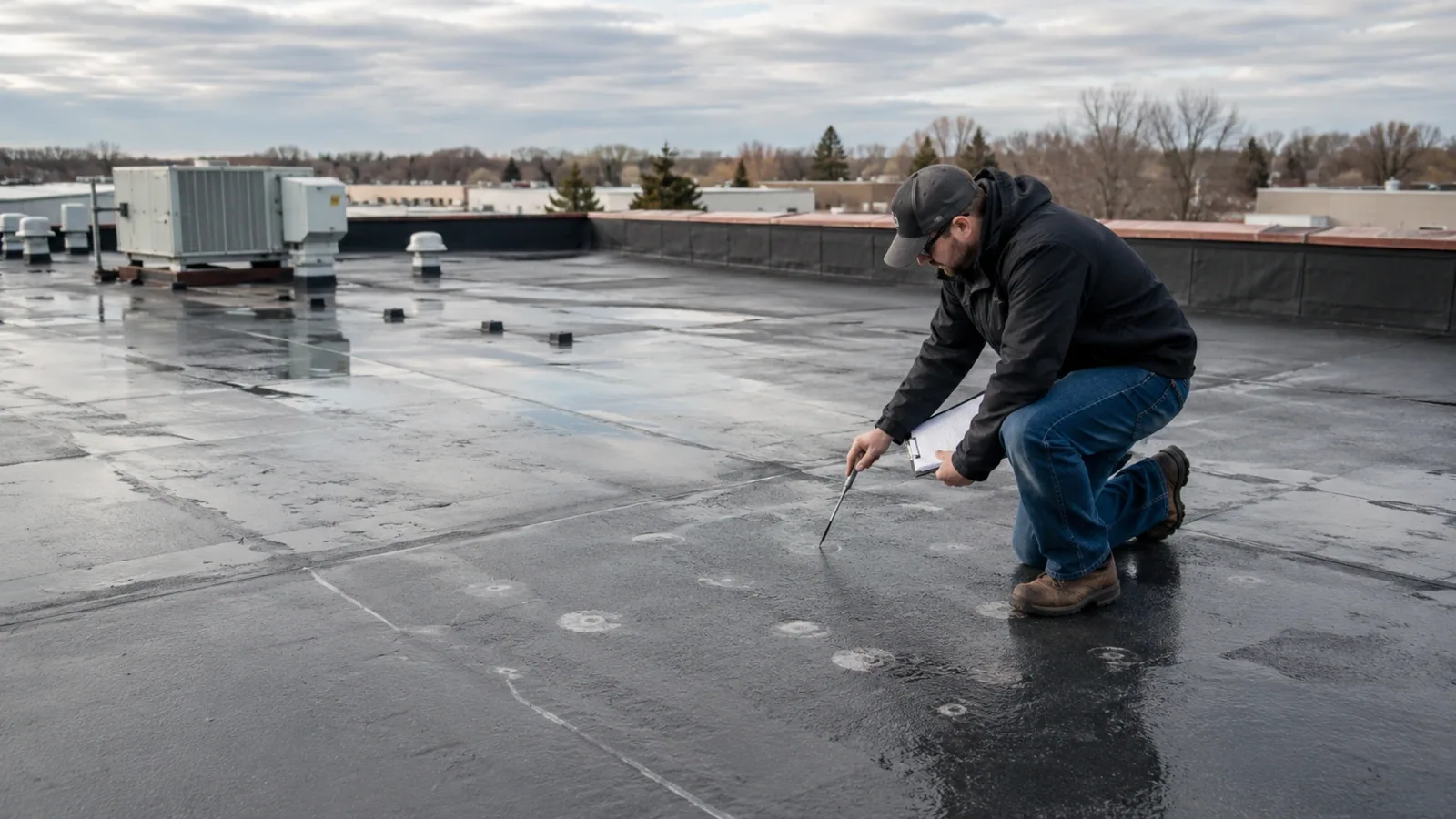
We review the existing assembly, remaining service condition, seams, drainage, and access routes before a solar project is coordinated. A roof with wet insulation or repeated repairs may need replacement before panels restrict inspection access. We map drains, scuppers, curbs, and expansion joints that must remain clear. The solar designer supplies anticipated support points and equipment routes so the roofing team can detail them. We do not infer structural capacity from a roof walk; a qualified structural engineer evaluates the load path and attachment design. The project record should show roof age only when supported by documents, not a guess from surface appearance. More useful for sequencing are confirmed repairs, current moisture findings, and the locations where solar supports or walkways will restrict future access.We also coordinate any roof warranty terms with the solar support plan, since the owner needs to understand who can inspect and repair the membrane beneath equipment. Product documents and project approval govern those obligations; a general statement that a roof is solar-ready does not replace them.
Garden Grove's commercial and office areas along Garden Grove Boulevard and its manufacturing district along Knott Street and Western Avenue include different roof uses and equipment needs. A production building may need service access to process equipment, while an office roof can have tenant and maintenance routes to preserve. We record those constraints with the facility contact. A roof condition report helps the owner identify areas that should be repaired before solar installation proceeds.
Resolve Roof Work Before the Array Covers It
Any known seam failure, wet insulation, or deteriorated flashing should be addressed before panels reduce access. We define the roofing scope by zone and document existing repairs that may need replacement. If the owner plans to reroof, we coordinate the roof assembly and attachment requirements with the solar design team before the membrane is installed. A recover or coating may not fit the structural, drainage, or access needs of a future array. The decision depends on the roof condition and engineering, not a general promise that one surface is solar-ready.
Where the roof needs a new system, a replacement project can coordinate curb and conduit details before closeout. A recover review confirms layer count and attachment if a second assembly is being considered. The roof plan identifies areas reserved for future supports and the approved method for any penetration. The solar contractor remains responsible for its equipment layout and electrical routing; roofing details close each waterproof connection.
Detail Attachment and Waterproofing as One Assembly
Solar supports can be ballasted, mechanically attached, or connected through flashed penetrations, depending on the system design. Each method changes roof loading, attachment, and future repair access. We coordinate the membrane, insulation, cover board, and flashing with the documented support detail. Any penetration needs a curb or boot compatible with the roof system and enough space to create a secure tie-in. We also preserve clear paths to drains and access points so an array does not block water flow or routine inspection.
Garden Grove follows the 2025 California Building Code with local modifications in Title 18. The design team and building official should confirm applicable roof, structural, and energy requirements. A TPO membrane or standing-seam system requires different support and flashing details. We record the selected roof system and approved attachment interface so the solar installer can work from the intended assembly. No penetration should be cut into a completed roof without a reviewed and flashed detail.
Coordinate Roofing, Solar, and Building Operations
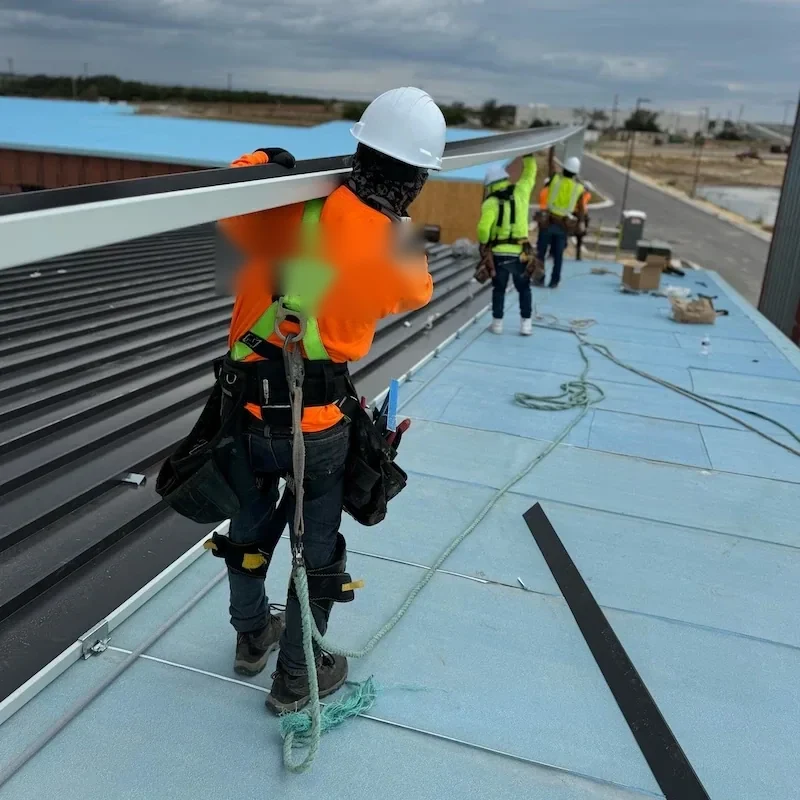
Roof installation and solar work may be performed by separate crews with different equipment and access needs. We agree on which trade installs supports, who protects the roof during material movement, and how new penetrations are flashed. The schedule leaves the roof accessible for inspection before panels cover the field. The property team confirms electrical shutdowns, tenant notices, lift routes, and storage areas. If solar work must follow later, the closeout packet identifies the approved support locations and any roof-access restrictions.
Trask Avenue has a planned auto-sales and repair area where vehicle routes may affect staging; on industrial properties, equipment access may be the primary constraint. We verify the actual site with its operator. An occupied-site schedule protects business access while crews move materials. For maintenance planning after panels are installed, an inspection route should preserve safe access to drains, walkways, and the roof zones still visible.
Keep the Roof Record With the Solar Layout
Closeout includes roof-system information, membrane and insulation details, photos of flashed supports, and a marked plan of reserved or completed equipment locations. It notes who installed the supports and which penetrations were completed by each trade. If the solar array has not yet been installed, the owner receives the roof's access and care requirements so the next contractor can plan material movement. A file that connects the roof drawing to the solar layout helps future service avoid unplanned cuts through the membrane.The solar installer should receive a marked roof plan and photos of approved support details before mobilizing. After that work, the owner can compare new penetrations with the original locations and request a roof check if the installed layout differs.
After installation, we check drainage routes, flashings, and accessible roof zones, while the solar provider handles electrical and panel service. If a roof leak appears near a support, the record shows which trade installed it and what flashing detail was approved. A repair evaluation can inspect the membrane and connection, and condition documentation can preserve the change for later work. The owner should coordinate inspections with both trades when equipment limits roof access.
Commercial Roofing Questions
Can you certify that our roof is ready for solar?
We can inspect and document the roof condition, identify repairs, and coordinate roofing details with the solar design team. Structural capacity, array layout, electrical routing, and code compliance require review by the responsible design professionals and officials. We do not certify those items from a roofing inspection alone.
Should we install solar before replacing an aging roof?
The roof condition and planned array life should be reviewed together. Wet insulation, repeated leaks, or a replacement need may justify completing roof work first, before panels restrict access. The owner and solar provider can compare project timing, while the roofing scope documents the existing assembly and repair boundary.
Who flashes solar supports and conduit penetrations?
The project should assign each penetration and waterproofing detail to a qualified trade before work begins. We coordinate the roofing transition with the approved support or conduit design and document who installs it. No trade should cut through the membrane without a compatible flashing detail and a clear closeout record.
How does solar equipment affect roof maintenance?
Panels can reduce access to portions of the membrane and change how technicians reach drains or equipment. The layout should preserve service paths and drainage. We can inspect accessible roof zones and flashings, while the solar provider handles panel and electrical maintenance. Both records should be kept with the building's roof plan.
Measure the roof before choosing the repair path
Arrange a roof walk with available plans, leak records, and access constraints. We will trace the assembly, mark the work boundary, and prepare a scope for your Garden Grove building.
Or call 555-555-5555 · [email protected]