Service Areas · Garden Grove, CA
Commercial Roofing on Main Street in Seal Beach, CA
Main Street in Seal Beach
Commercial roof inspections and repairs for Seal Beach’s Main Street business district. Coordinate work around storefronts, circulation and occupied space.
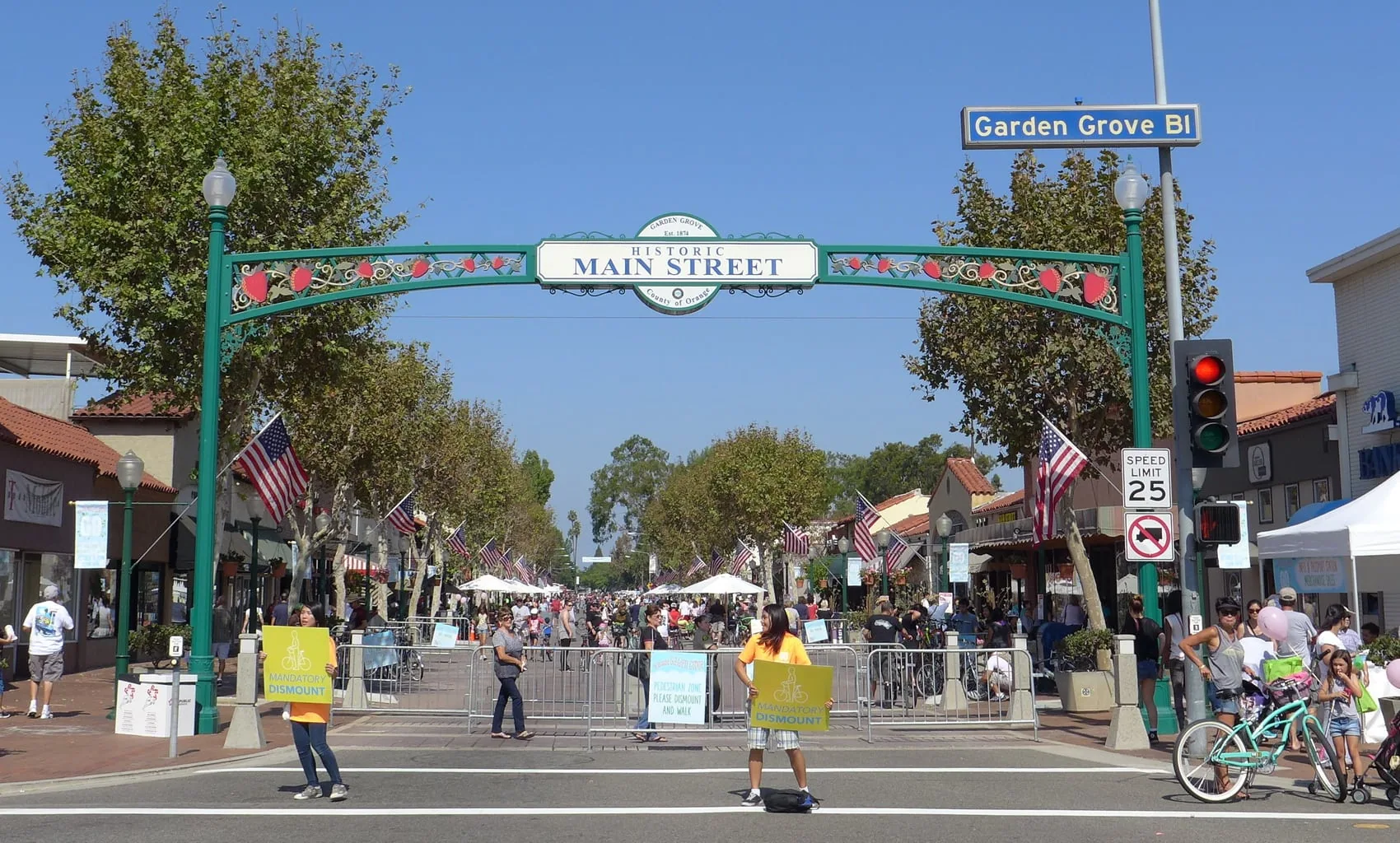
A loose edge termination above a storefront needs a repair that closes the roof without making the street-level business harder to reach. Seal Beach’s Main Street Specific Plan governs the coastal business district and sets commercial and circulation objectives for the area. Main Street serves residents and visitors as a commercial area. Roof access, material staging, storefront routes, and tenant notice belong in the work plan, along with the condition of the membrane and its edge details.
We inspect the building itself, identify its roof assembly from the field and available records, and map each leak report to a roof zone. The report covers seams, drains, curbs, wall flashings, edge metal, and prior patches, with photographs that help the owner find the detail later. We separate immediate water protection from the permanent repair so a business can plan the work and understand what the roof needs before a broader restoration or replacement is considered.
Preserve Storefront Circulation During Roof Work
Before delivery, confirm the approved roof entry, material staging point, ground access, and any walkway or parking area that must remain available. The Main Street plan includes circulation objectives, so the property contact should verify how customers, residents, deliveries, and the crew will move during the work. If a lift or truck uses part of the frontage, identify the time window and notice needed. These details help define the work zone and prevent an access issue from delaying an otherwise ready repair.
For an occupied commercial building, identify the rooms below the roof section, sensitive inventory, and any equipment that must remain in service. If a test opening is planned, agree on interior protection and the secure stop before removing material. A phased reroof schedule can divide the work into sections that can be dried in and closed before the next shift. Keep a contact available to approve additional repairs if removal reveals wet insulation or a damaged deck, and communicate schedule changes before tenant access is affected.
Inspect the Perimeter and Drain Path Together
Water near an exterior wall may come from a failed termination, loose edge metal, an open lap, or a drain problem uphill from the interior mark. We follow the path across the roof and inspect the wall face, counterflashing, seams, equipment curbs, drains, and overflow points. At a low-slope roof, check whether the surface directs water toward the outlet or leaves it standing at a transition. Each image should show the detail and its location relative to a roof plan or fixed feature.
At each storefront, inspect the surface and details that serve that business. Record the membrane, edge, drainage, and past patches, then flag any concealed layer a test needs to resolve. If a hatch is locked or equipment blocks access, identify the zone and arrange an escort or alternate path. Photograph the detail against a fixed roof feature so the site supervisor can locate it without repeating a broad roof walk. A roof inspection should connect that finding to its repair boundary.
Close the Edge Without Losing the Water Route
A perimeter repair has to connect the field membrane to a termination that holds. We check the lap, flashing, fasteners, and substrate, then prepare the surface and extend the repair until it ties into sound material. The written scope should identify the roof zone, materials, preparation, limit, and secure stop. If water has reached insulation or the deck, photograph the open condition and ask the owner to approve a larger scope before adding removal.
For active leakage above a shop or office, we can protect the interior while locating the opening. A commercial leak repair documents the entry point and separates temporary protection from permanent work. If a roof outlet or scupper is blocked, a drainage review checks the entire runoff path, not just the basin. When similar edge failures occur around several roof zones, compare the repair list with a replacement evaluation so the owner can decide whether repeat service or a broader project better fits the condition.
Verify the Surface Before Applying a New Layer
Records, labels, seams, and accessible edges help identify whether a building has TPO, PVC, EPDM, modified bitumen, built-up, metal, or coating. A patch must be compatible with the receiving surface. Where a prior coating or recover has covered the original material, a sample can establish what lies under the surface and whether the planned repair will bond. The scope should specify the repair method at seams, wall transitions, and the finished perimeter, not only the material used across the field.
Coating is suitable only where the existing assembly is stable, dry, and properly drained, with details ready to receive it. It does not correct wet insulation, failed edge metal, or a weak deck. A recover can change roof load and drainage height, so those conditions need review first. A roof restoration assessment can show where the surface is suitable and where removal is required. For a confirmed membrane assembly, compare its properties with a TPO roof system only if replacement is in scope and the building requirements support that choice.
Carry the Repair Record Into the Next Season
At closeout, label the roof zone, edge detail, preparation, materials, and date. Provide a close photograph of the finished termination and a wider view that shows where it sits. Record any drain or flashing condition left for later work and whether the repair began as temporary protection. The owner can store that record with leak reports, roof plans, equipment changes, and warranty documents, making the next inspection easier to direct. For a building serving several tenants, route the completed report to the property contact and note which occupants were affected by the repair window. That keeps future leak calls tied to the right space and detail.
Nearby Santa Ana’s July and August normal average highs are 82.5 and 84.6 degrees. The late-summer window is a practical time to inspect exposed laps and sealants, then clear drains, scuppers, and temporary dry-in before winter rain. A recurring maintenance visit can also verify that the repaired transition still holds after other trades have worked on the roof. An owner with a wider local portfolio can compare the Pacific Coast Highway commercial corridor and West Grove Business District, while keeping each building’s inspection history separate.
Commercial Roofing Questions
How do you schedule work without blocking Main Street storefronts?
We confirm the access route, staging location, deliveries, walkways, parking, and tenant notice with the property contact. The schedule identifies any temporary frontage limits and the secure stop for each workday.
What does a perimeter leak inspection include?
We examine the field membrane, edge metal, termination, flashing, nearby seams, and the drain route. Photographs connect each finding to a roof zone so the repair can be scoped and checked later.
Can you repair a roof edge while the business stays open?
Often, when access, staging, interior protection, and daily closure are coordinated. We define the work area and tell the site contact if concealed conditions change the sequence.
When should an owner consider a coating?
After confirming a dry, stable substrate, secure details, and working drainage. A coating does not resolve wet insulation or an edge failure; those conditions need repair or removal first.
What should I send before you inspect a Main Street property?
A roof plan, leak notes, past repair scopes, warranty records, and circulation or access requirements help us prepare. We verify the assembly and defects in the field before recommending work.

Arrange a Main Street roof walk
Share the property location, roof plan, leak history, and storefront or circulation limits. We will inspect the roof zones, document the edge details, and prepare a practical repair or replacement scope.
Or call 555-555-5555 · [email protected]