
Service Areas · Garden Grove, CA
Commercial Roofing Along Pacific Coast Highway, Seal Beach, CA
Pacific Coast Highway, Seal Beach
Commercial roof repair and inspections for Seal Beach’s Pacific Coast Highway corridor. Coordinate work for shops, restaurants and service properties.
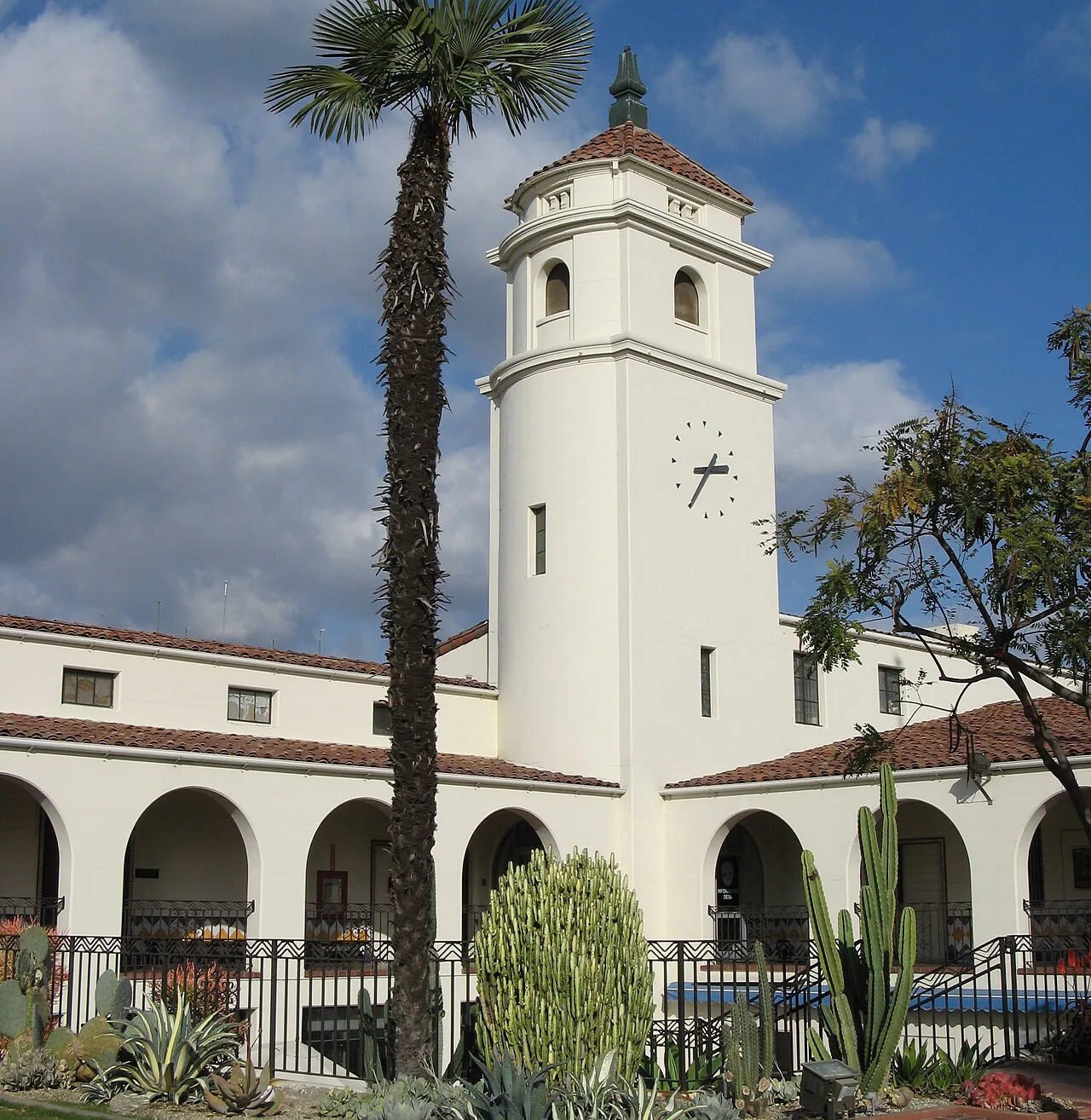
A drain overflow above a restaurant or service shop can leave water at the roof edge and send a repair crew into a busy customer area. Seal Beach’s General Plan identifies Pacific Coast Highway as a service and general commercial corridor with strip development, shopping centers, restaurants, gas stations, and personal services. The highway connects Seal Beach with Long Beach and Huntington Beach. That mix makes staging, delivery timing, and keeping customer routes clear part of a useful roof scope.
We begin at the property: find the leak report, confirm the roof assembly, and inspect the seams, curbs, walls, drains, and previous repairs that could explain the water path. We record the installed roof system, visible condition, and affected zone at each property, then tie recommendations to that building’s inspection so an owner can distinguish a local repair from broader work.
Inspect the Drainage Route Before Blaming the Field
Start by locating the interior mark and checking the roof area above it and uphill from it. A drain restriction, failed lap, curb flashing, or perimeter termination can move water to a different point before it becomes visible. We inspect the drain bowl and outlet, overflow path, field seams, equipment transitions, and edge metal. Record whether water is ponding, where debris has collected, and whether a previous patch changes the surface around the defect.
Commercial uses vary along Pacific Coast Highway, so the route from staging to roof and the space below the work need to be confirmed at each property. For a restaurant, the contact may identify service hours or equipment that cannot be interrupted; a different building may require customer access to remain open. We label photographs by roof zone and note any area that was inaccessible. If a forecourt canopy is included in the owner’s scope, record it as a separate roof area and inspect its edges, supports, and lighting transitions without assuming it shares the main building’s assembly. Note whether canopy lighting or signage stays energized during the repair and who controls that shutdown. A commercial roof inspection should provide a specific finding and a recommended next step, not infer the cause from the property type.
Repair the Failed Detail and Its Receiving Surface
A drain repair must preserve the surrounding membrane and restore a clear transition into the outlet. At a seam, the repair needs to extend to material that is attached and ready for the selected method. At an edge, inspect the termination and metal closure together. The scope should name the work area, preparation, compatible material, tie-in, and stopping point. If an opening shows wet insulation or a weak deck, take photographs and agree on a revised scope before extending removal.
If water is active above food preparation, inventory, or customer space, protect the interior and control the leak while the permanent repair is scoped. For an occupied commercial space, note when the leak appeared, whether it followed rain or rooftop work, and whether the interior mark has changed. Move stock away from the affected area when practical, and give the inspector the room or suite location plus any recent service history. Mark that area on a basic roof plan, then compare it with drains, curbs, and seams uphill. This intake record helps the owner prioritize immediate protection and gives the repair scope a clear starting point. Our commercial leak repair can document the confirmed entry detail and any temporary cover. A blocked scupper or drain needs a drainage repair that addresses both the outlet and the route leading to it. When repairs recur in multiple roof zones, compare the repair plan with a replacement assessment before another patch is priced as the complete solution.
Stage Work Clear of Customer and Delivery Routes
Before mobilization, identify roof access, fall-protection points, material staging, any required lift, and the path materials will travel. Pacific Coast Highway connects several cities, and traffic on the route makes delivery timing something to confirm for the individual property. The plan should also identify customer entrances, parking, service doors, and hours when a noisy task or equipment shutdown would interrupt normal work. Set those details with the person responsible for the property.
For a multi-day repair, open only the roof section that can be dried in and secured before the crew leaves. Define who can approve extra work if concealed conditions appear and how tenants will learn about a schedule change. A phased reroof plan can sequence work around occupied areas and deliveries. If temporary protection is needed, record its limits and the permanent repair that remains. Keep the ground route usable at shift close and make sure the roof exit is clear of loose material or equipment.
Match Materials to the Assembly at the Site
Do not choose a repair product from the corridor’s building types or the color of a roof surface. Review the roof plan, prior service records, labels, seams, edge metal, and any existing coating. TPO, PVC, EPDM, modified bitumen, built-up, metal, and spray foam require different preparation and tie-ins. If a recover hides the original membrane or prior patches use incompatible products, test the receiving surface before a large repair is specified.
A coating or recover has its own checks: confirm substrate condition, moisture, drainage, attachment, and whether each detail can be prepared. A coating will not correct wet insulation or a loose edge. Recover work also needs review of added load and drainage height. If several sections have recurring failures, a maintenance record can help identify their history, while replacement should be scoped from the current assembly. For a confirmed single-ply roof, an EPDM system is one material option to compare with the installed roof and the building’s needs.
Plan Drain and Edge Checks Before Winter Rain
Nearby Santa Ana monthly normals show no measurable precipitation in August, 3.16 inches in February, and 2.88 in January. Before the wetter months, clear outlets and check temporary covers; schedule any roof opening around the current forecast and a confirmed dry-in plan.
During maintenance, inspect the drain bowl, overflow path, edge metal, penetrations, and repair laps. After a high-wind or rain event, document displaced metal or debris before selecting a repair material. During that walk, confirm the installed surface, fastener condition, and edge details before choosing repair materials. The Main Street Business District has its own coastal commercial plan, while the West Grove Business District borders Seal Beach. Keep each site’s photos, access notes, and repair history attached to its inspected roof.
Commercial Roofing Questions
Which Pacific Coast Highway properties are included in the commercial corridor?
The General Plan describes strip development, shopping centers, restaurants, gas stations, and personal services. We confirm the individual property and roof access before preparing a scope.
Can a blocked drain be the entry point of a roof leak?
It can contribute to water being held at a roof detail. We inspect the bowl, outlet, overflow path, and nearby membrane before deciding whether drainage work, a membrane repair, or both are needed.
How do you schedule a repair near active customers?
We coordinate staging, deliveries, parking, entrances, noise, and any equipment shutdown with the property contact. The plan names the daily work area and how it will be secured.
Does the corridor’s property mix determine the roof system?
No. Roof material is established from records and field details at the building. We verify seams, markings, edges, and prior repairs before choosing a patch or replacement assembly.
What should be checked after winter rain?
Inspect drains, overflow routes, edge metal, exposed laps, and any temporary repair. Record new interior reports by room and date, then compare them with the roof-zone plan.
Arrange a Pacific Coast Highway roof inspection
Share the property location, roof plan, leak history, and customer or delivery constraints. We will inspect the roof zones and prepare a repair or replacement scope based on observed conditions.
Or call 555-555-5555 · [email protected]