
Roof Systems · Garden Grove, CA
Commercial Spray Polyurethane Foam Roofing in Garden Grove, CA
Commercial Spray Polyurethane Foam Roofing
Commercial SPF roofing in Garden Grove, CA inspects foam profile, moisture, coating wear, drainage, overspray controls, and repair options.
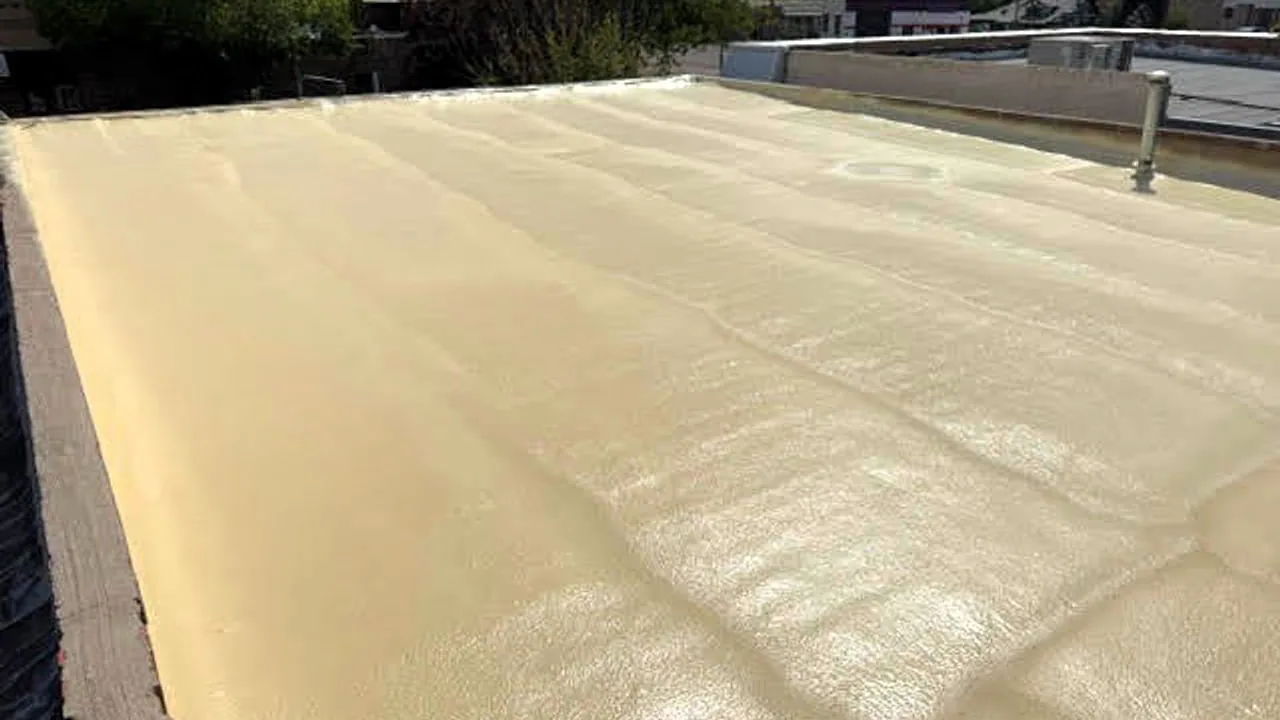
Spray polyurethane foam roofing creates a continuous insulation and drainage surface when the substrate, foam profile, and protective coating are prepared as a coordinated system. Before proposing SPF work in Garden Grove Boulevard Corridor, we inspect the existing roof, check for moisture, and identify areas where the foam or coating has separated. The scope states whether the project involves localized repair, removal and replacement of foam, or restoration of a suitable assembly. A coating cannot correct wet insulation or a moving substrate, so we establish the repair boundary before new material is applied.
The owner should know which areas will be cleaned, repaired, recoated, or opened for testing. We document drainage, penetrations, equipment supports, and transitions to other roof types. The selected product requirements determine preparation, application conditions, and the protective finish. If the existing roof is not a sound base, the proposal explains what needs removal or what alternate assembly should be considered. That keeps a restoration decision tied to field condition rather than appearance alone.
Map Foam Thickness, Moisture, and Coating Wear
We inspect the protective coating for erosion, cracks, blisters, ponded areas, open seams, and exposed foam. The foam surface needs review for soft spots, crushing, delamination, and water intrusion around drains and penetrations. A test cut or core sample can help confirm thickness and reveal concealed moisture where the result changes the work scope. We photograph the sample point and restore the test cut with products approved for the existing assembly. The inspection distinguishes coating wear from deterioration within the foam so the owner can compare a maintenance treatment with a more extensive repair.
The Garden Grove Boulevard Corridor includes planned commercial, office, and residential development, so roof access may sit above active tenants or occupied areas. The Harbor Boulevard Corridor is a major commercial axis with distinct commercial, office-professional, and transition districts. Each property still needs its own access and equipment review. A site walk maps coating loss, while infrared scanning helps choose targeted openings when the assembly is concealed.
Repair the Foam Before Renewing the Surface
Loose coating and damaged foam are removed until the remaining material is firm, dry, and suitable for the selected repair. We shape the foam transition to avoid abrupt ridges that collect water, then apply compatible foam or repair material in controlled lifts as required by the product. The coating must extend beyond the prepared boundary far enough to create the specified tie-in. We protect drains and equipment from overspray and keep the repair edge visible for inspection. If moisture reaches the deck or insulation below, that material requires a separate correction.
Repeated coating cracks may point to movement, inadequate slope, or an unresolved transition. A roof restoration scope evaluates the surface and details together. If the foam is wet or detached over broad areas, a replacement plan may provide a more reliable repair boundary. We compare costs only after the owner can see which material remains and what work each option includes.
Coordinate Foam Profile, Coating, and Drainage
The specification identifies foam type, target profile, coating product, application rate, reinforcement at details, and repair method. It should also explain how the coating turns up at walls and penetrations and how drains remain accessible after application. Foam is built in passes that create the intended shape; crews check thickness at representative points and correct hollows or abrupt transitions before top coating. Product instructions govern cure, recoat window, weather limits, and surface preparation. The closeout records the materials and measured locations required by the project.
SPF has a different construction from a silicone roof coating applied over an existing surface or an acrylic coating system. Those products are not substitutes for repairing foam that has separated or become wet. A TPO membrane is another assembly with seams and flashing details designed for that material. We match the proposed work to substrate condition, drainage, and the approved roof design rather than selecting a coating by color or reflectivity alone.
Surface preparation is a separate step from foam application. We remove loose coating and dust, protect equipment and drains, and confirm the remaining coating is firmly attached before bonding a new layer. Representative measurements help show whether the foam profile follows the intended slope; low points that hold water are reviewed before recoating. At a curb, pipe, or wall edge, reinforcement and coating need to continue onto a stable detail rather than stop at a thin feathered edge. The crew records the product batch and application area so later touch-ups can be matched to the installed system. If the surface is not ready, work pauses for additional cleaning or repair.
Control Overspray, Cure Time, and Occupied-Site Access
SPF application needs a clear work zone because wind can carry material beyond the roof area. We identify sensitive equipment, air intakes, vehicles, and neighboring surfaces that need protection before spraying starts. The property contact approves access and any temporary shutdowns. Crews sequence foam and coating so the surface reaches the required condition before the next pass, and work stops if moisture, temperature, or wind falls outside product limits. Open areas are protected at the end of the shift.
For an occupied building, the work plan names a contact for access changes, odor or ventilation questions, and protection concerns. An occupied-building sequence separates contractor routes from tenant access. A drain detail check keeps outlets clear while foam changes the roof profile. Where rooftop equipment serves mixed-use properties along Garden Grove Boulevard, we coordinate service access before coating around curbs or condensate lines.
Record the Repaired Areas and Recoat Plan
At handoff, we check coating continuity, foam transitions, drain areas, penetrations, and edge terminations. Photographs mark repairs, test openings, and any substrate conditions that were not part of the work. The owner receives the product information, application records, and inspection locations specified for the project. If a roof section remains outside the repaired area, the closeout identifies that boundary rather than describing the entire assembly as restored.
Maintenance can track coating wear, debris, ponding, open detail edges, and damage from later equipment work. A maintenance program records those changes and schedules follow-up before exposed foam expands. If a leak returns, a repair assessment should verify whether the water entered at a transition, coating defect, or separate roof section. The foam and coating records help the next crew choose compatible repair products and locate the original test areas.
Commercial Roofing Questions
Can new coating be sprayed over any existing SPF roof?
No. We first check whether the existing coating is attached, whether the foam is dry and stable, and whether repairs can provide a compatible base. Wet, loose, or crushed sections need correction before recoating.
How do you check foam thickness?
The project may use representative measurements or controlled test cuts to compare the installed foam with the specification. We record the test locations and repair each opening with compatible materials before the coating closes the surface.
What causes exposed foam on an SPF roof?
Protective coating can wear, crack, or separate at details, leaving foam vulnerable to weather and water. We inspect the coating and foam together because surface appearance alone does not show whether moisture has reached the roof layers below.
Can an SPF roof be repaired around rooftop equipment?
Yes, when the surrounding foam is sound and the detail can be prepared. We protect the unit and air intakes, repair the foam profile, and tie the coating into compatible material. The plan should preserve service access and drain flow.
Check the foam before renewing its coating
Share roof plans, coating history, and maintenance records. We will map the affected areas and confirm whether the foam and substrate can support repair or restoration.
Or call 555-555-5555 · [email protected]